สารานุกรมวัตถุดิบ
ตรวจสอบลักษณะของวัตถุดิบและวิธีการใช้งานในอาหาร.
고추장
8
9
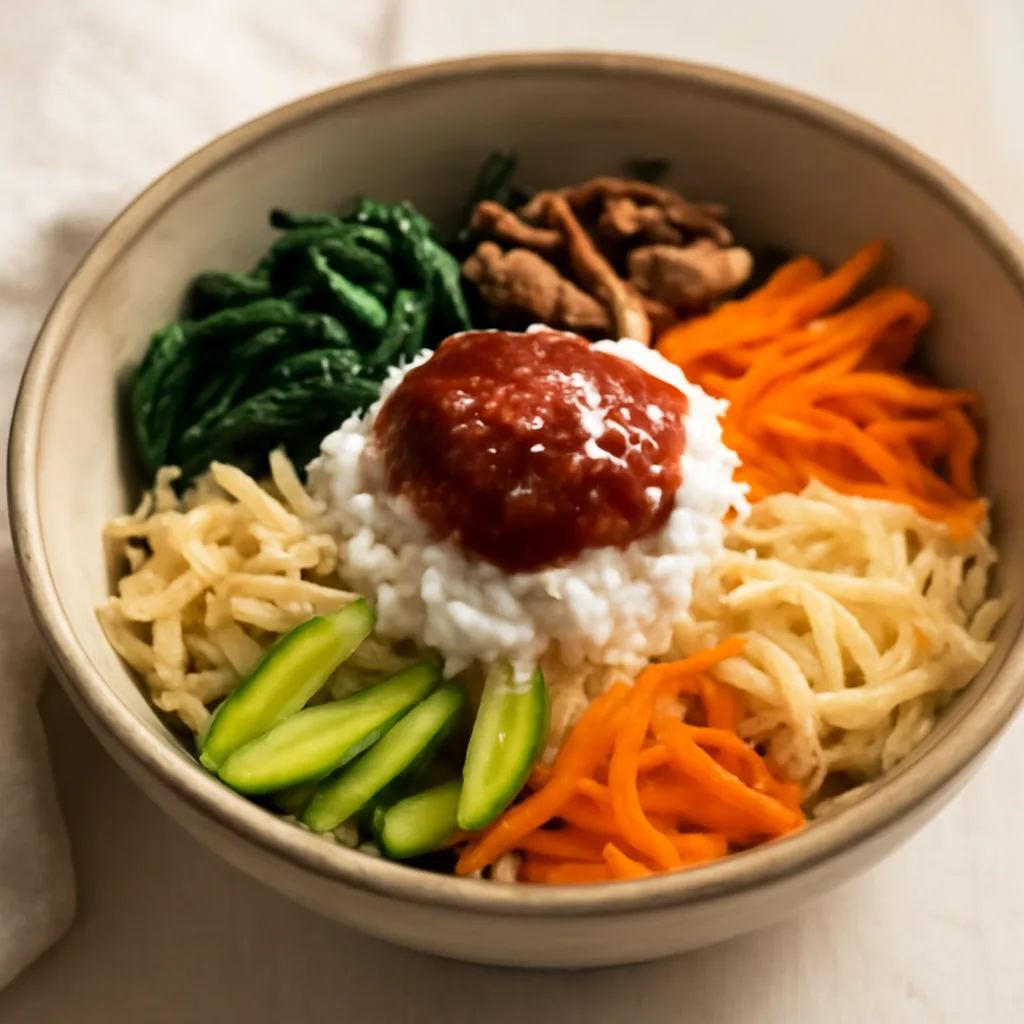
Gochujang is a thick Korean-style seasoned paste made from chili pepper powder with sweetness, saltiness, and depth from fermentation. A single spoonful creates the red color and the sweet-spicy core flavor, so it’s widely used in stir-fries, braises, stews, and bibim sauces. The viscosity, spiciness, and sweetness vary by product. When first making a seasoning, it’s safer to start with only part of the gochujang rather than adding all at once, then adjust saltiness and consistency with soy sauce, salt, water, or broth. For products with pronounced sweetness, it may feel heavy in light broths, so start with small amounts. Rather than eating it straight, dissolve it by mixing with sesame oil, vinegar, minced garlic, soy sauce, and water to distribute the flavor evenly. Especially for bibimbap sauces or vegetable namul, it adds sourness and a nutty oil to balance the heavy-salty taste.
รสชาติและเนื้อสัมผัส
The spiciness is layered with saltiness and sweetness, and a savory, earthy umami from fermentation appears. The heat tends to linger with the sweetness rather than signaling the mouth quickly, and the intensity can vary from quite mild to strong depending on the product. Texture is thick and viscous, sticking well to the surface of ingredients. If you mix with watery ingredients, the seasoning may thin, so in stir-fries or namul, first manage the moisture of the ingredients for a clearer taste.
วิธีการใช้งานหลัก
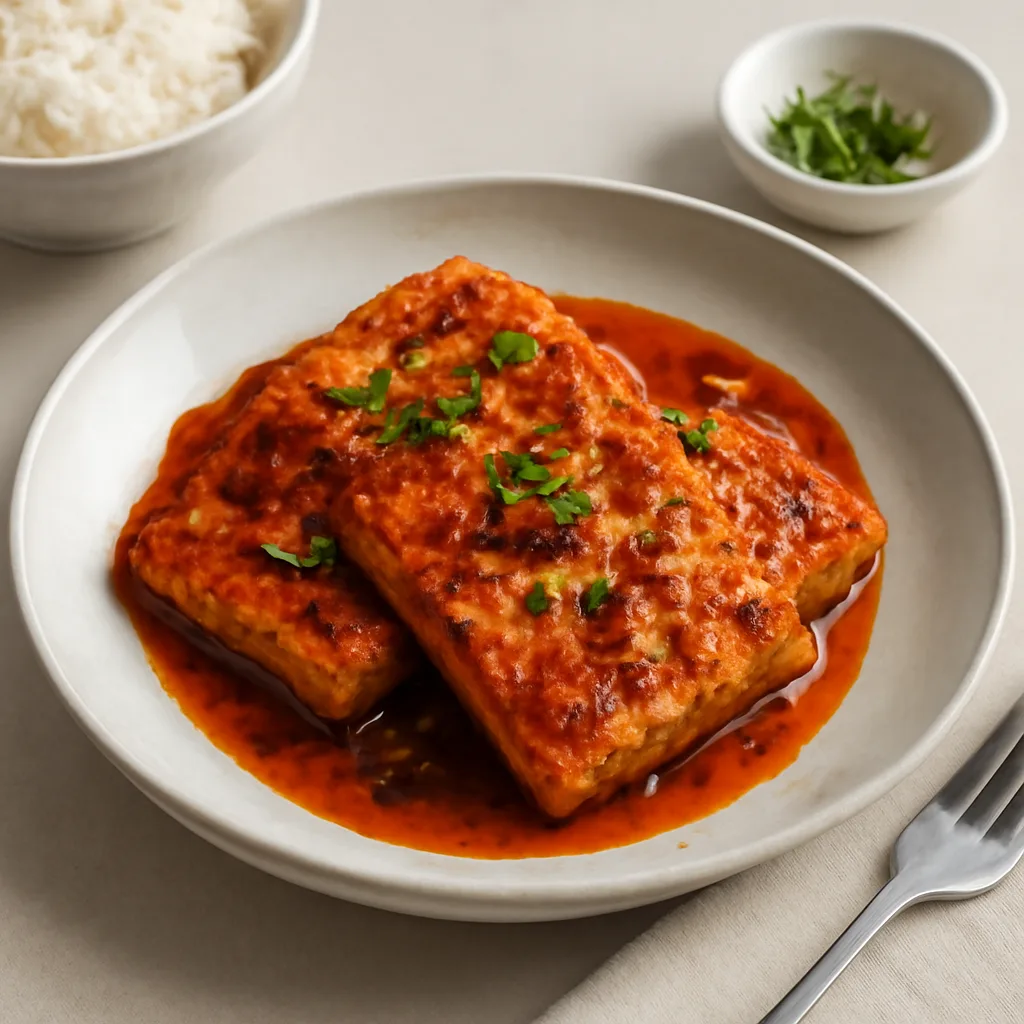
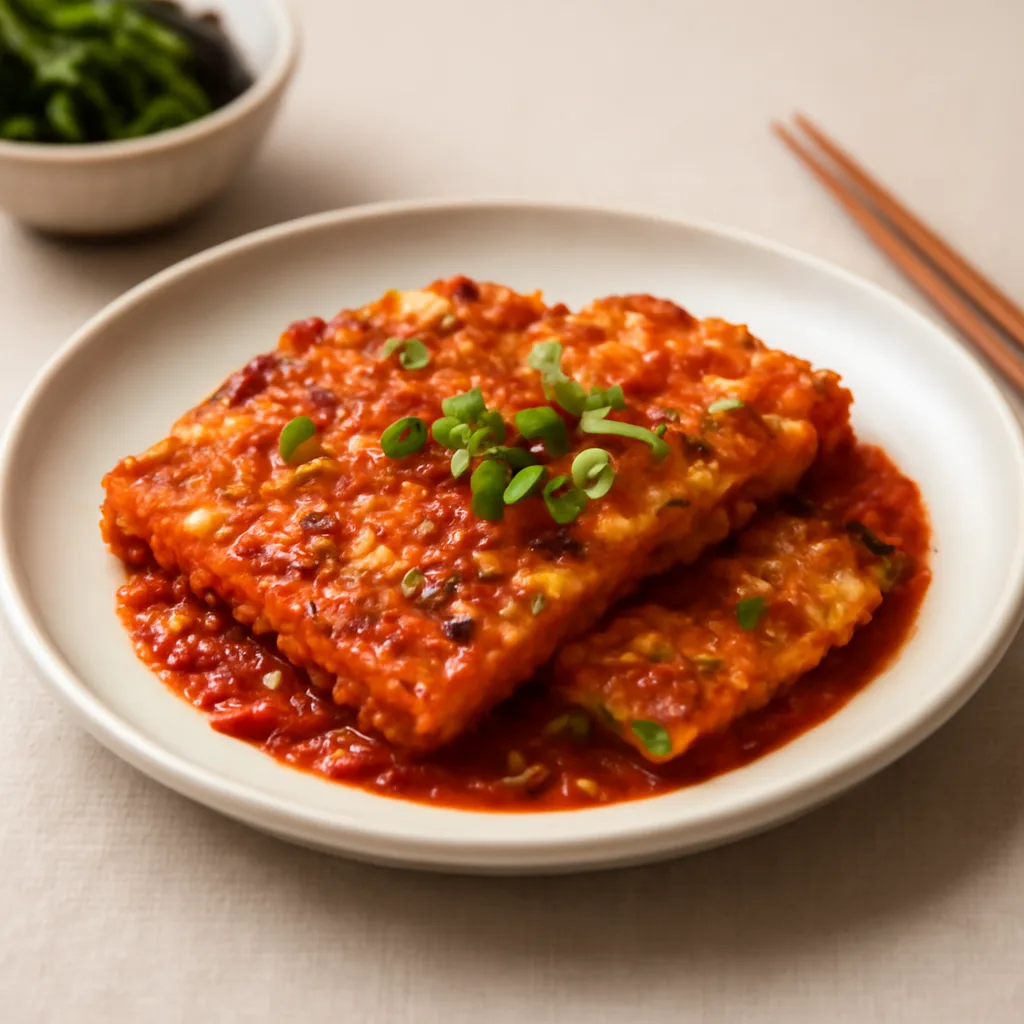
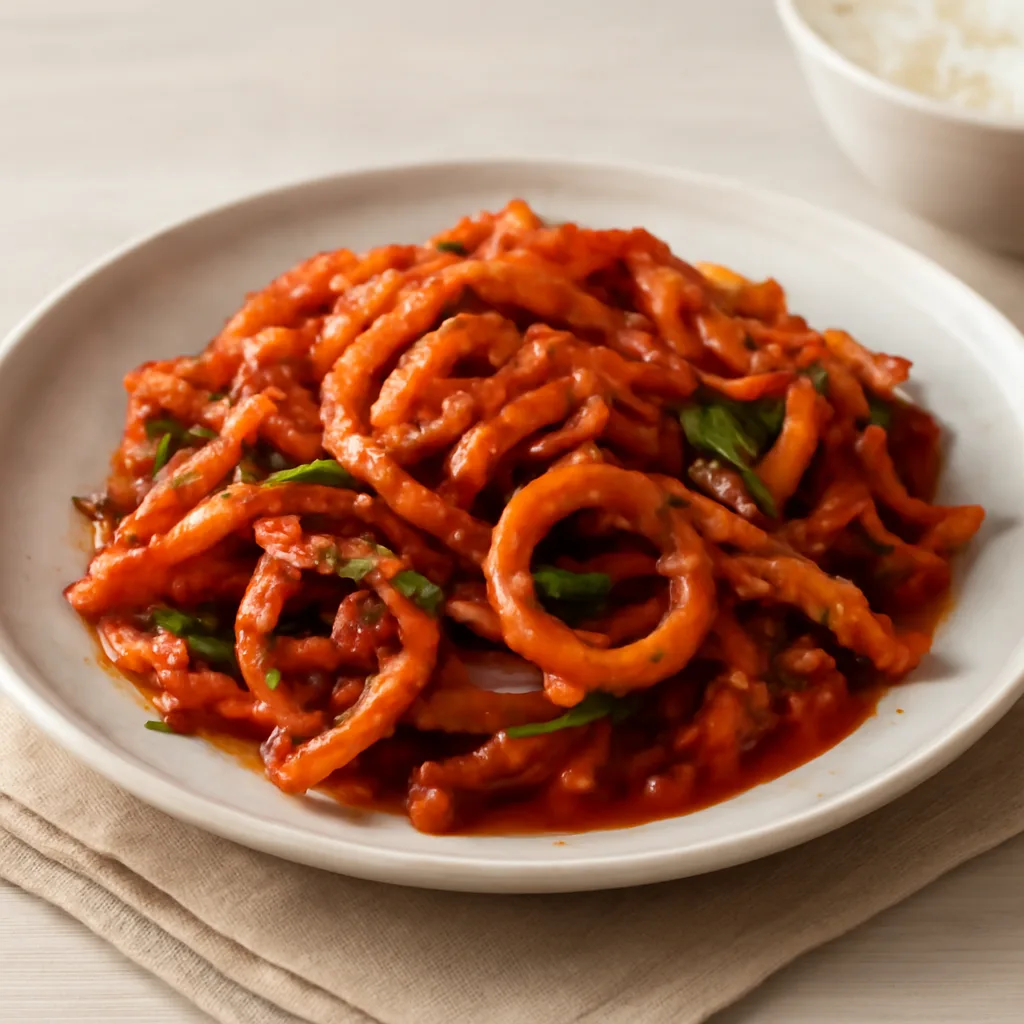
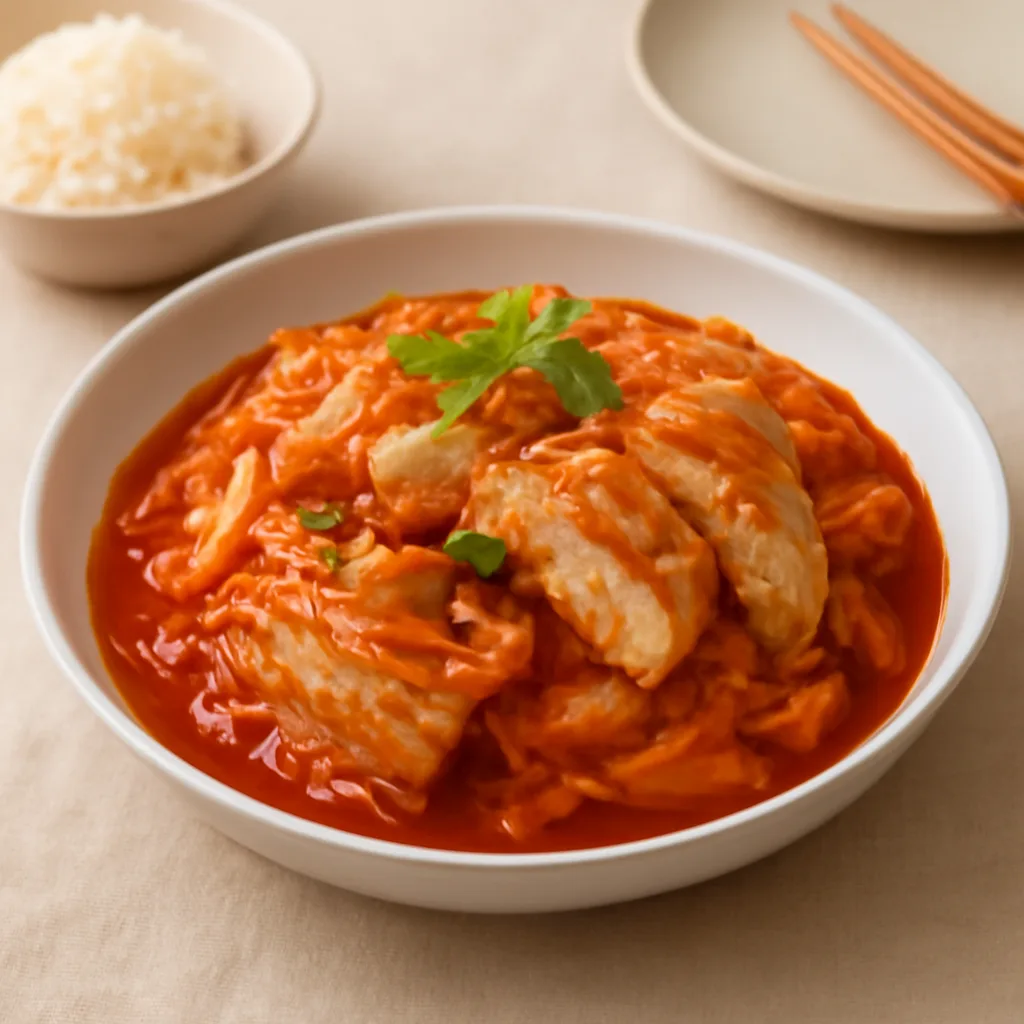
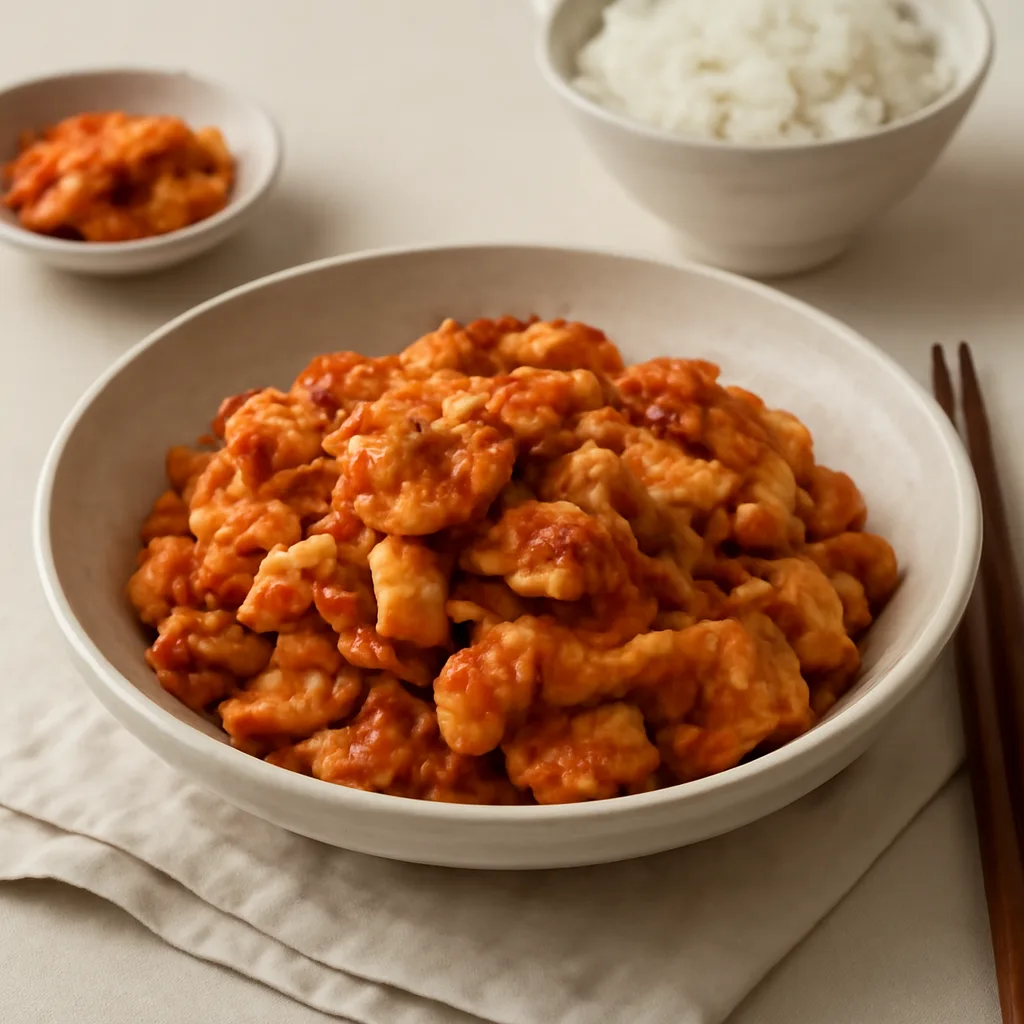
- When stir-frying pork, chicken, tofu, or mushrooms, use gochujang as the central seasoning to add red color and a spicy-sweet flavor. When marinating meat, it’s common to combine with soy sauce or garlic to balance the saltiness and aroma.
- In stews or noodle soups, add a small amount with gochugaru to bring spiciness and depth. If you add too much gochujang by itself, the broth may feel cloudy and sweet, so for a clear, sharp broth, increase the proportion of gochugaru.
- For bibimbap, bibim-guksu, and vegetable namul, use a dressing mixed with vinegar and sesame oil. If sourness is lacking, flavor may feel flat, so adjust with a touch of acidity just before finishing.
- For tteokbokki or braised dishes, it creates gloss and viscosity with starchy ingredients. If the sauce thickens too quickly during cooking, supplement with water or broth.
เคล็ดลับการเตรียมอาหาร
- Before use, scoop with a clean spoon to measure the amount needed, making it easier to match the sauce’s concentration and seasoning. If it’s thick and hard to dissolve, first blend a little water, broth, soy sauce, or vinegar to smooth it, then add to the ingredients.
- For stir-fry seasonings, mix gochujang with minced garlic, soy sauce, a touch of sweetness, and water to reduce the chance of scorching in one spot on the pan. If the sauce is too thick, thin it to a pourable consistency so it coats rather than clumps.
- When using moisture-rich vegetables like cucumber or lettuce for namul, salt and lightly remove moisture or season just before serving. If water comes out as time passes, the gochujang flavor will dilute, so avoid over-seasoning from the start.
- Because the saltiness and sweetness vary by brand, taste the seasoning before adding other salty ingredients. If it’s already salty, balance with water, acidity, or aromatics rather than adding more soy sauce.
ลักษณะเมื่อปรุงอาหาร
- Overheating in a pan can cause the sugars in gochujang to stick to the bottom and give a burnt, bitter taste. Fry aromatics in oil first, then lower to medium-low heat and add the seasoning, or cook with a mixture of water to reduce risk.
- When heated, the distinctive sharp fermented aroma softens and the sweetness and nutty aroma may become more pronounced. Therefore, for braising with a product already high in sweetness, avoid adding a lot of sugar or corn syrup from the start, and adjust after reducing the sauce if needed.
- When it comes into contact with moisture, it spreads as a sauce, but if simmered for a long time, viscosity increases quickly and sticks thickly to ingredients. For glossy braising, finish by adjusting the concentration, and for soups, add water during simmering to maintain the consistency.
- Acidity pairs well, but if vinegar is boiled for too long early on, its brightness can fade. If a bright finish is important, add vinegar or lemon juice after turning off the heat.
การจับคู่ที่เข้ากันได้ดี
- Sesame oil, sesame seeds, garlic, and scallions naturally complement the nutty, spicy flavor of gochujang and suit bibim and stir-fry seasonings.
- If you add a little soy sauce or doenjang, the saltiness and earthiness broaden, but both are salty, so reduce gochujang gradually and adjust.
- Ingredients with moisture and gentle sweetness like pear, apple, or onion can make the meat seasoning feel smoother and round. Too much sweetness with strongly sweet gochujang can taste overly sweet, so with fruit or sugary elements, adjust accordingly.
- Acid like vinegar, lemon juice, or pickled vegetables helps balance the weight of meat or chewy dishes like tteokbokki.
ข้อควรพิจารณาเมื่อใช้แทนที่
- Substitutes vary depending on whether the goal is spiciness, red color, or the unique sweet-salty fermented flavor of gochujang. There is rarely a single substitute that reproduces the exact taste and consistency.
- Mix a little miso or doenjang into chili powder, then add soy sauce and a small amount of sugar to approximate the direction for stir-fry or braise. This blend can be thinner or rougher in texture than gochujang, so reduce water and adjust as you taste.
- Chili paste without fermentation can supplement spiciness but may differ greatly in sweetness and fermented flavor. For dishes where gochujang is the main flavor like bibimbap, small amounts of vinegar, sweeteners, and miso-family ingredients can still yield different results.
- If you want to reduce spiciness, reduce gochujang and balance with miso or soy sauce, adding only a tiny amount of chili powder to adjust color. However, for dishes like tteokbokki where gochujang forms the sauce’s consistency and flavor, it’s better to adjust by simmering to match thickness and sweetness rather than fixing a substitution ratio.
วัตถุดิบที่มักใช้ร่วมกันในอาหารจริง
สถิติจากจำนวนการปรากฏของวัตถุดิบหลักในอาหารที่เปิดเผยใน CookPagoda.
อาหารที่ใช้วัตถุดิบนี้
แสดงอาหารที่มีวัตถุดิบนี้เป็นวัตถุดิบหลักใน CookPagoda ตามลำดับการเข้าชม.