สารานุกรมวัตถุดิบ
ตรวจสอบลักษณะของวัตถุดิบและวิธีการใช้งานในอาหาร.
된장
1
3
Doenjang is a Korean fermented bean paste made from soybeans, widely used to add deep umami and savory saltiness to soups and stews. It can form the core flavor of a soybean paste stew and, in small amounts, provide the backbone of flavor in seasoned side dishes like namul, ssamjang, and dipping sauces. Because saltiness, bean particle texture, and fermentation aroma vary by product, start with a small amount, dissolve it in broth to taste, and adjust. If you want a clear, clean broth, dissolve it in a strainer; if you want the rustic texture and richer flavor from the bean particles, add it as is. Doenjang is not only a seasoning that adds saltiness; it supports the sweetness and fattiness of ingredients. However, its strong aroma can overpower delicate white fish or clear vegetable broths if used in excess.
รสชาติและเนื้อสัมผัส
Salty and earthy, with a deep bean aroma and rich savoriness from fermentation. Depending on the product, sweetness, a slightly astringent finish, and fermentation strength may vary. It is usually a thick paste form, often with some bean particles remaining. When fully dissolved in broth, it yields a cloudy, deep flavor; leaving particles gives a more rustic and thicker mouthfeel.
วิธีการใช้งานหลัก
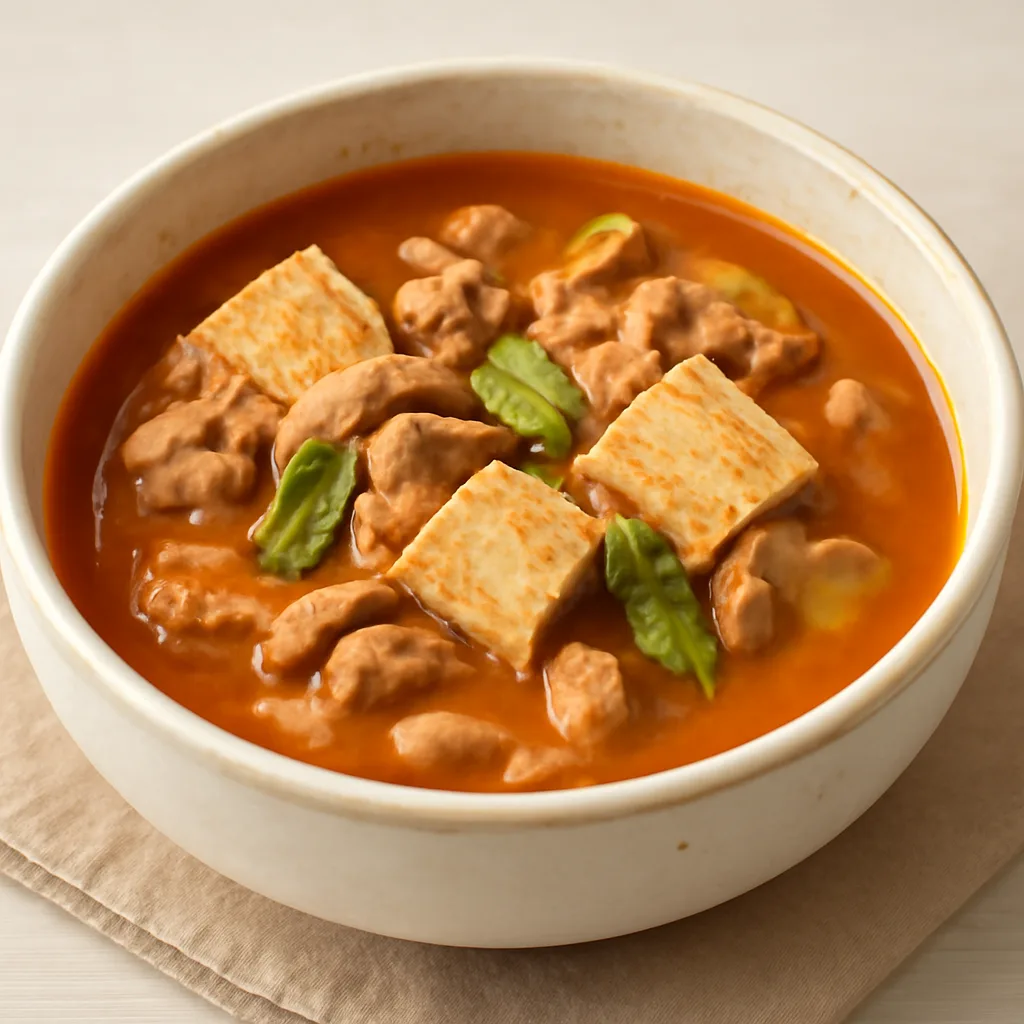
- Dissolve in doenjang jjigae (soybean paste stew) and doenjang-guk to add a savory base to tofu, zucchini, potatoes, mushrooms, and shellfish.
- When preparing namul dishes like spinach or siler (neuro...) with sesame oil and minced garlic, use a small amount to create a bright aromatic seasoning.
- Mix with gochujang, gochugaru, garlic, and sesame oil to make ssamjang or dipping sauces for vegetables and grilled foods.
- In fried or braised dishes with pork, beef, or mushrooms, add a small amount to deepen flavor. Caution: too much soy sauce along with it will raise overall saltiness quickly.
เคล็ดลับการเตรียมอาหาร
- Instead of adding chunks of doenjang, dissolve it by scooping out a little broth or water first to reduce clumping and make seasoning even.
- For soups or stews, start by dissolving about half of the doenjang, taste after ingredients are cooked, and add more if the broth is saltier than expected. If broth is saltier than anticipated, add water or unsalted stock, and consider the saltiness from ingredients as well before adding more doenjang.
- To remove bean particles or skins in clear broths, rub the doenjang through a fine sieve with water. Conversely, in thick stews where a rich texture is desired, you may skip sieving.
- For namul, avoid adding too much doenjang at once, which can draw out moisture and dull color; start with a small amount for a handful of vegetables, and add more only as needed.
ลักษณะเมื่อปรุงอาหาร
- Doenjang dissolves in water, adding cloudiness and a rich flavor to the broth. While simmering, its aroma spreads through the broth, but prolonged vigorous boiling can make saltiness and heavy flavors more pronounced than fresh fermented aroma.
- In stews, it’s okay to add early with ingredients, but if you want to elevate aroma, you can dissolve some toward the end and add just before finishing.
- When paired with fatty pork or brisket, it helps suppress greasiness and intensify flavor. However, using too much oil and doenjang together can make the broth feel heavy, so leaning toward more water or vegetables is better.
- You can toast doenjang over high heat to release aroma, but in low-water conditions it sticks to the bottom easily. When a nutty aroma rises, immediately add water or stock to prevent burning.
การจับคู่ที่เข้ากันได้ดี
- Mild-tasting ingredients like tofu, zucchini, potatoes, onions, mushrooms, and radish naturally absorb the saltiness and earthiness of doenjang.
- Garlic, green onion, chili, and chili powder enhance the fermentation aroma; sesame oil and sesame seeds add nuttiness to salads or ssamjang.
- Seafood like clams or shrimp, or pork, pair well with doenjang for deep flavors. If seafood is already salty, start with less doenjang.
- Adding vegetables with natural sweetness like radish, onion, or zucchini to doenjang soups or stews can soften the saltiness without added sugar.
ข้อควรพิจารณาเมื่อใช้แทนที่
- If no doenjang is available, miso is the closest alternative, but usually softer in taste and texture, and saltiness varies by product. Dissolve gradually and adjust with soy sauce or salt as needed.
- In ssamjang or seasoned sauces, adding more gochujang, minced garlic, and sesame oil to miso can create a similar thick, savory paste, but it won’t have the same coarse bean aroma as doenjang.
- Replacing doenjang entirely with soy sauce will provide saltiness but lacks the cloudy texture and earthy savoriness of doenjang. If clarity is needed for certain soups, switching to soy sauce is possible.
- If the dish core relies on strong fermentation aroma, using doenjang tends to yield more stable results; particularly for dishes like doenjangjjigae, a one-to-one substitution is difficult.
วัตถุดิบที่มักใช้ร่วมกันในอาหารจริง
สถิติจากจำนวนการปรากฏของวัตถุดิบหลักในอาหารที่เปิดเผยใน CookPagoda.
อาหารที่ใช้วัตถุดิบนี้
แสดงอาหารที่มีวัตถุดิบนี้เป็นวัตถุดิบหลักใน CookPagoda ตามลำดับการเข้าชม.