Zutaten-Enzyklopädie
Überprüfen Sie die Eigenschaften der Zutaten und wie sie in der Küche verwendet werden.
TK-Mandu
1
1
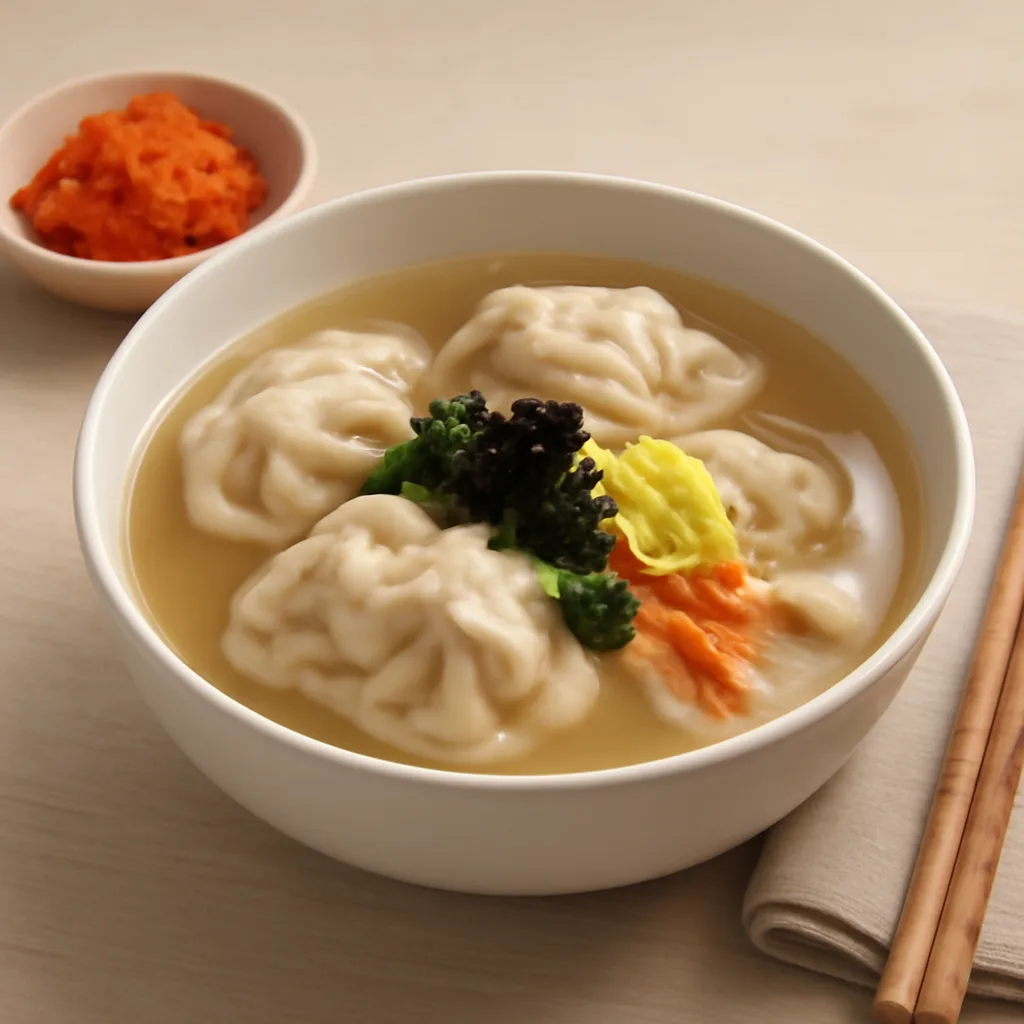
Frozen dumplings are convenient ingredients with the filling and wrapper shaped and flash-frozen, suitable for steaming, pan-frying, boiling, or in soups. Each product varies in filling and wrapper thickness, so cooking time and saltiness may differ. If a crispy gyoza texture is desired, pan-fry and add water to finish cooking through, then finish by drying moisture. For soups or hot pots, you can add them without defrosting, but if boiled too long the filling may burst or break, so add near the end when the broth is almost finished. Each bite-size is convenient for side dishes or snacks, while larger dumplings can be the main meal or centerpiece of dumpling soup. Since many fillings are already seasoned, adjust sauce and broth after adding the dumplings to avoid over-salting.
Geschmack und Textur
Flavor varies with filling weight, but typically a savory inner filling contrasted with a plain wheat wrapper is characteristic. Kimchi dumplings can have a refreshing, mildly spicy note, while meat dumplings offer a rich, nutty flavor. The wrapper becomes soft and chewy when steamed, and the bottom becomes thin and crispy when pan-fried. If boiled in water for too long or left in broth, the wrapper can swell and tear easily.
Hauptverwendungszweck
- Pan-fried frozen dumplings pair well with a simple dipping sauce made from soy sauce, vinegar, and chili pepper flakes. When the bottom browns, add water and steam to create a contrast between the exterior and interior texture.
- For dumpling soup, rice cake dumpling soup, or hot pot, add dumplings when the broth is boiling and cook until the filling floats and becomes slightly translucent. If the dumplings are heavily seasoned, start with less salt or soy sauce in the broth.
- Steamed dumplings are easy for breakfast or a light meal, and pairing with vegetables or a clear soup can balance the flavors. A microwave can be used instead of a steamer, but the wrapper tends to dry out, so lightly moisten the surface or cover it.
- Air fryer cooking can reduce oil while making the surface crispy. For dumplings with thick wrappers, the outside may dry first, so check mid-way andAdd a brief extra heating if needed.
Vorbereitungstipps
- Most frozen dumplings are cooked without defrosting to prevent the wrappers from becoming soggy or sticking together. If the package provides a separate method, follow that first.
- Dust off the surface of the dumplings if there is a thick layer of frost before pan cooking. Melting ice can cause splatter if it touches oil, and a rapid drop in pan temperature may prevent a crispy bottom.
- When making gyoza, place dumplings with space in a wide pan. If packed too tightly, steam cannot escape and they will steam more than fry, and if the bottom color is light, finish by lifting the lid to evaporate excess moisture.
- If dumplings stick together in broth, do not forcibly tear them apart. If the wrappers split, gently add them to boiling water or broth to minimize leakage.
Besonderheiten beim Kochen
- In frozen state, initially the pan is heated, so rather than fast frying on high heat, a medium heat to form the bottom color and then adding water to cook through is more stable. If the exterior darkens quickly while the interior feels cold, lower the heat and cover to increase steaming time.
- When steaming or boiling, the filling swells and the edges become flexible as heating progresses. If the filling becomes too soft or the broth becomes cloudy and dumplings burst more often, reduce a vigorous boil and shorten cooking time.
- The water in the pan steams while heating the filling, but if oil is added while water remains, splattering can occur. For a crispy finish, once most of the moisture has evaporated, uncover and evaporate remaining moisture, then finish with a small amount of oil.
- In an air fryer or oven, dry heat can cause the surface to color quickly. If the wrapper is already firm and the interior is not fully heated, lower the temperature a bit and divide the time to cook further.
Gut passende Kombinationen
- For meat dumplings, a soy sauce with a touch of vinegar works well, and kimchi dumplings pair nicely with a soy sauce that isn’t too sweet. If the dumplings are heavily seasoned, keep the sauce light and more acidic for balance.
- In a clear dumpling soup, add scallions, egg, and sesame for aroma and light texture that won’t overpower the filling. For richer hot pots, mushrooms, tofu, and napa cabbage that absorb broth are good, but adding dumplings too early can cause the wrappers to swell.
- Crisp fried dumplings pair well with crunchy cucumber side dishes, cabbage salad, and pickled vegetables for a refreshing contrast. Heavy sauces like cream sauces can be used, but be mindful that they may feel too rich when paired with fatty meat dumplings.
Hinweise zum Ersetzen
- If frozen dumplings are unavailable, fresh dumplings can be used for dumpling soup or hot pot, but wrappers with thin skins cook quickly and are prone to bursting, so add them just before the broth is finished.
- For pan-fried purposes, frozen products like spring rolls, potstickers, or small pies with wrapped fillings can commonly substitute, but the filling seasonings and wrapper thickness vary, so applying the same amount of water and cooking time is not always possible.
- If the filling’s meat or vegetables contribute most of the appetite and starch, substitute with rice cake, sujebi, or noodles in the broth. However, the dumpling filling’s meat and vegetable flavors cannot be fully replaced, so if needed, add minced meat, tofu, or vegetables separately to fill the flavor gap.
Zutaten, die häufig zusammen in echten Gerichten verwendet werden
Basierend auf der Häufigkeit der gleichzeitigen Verwendung von Hauptzutaten in den bei CookPagoda registrierten öffentlichen Gerichten.
Gerichte, in denen diese Zutat verwendet wird
Wir zeigen Ihnen die Gerichte, in denen diese Zutat als Hauptzutat enthalten ist, nach Aufrufzahlen sortiert.