Zutaten-Enzyklopädie
Überprüfen Sie die Eigenschaften der Zutaten und wie sie in der Küche verwendet werden.
Bok Choy
2
4
Korean original detected. Translated content follows.
Geschmack und Textur
The flavor is relatively mild; not overly grassy, with subtle sweetness and a slight bitter note. White stalks are crisp and moist, and the leaves become tender quickly when heated. It takes well to bold seasonings like garlic, ginger, and soy sauce, but cooking too long with strong seasonings can mute the fresh brightness of the choy sum. If you want to preserve the crisp chew of the stalks, use quick stir-frying or a brief blanch.
Hauptverwendungszweck
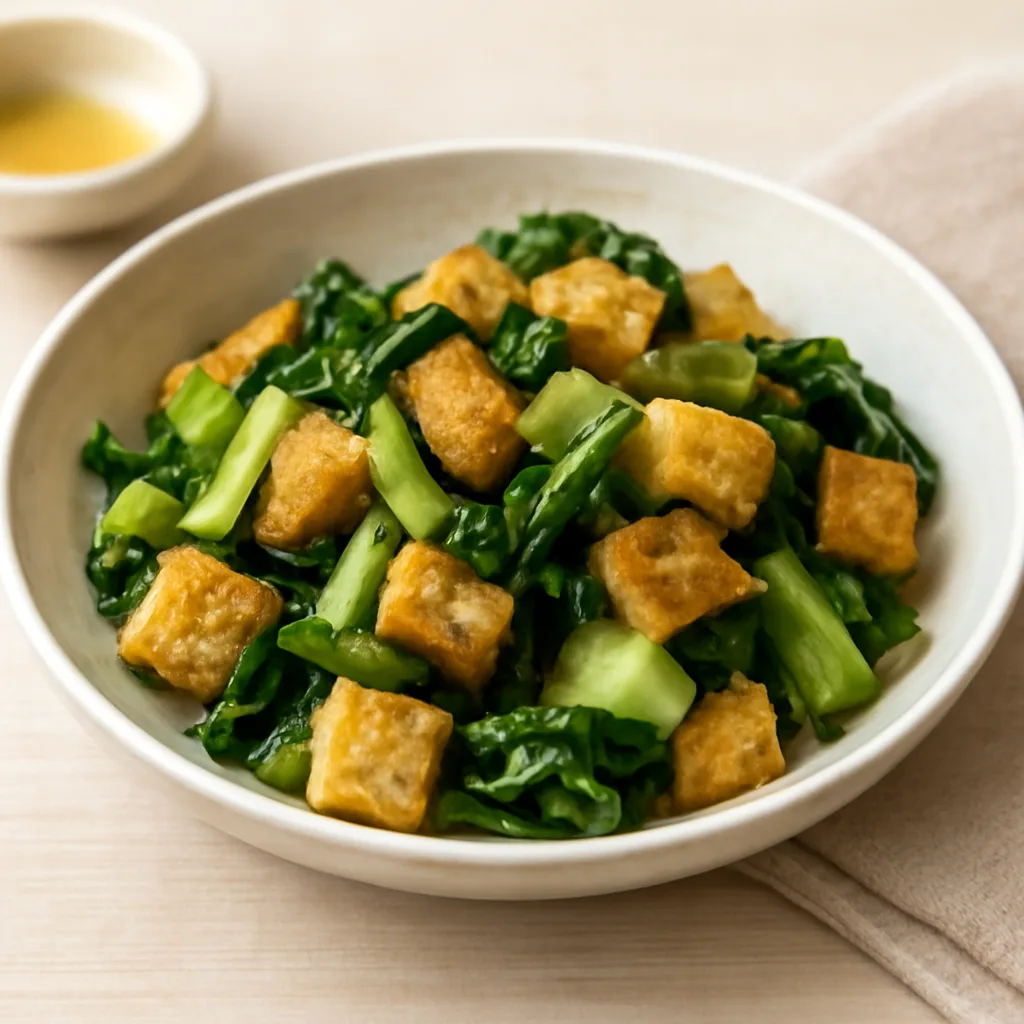
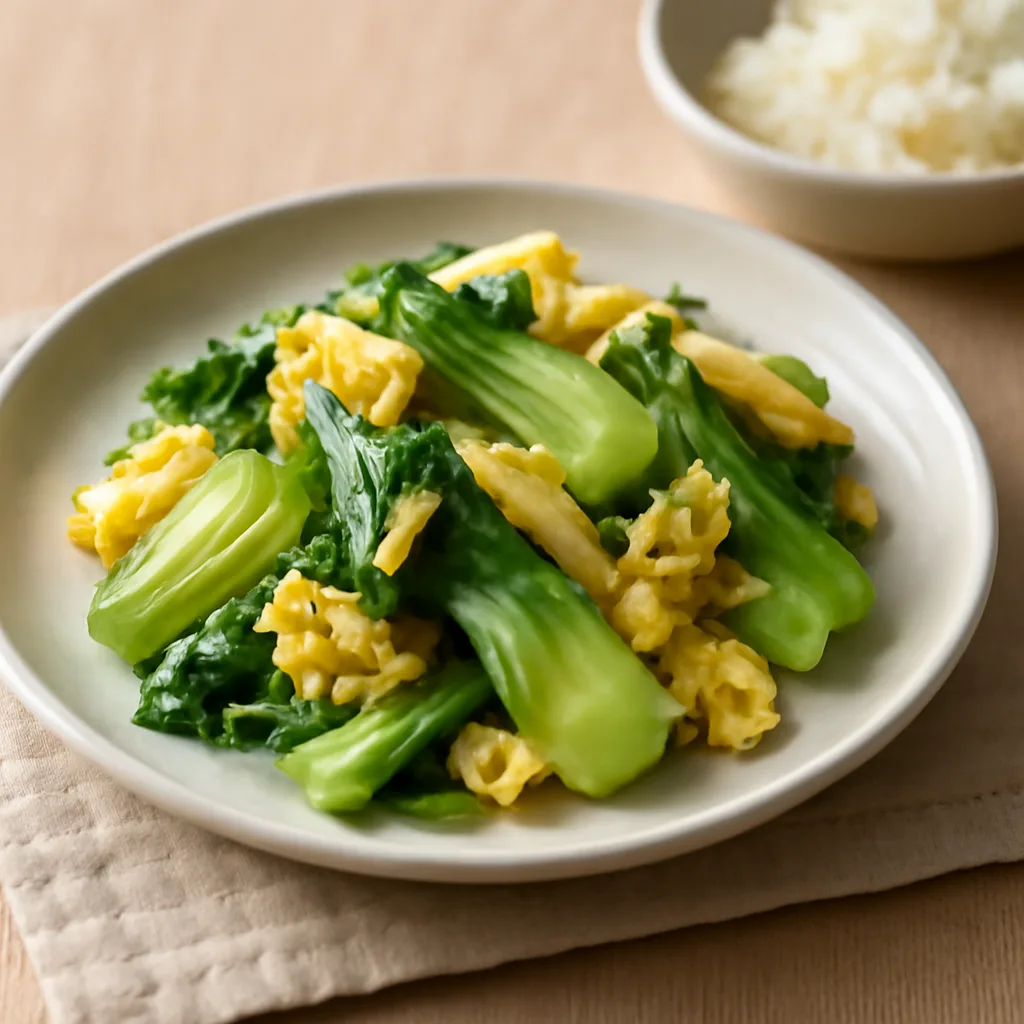
- Stir-fry with garlic over high heat and season with soy sauce, oyster sauce, or salt to make a simple side dish. When adding to the pan, if there is a lot of moisture, divide the portions to avoid crowding so moisture can evaporate.
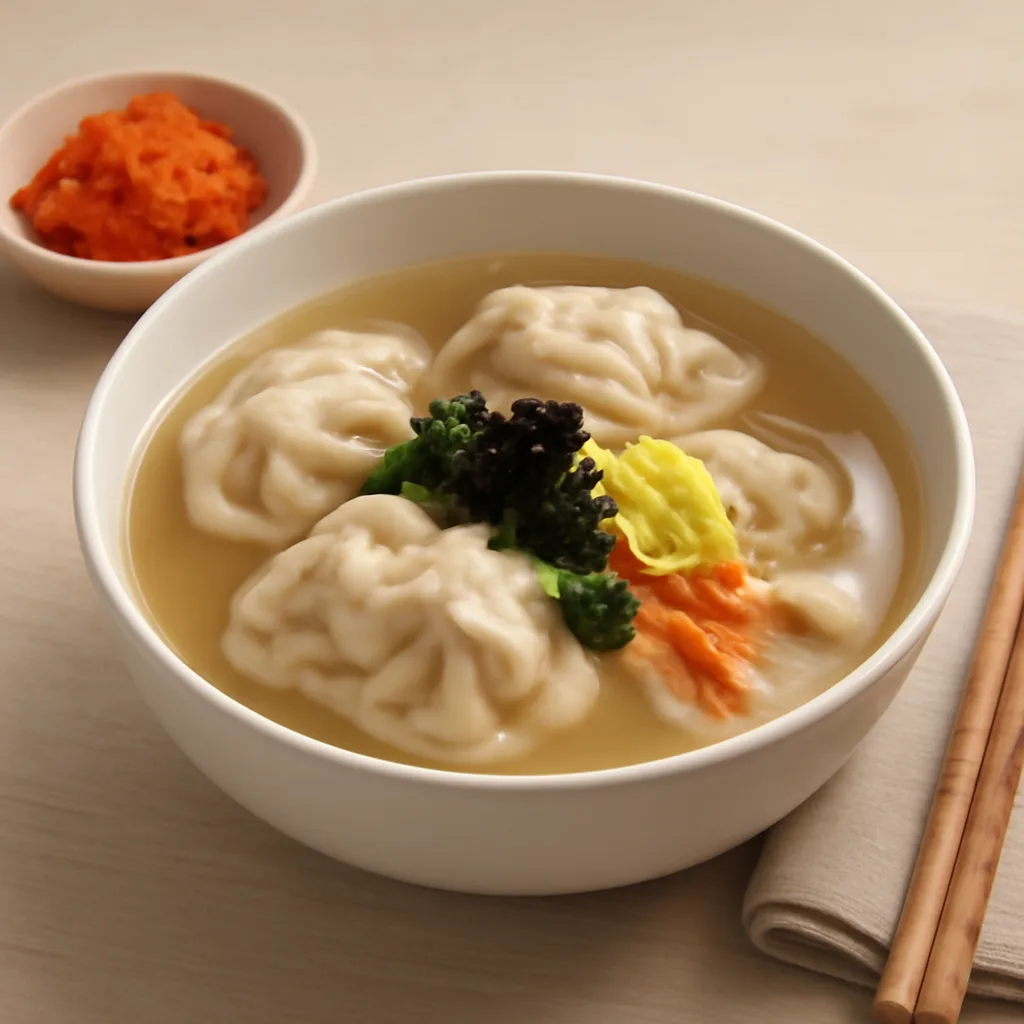
- Add to clear broth, noodle dishes, or hot pots at the end to finish cooking gently. Leaves cook quickly in broth, so add the stem first, or cut the choy sum in half so the stem-side touches the broth.
- Blanched choy sum can be tossed with light seasonings like sesame oil, soy sauce, and minced garlic as a side dish. If there is a lot of moisture after blanching, the seasoning can become runny, so let it rest briefly and lightly salt.
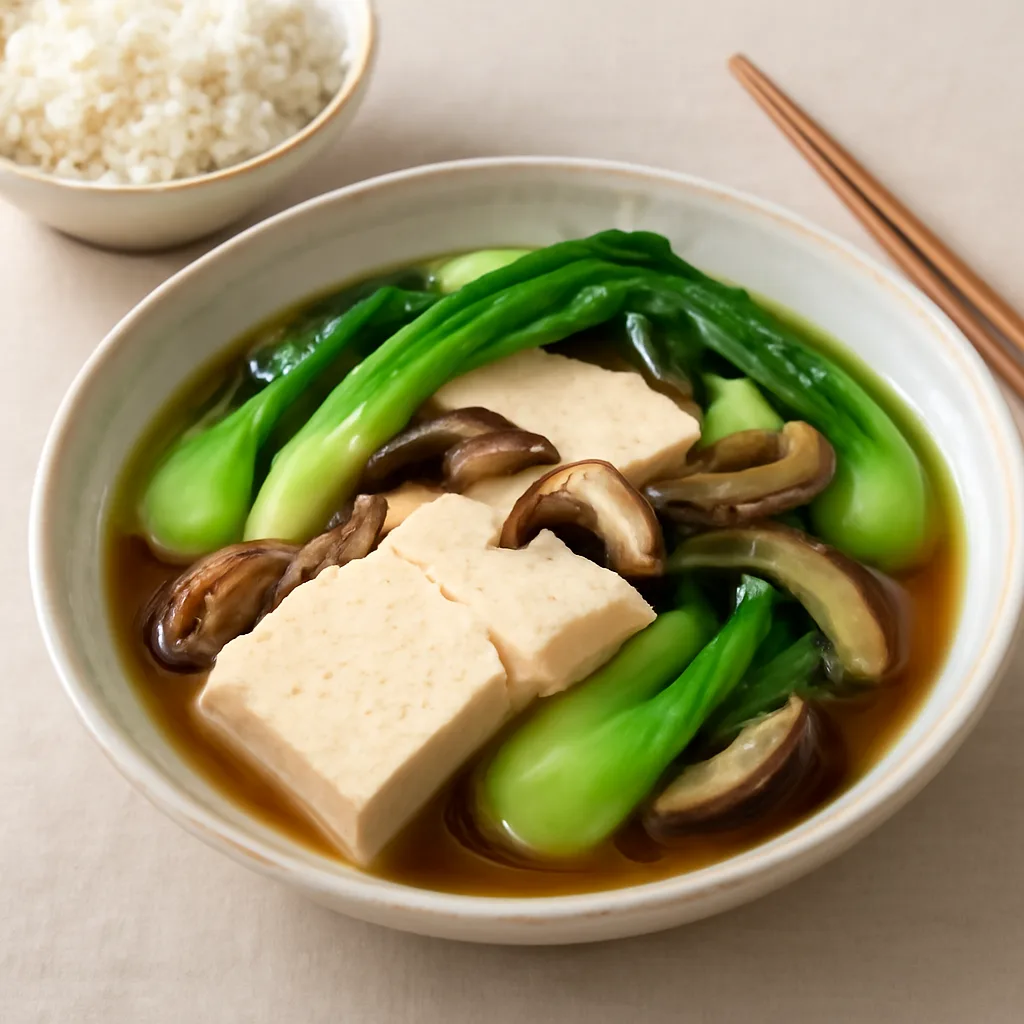
- Use as a bed for steaming dishes like braised dishes or fish and tofu; it absorbs the released moisture and seasoning. However, in long steaming, the leaves can become too soft, so add toward the end for better texture.
Vorbereitungstipps
- After cutting the root end, fan out the leaves and rinse under running water, checking for soil or impurities between the stalks. If using whole, a shallow cross-cut on the root end helps heat reach the interior more evenly.
- Dry the vegetables as much as possible before frying. If the surface is still wet after washing, steaming can happen more than frying and the seasoning may become thin, so pat dry or use a towel.
- For large choy sum, separate the stalks and leaves or cut into halves or quarters lengthwise. If the stalks are thick and added with the leaves at the same time, the leaves may soften first; cook the stalks for 30 seconds to 1 minute before adding the leaves.
- When blanching, briefly boil with a pinch of salt and drain. Long boiling to soften the stalks may not be ideal for a fresh dish like a raw salad, so adjust time according to the desired softness.
Besonderheiten beim Kochen
- Stir-frying quickly over high heat preserves the stalks' crunch while leaves stay glossy and soft. If the pan is not hot enough or too much is in the pan, moisture will release first, so preheat the pan well or cook in batches.
- Salt or soy sauce can draw moisture from the choy sum. For a crisp-tinished stir-fry, add seasoning after most of the vegetables have started to cook and finish quickly.
- In broth, the sweetness of the stalks and the vegetable aroma spread mildly. While a soft texture from long simmering can suit soups, if you want to preserve color and texture in clear noodle dishes, add right before turning off the heat.
- Cooking with a little oil makes the seasoning cling to the leaf surface and enhances the flavor. Too much oil can mask the choy sum’s light moisture, so use only a small amount for light broth-based dishes to accent the fried aroma.
Gut passende Kombinationen
- Using with garlic, ginger, and scallions creates a gentle vegetable flavor with a centered aroma. Use only a small amount of ginger so it doesn’t overpower the choy sum’s fresh aroma.
- Pairs well with umami-rich seasonings like soy sauce, oyster sauce, or miso; for a stir-fry you can finish with a little sesame oil or chili oil. If using a thick sauce like oyster sauce, dilute slightly with water to avoid clumping in one spot.
- Pairs well with relatively mild ingredients like tofu, mushrooms, shrimp, or chicken to let the stalk texture shine. When paired with fatty meats, avoid over-stir-frying to keep moisture balanced in the palate.
Hinweise zum Ersetzen
- For dishes needing both the crisp stalks and soft leaves, you can substitute with small cabbages or similar leafy greens, but water content and cooking speed will differ. If the substitute has tougher stalks, cook them first and add leaves later.
- Spinach can substitute for the leaf softness but lacks the stalk’s crispness and wilts much faster, so in dishes where texture matters like a quick stir-fry, add the same amount at the end in a brief simmer.
- Cabbage is a safe alternative in soups or stews, but it will taste sweeter and have different volume. In clear broths where you want the bright green of choy sum, it’s hard to replicate exactly.
- If choy sum is a main ingredient, it can be better to adjust the cooking method rather than replace with a leafy green. For example, for garlic stir-fry where stalk texture is key, pairing with mushrooms or tofu to create a different texture can be more natural.
Zutaten, die häufig zusammen in echten Gerichten verwendet werden
Basierend auf der Häufigkeit der gleichzeitigen Verwendung von Hauptzutaten in den bei CookPagoda registrierten öffentlichen Gerichten.
Gerichte, in denen diese Zutat verwendet wird
Wir zeigen Ihnen die Gerichte, in denen diese Zutat als Hauptzutat enthalten ist, nach Aufrufzahlen sortiert.