Zutaten-Enzyklopädie
Überprüfen Sie die Eigenschaften der Zutaten und wie sie in der Küche verwendet werden.
Nabele
1
1
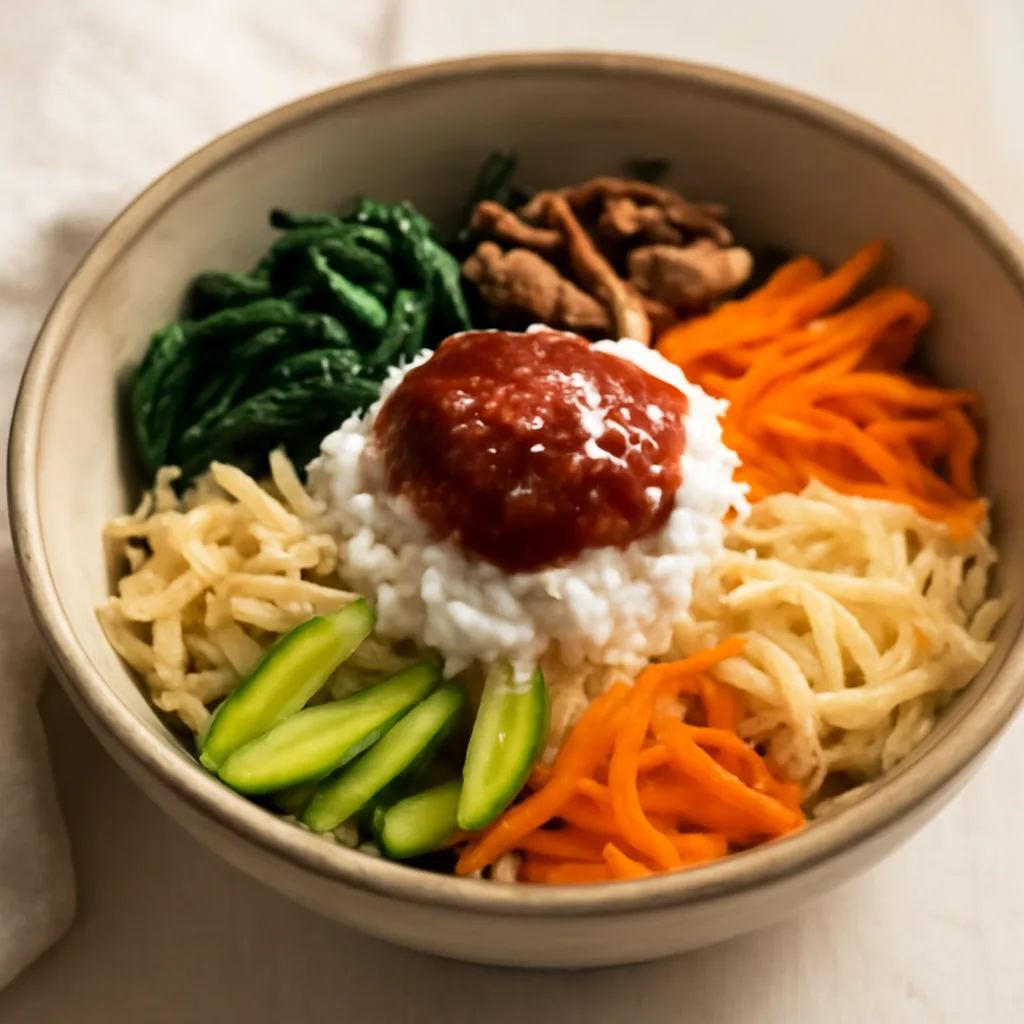
Namul is a term that covers ingredients and dishes made by blanching or sautéing edible leaves, stems, roots, and sprouts as side dishes. It ranges from relatively familiar leafy greens like spinach to ingredients with distinct aromas and prep methods like ferns, chamnamul, and doraji, so even within the same 'namul' type, water content, bitterness, and required degree of cooking vary greatly. Usually, namul is blanched briefly and mixed with seasonings or sautéed. Seasonings such as sesame oil, garlic, guk-ganjang (seasoned soy sauce), and doenjang balance the fresh smell and slight bitterness of the ingredient. It can be used in bibimbap mixed with rice, as part of a set of side dishes, or as a component in soups or stews. The core of preparation is reading the state of each ingredient. Leaves that are soft should stay vibrant in color and the stems should be slightly pliable; they should be cooled immediately to retain texture. Tough stems or dried namuls should be sufficiently softened by soaking and boiling, then seasoned.
Geschmack und Textur
Namuls range from fresh, savory notes to aromatic and slightly bitter flavors. Wild greens tend to have a relatively pronounced aroma, while root- or stem-centered namuls may reveal mild sweetness, earthy aroma, and a chewy bite. Well-prepared namul is moist, yet retains the intrinsic texture of the ingredient. Conversely, over-blanching dulls color and makes them soft, and not wringing out enough moisture can dilute the seasoning and ruin the texture.
Hauptverwendungszweck
- Blanched namul seasoned with salt or guk-ganjang, minced garlic, sesame oil, and sesame seeds for a seasoned side dish. For strongly fragrant ingredients, it is best to keep seasoning light to preserve the aroma.
- Drained namul can be quickly sautéed in a pan to add toasty flavor. If there is a lot of moisture on the pan bottom, it may become stewed rather than fried, so briefly evaporate moisture on high heat and then add more oil.
- Topping rice with various namuls for bibimbap; when using this method, it is better to season each namul relatively evenly so that the overall mix is not too salty.
- Soaked dried fern or namuls with a distinct texture can be used as ingredients in soups or broths as textural pieces. If already soft after adding to broth, avoid long simmering to prevent the texture from becoming overly mushy.
Vorbereitungstipps
- Sort out wilted leaves and tough roots from fresh greens, and rinse through any stubborn dirt by rinsing several times. If sand remains after washing, soak briefly to let impurities settle, then lift out.
- When blanching, add a little salt to boiling water and add stems first. Blanch until stems become tender and leaves color brightens, then reduce blanching time for the leaves.
- Cool blanched namul quickly to stop cooking, and wring out moisture appropriately before mixing. If moisture clings to the hands so that drops keep falling, press lightly again to prevent diluting the seasoning.
- Soaked dried namul should be boiled until the tough sinew is gone. If center is hard when pinched, more soaking or boiling time is needed, but if it breaks easily, shorten the subsequent sautéing time.
Besonderheiten beim Kochen
- Leaves shrink quickly and release moisture when heated. Sautéing a large amount in a wide pan helps aromas, but cooking too much at once can steam and soften texture.
- Seasoning immediately after blanching tends to stay on the surface first. Rest briefly and adjust seasoning if bland, to avoid over-salting from the start.
- Sesame oil gives a distinctive aroma when added at the end. However, for strongly scented namuls like chamnamul or fragrant wild greens, using too much sesame oil can overpower the ingredient aroma.
- Strong seasonings like garlic and doenjang can help mellow bitterness or earthy notes, but may feel heavy on delicate leaves. If the ingredient flavor weakens, it is better to reduce cooking time rather than add more seasoning.
Gut passende Kombinationen
- Sesame oil and sesame seeds add richness to mild namuls, guk-ganjang or salt keeps the color and aroma clean.
- Garlic pairs well with gentler aroma or stem-forward namuls, but use less for delicate young leaves.
- Doenjang, gochujang, and perilla powder add depth to namuls with aroma or bitterness. In dishes with many other seasonings like bibimbap, reduce these to avoid dulling overall flavor.
- Tofu, rice, eggs, and mushrooms balance the namul aroma and texture within the meal.
Hinweise zum Ersetzen
- Substituting for a specific namul depends on aroma, stem texture, and whether it is fresh or dried. For blanched, seasoned use, soft greens like spinach or bok choy leaves can be used similarly, but the unique aroma of chamnamul cannot be exactly replaced.
- For brothy dishes needing a chewier texture like dried fern, soaked dried mushrooms or textured stem vegetables can be considered. Mushrooms have different moisture and aroma, so adjust seasonings and simmering time accordingly.
- When replacing with other namul that are crisp and pungent like doraji, options like radish or deodeok that can be trimmed and used for mixing may be chosen. If bitterness is desired for the dish, decide whether to add salt pickling or blanching to the substitute after tasting.
Zutaten, die häufig zusammen in echten Gerichten verwendet werden
Basierend auf der Häufigkeit der gleichzeitigen Verwendung von Hauptzutaten in den bei CookPagoda registrierten öffentlichen Gerichten.
Gerichte, in denen diese Zutat verwendet wird
Wir zeigen Ihnen die Gerichte, in denen diese Zutat als Hauptzutat enthalten ist, nach Aufrufzahlen sortiert.