Encyclopédie des ingrédients
Découvrez les caractéristiques des ingrédients et comment les utiliser en cuisine.
Kimchi
10
16
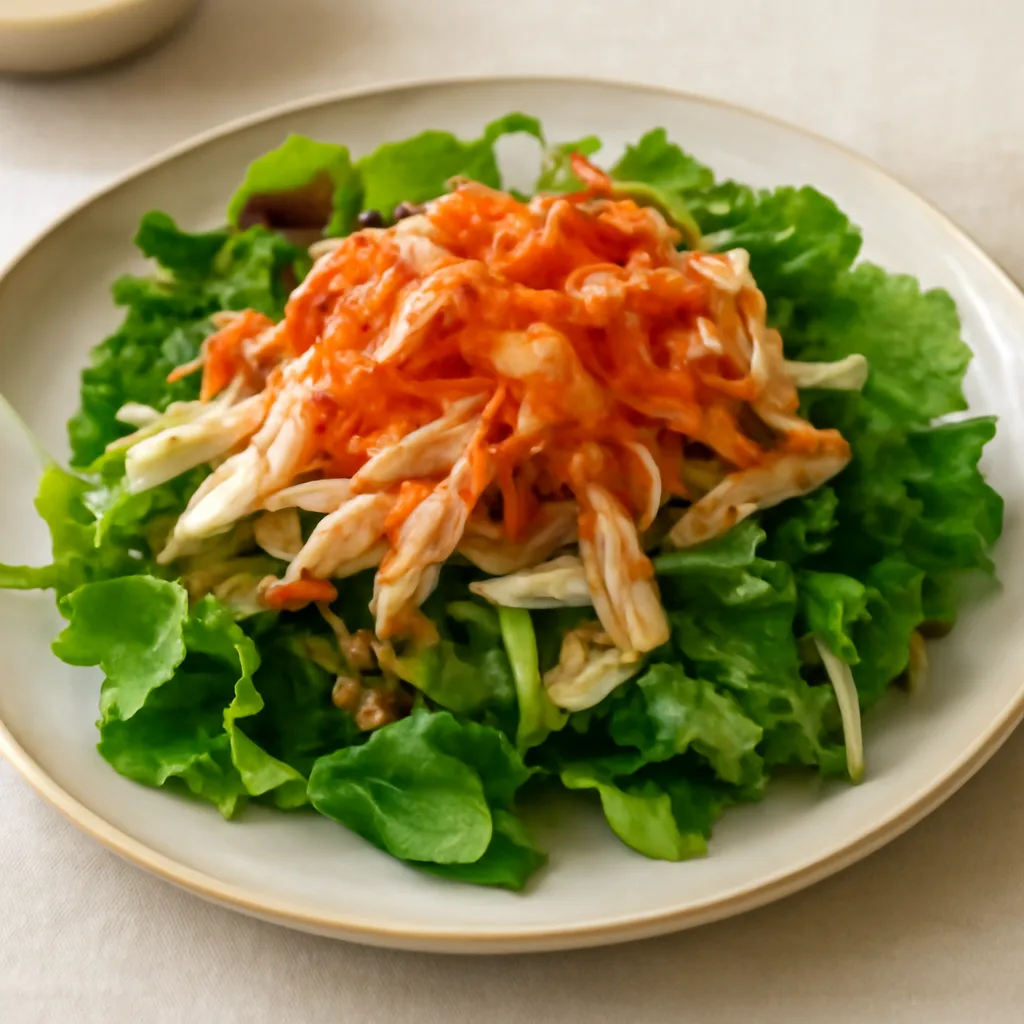
Kimchi is a fermented side dish made by salting and seasoning vegetables such as napa cabbage and radish, and cooking it until ripe. In cooking, it is used to add sourness, umami, and spiciness all at once. Depending on the variety and level of ripeness, the flavor can vary greatly, so for a light broth, kimchi that is less ripe is often more suitable, while for rich dishes like stir-fries and stews, well-fermented kimchi is often better. Beyond serving as is, kimchi can be used in kimchi jjigae, kimchi fried rice, jeon, stir-fries, and noodle toppings. Kimchi broth adds color and acidity, but can be high in salinity, so adjust by tasting and adding gradually rather than putting in a lot from the start. Since the seasoning and fermentation aroma of kimchi are the main characters, if you add it to delicate-smelling fish or clear broths, the original flavors may be overwhelmed. In such cases, reduce the kimchi amount or use only a small amount of the broth to add a fresh aftertaste.
Goût et texture
Kimchi is salty, sour, and carries a sharp flavor from seasonings like red pepper powder and garlic. When it isn’t fully ripe, the fresh sweetness and crunch of the vegetables remain; when fully ripened, the sourness and fermentation aroma become prominent. Texture varies with ingredients and aging. Napa cabbage kimchi has soft leaf parts and relatively crunchy stems, and when simmered for a long time, the tissue loosens and imparts depth to the broth and sauce.
Principales utilisations
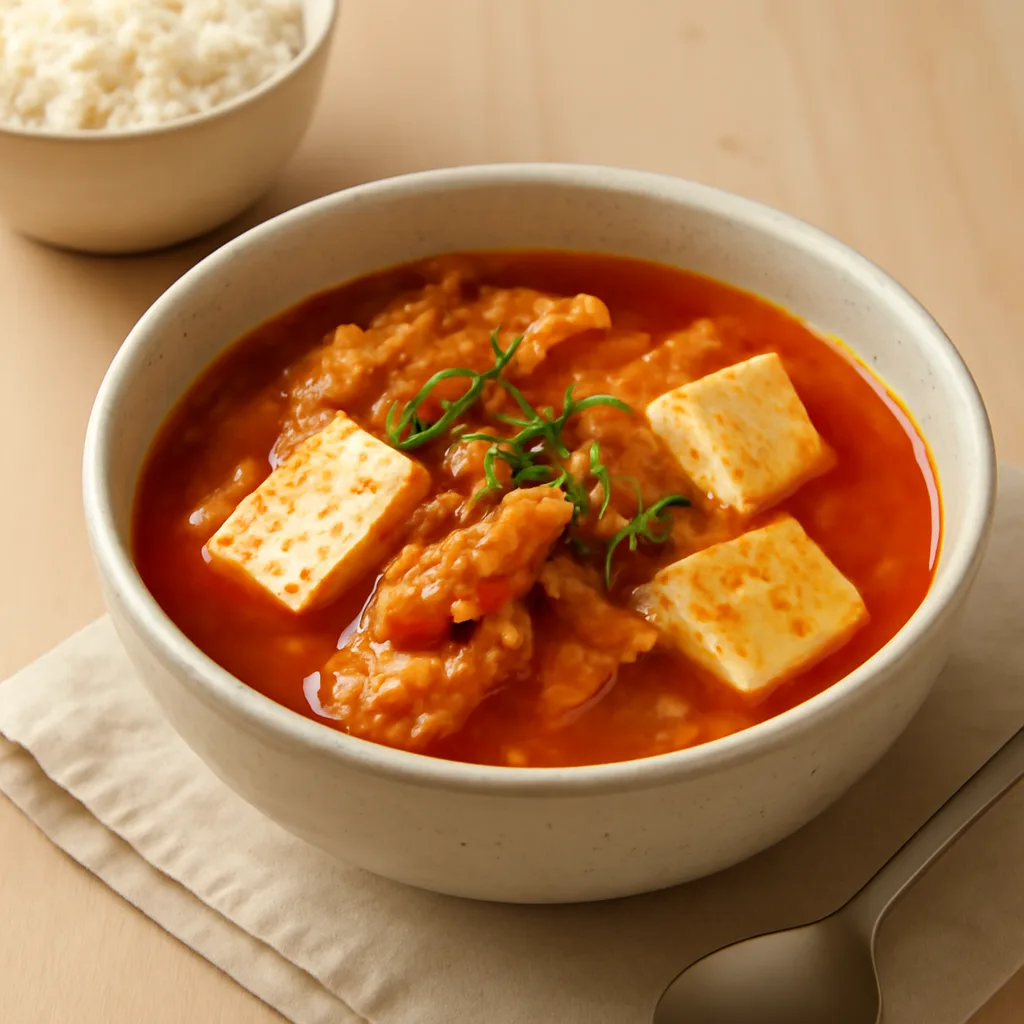
- Well-aged kimchi is good for making a deep, tangy broth in stews by adding it with pork, tofu, and stock. If kimchi is too sour, instead of adding sugar or sweet onions in small amounts, you can first sauté it in oil to mellow the sharpness of the sour taste.
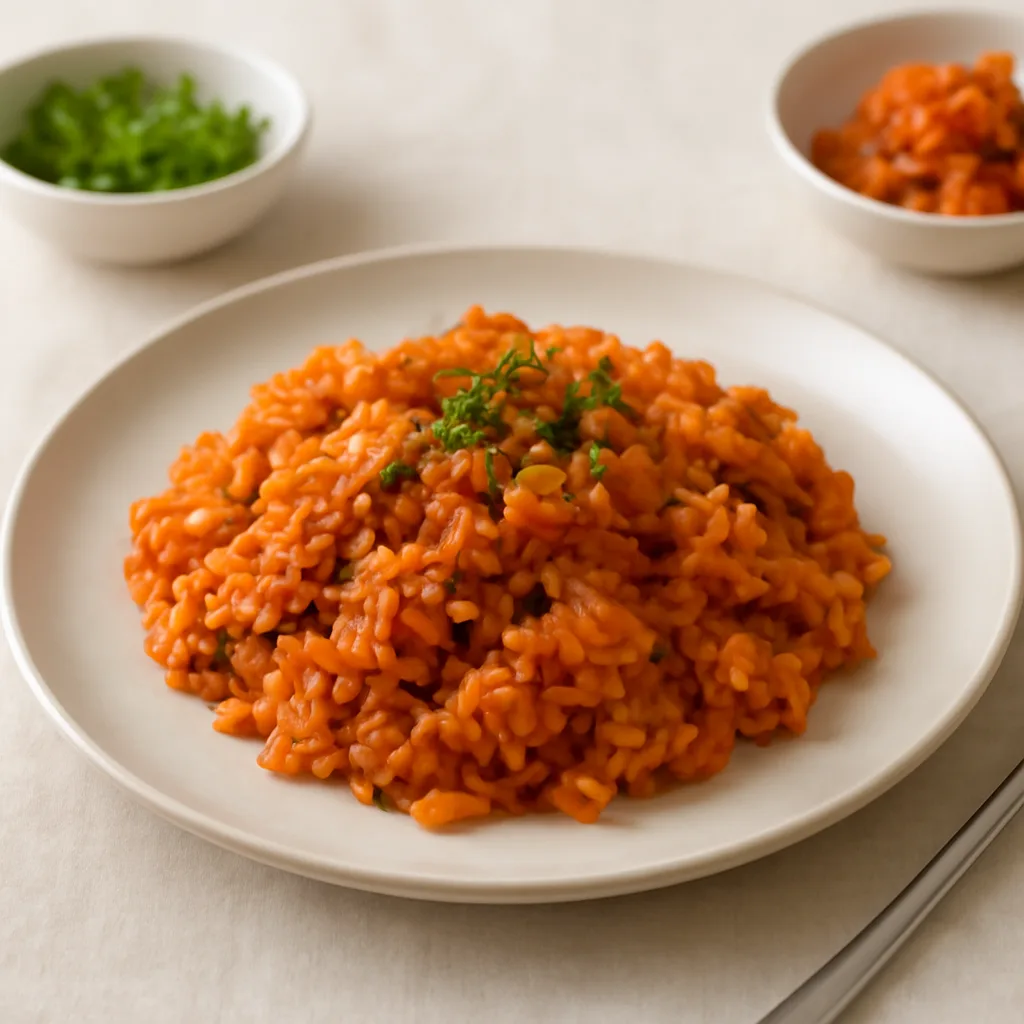
- Chopped kimchi can be stir-fried with rice to make kimchi fried rice. Since kimchi releases water, adding a lot of it directly can make the rice mushy; it’s advantageous to first fry the kimchi to reduce moisture, then add leftover rice.
- For kimchi jeon, you can use finely chopped kimchi and kimchi broth to add color and flavor to the batter. If the batter becomes too thin and the edges don’t brown, reduce the amount of broth or water and spread it wide to cook over medium heat until fully cooked and crispy.
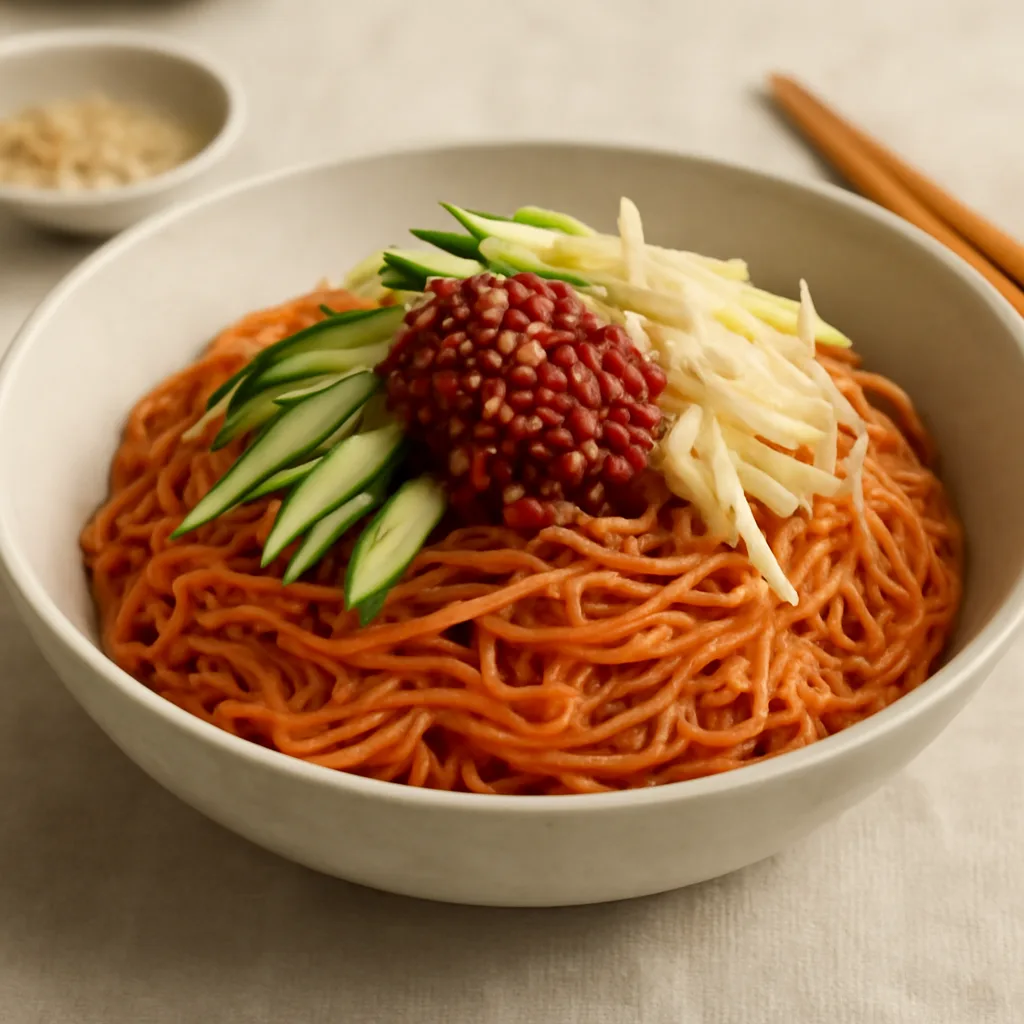
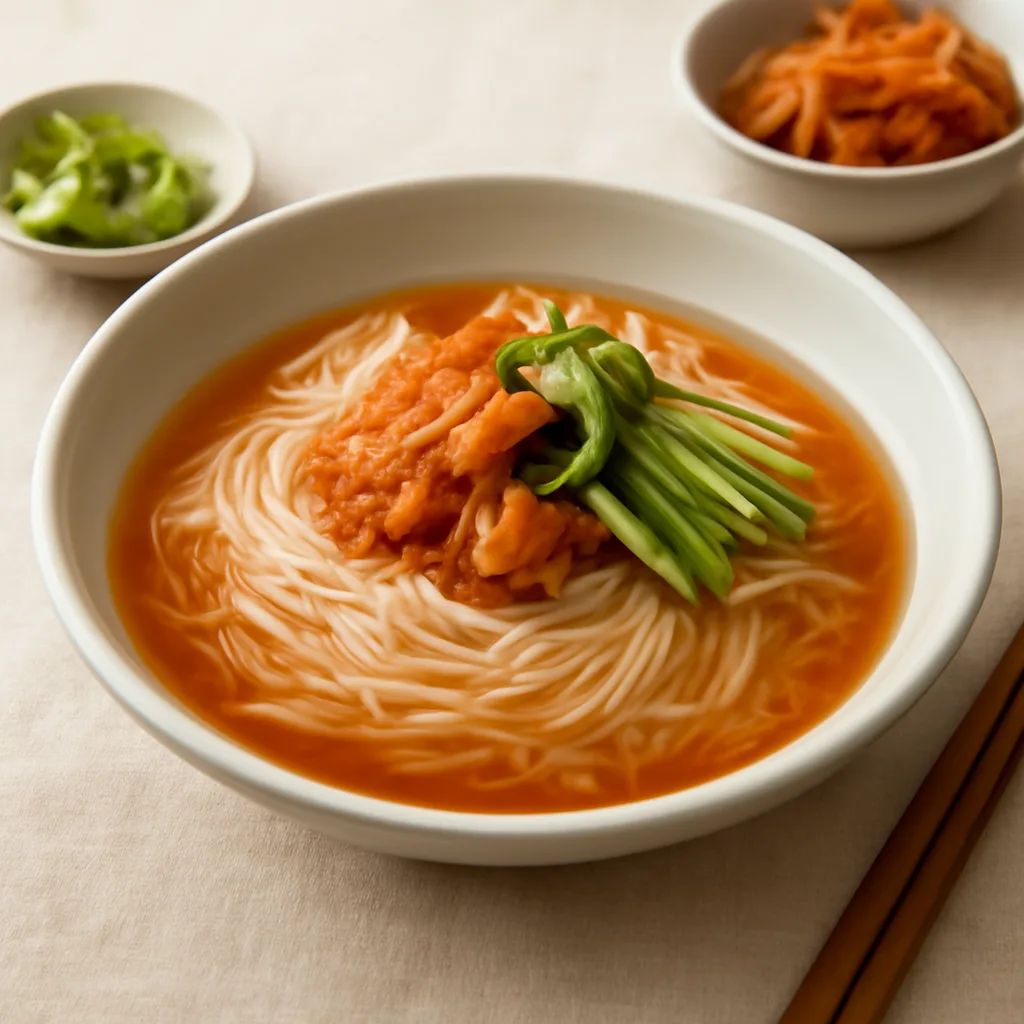
- Ramen, kalguksu, and bibim noodles can be served as a side or topping to cut the richness. If the broth dish is already salty, keep kimchi separate or add only a small amount so as not to over-salt the overall dish.
Conseils de préparation
- Taste kimchi before chopping to check sourness, saltiness, spiciness, and moisture. If sourness is strong, it is good for dishes that use heat and fat like stews and stir-fries; if it’s crisper, it pairs well as fresh or briefly cooked.
- For kimchi to be added to broth, cut the kimchi into bite-sized pieces, but don’t slice too thin if you plan to simmer for a long time. Small pieces can disintegrate easily, so leave a bit larger stem pieces if you want a chewy texture.
- Strain or lightly wring out the kimchi broth to control the texture of broth-based dishes. On the other hand, a bit of the seasoned pieces can be helpful for flavor in jeon or fried rice.
- Salty kimchi can be rinsed lightly to remove excess salt and water squeezed, but doing so weakens the fermentation aroma and seasoning. This method is better for stir-fries where kimchi’s own flavor is not the core, rather than for stews or jeon where the kimchi flavor is key.
Caractéristiques lors de la cuisson
- If kimchi is fried in oil first, the seasoning aroma spreads and moisture is reduced, giving a more concentrated flavor. If there is a lot of water on the pan bottom, rather than lowering the heat, fry over a wide pan at medium-high heat to evaporate moisture and bring out the roasted aroma.
- During simmering, kimchi’s sourness and saltiness spread into the broth. If you add soy sauce or salt heavily from the start, it can become overly salty as it reduces, so simmer kimchi with the stock first and adjust seasoning at the end.
- Long-heated kimchi becomes soft and its seasoning blends into the broth, but crisp texture is hard to maintain. If contrasting textures are needed in a stew, add some early and some just before finishing for a short cook.
- In kimchi pancake, the moisture from kimchi can make the batter loose. If the pancake tears when flipped, spread the batter thinner and wait until one side is golden before flipping.
Combinaisons recommandées
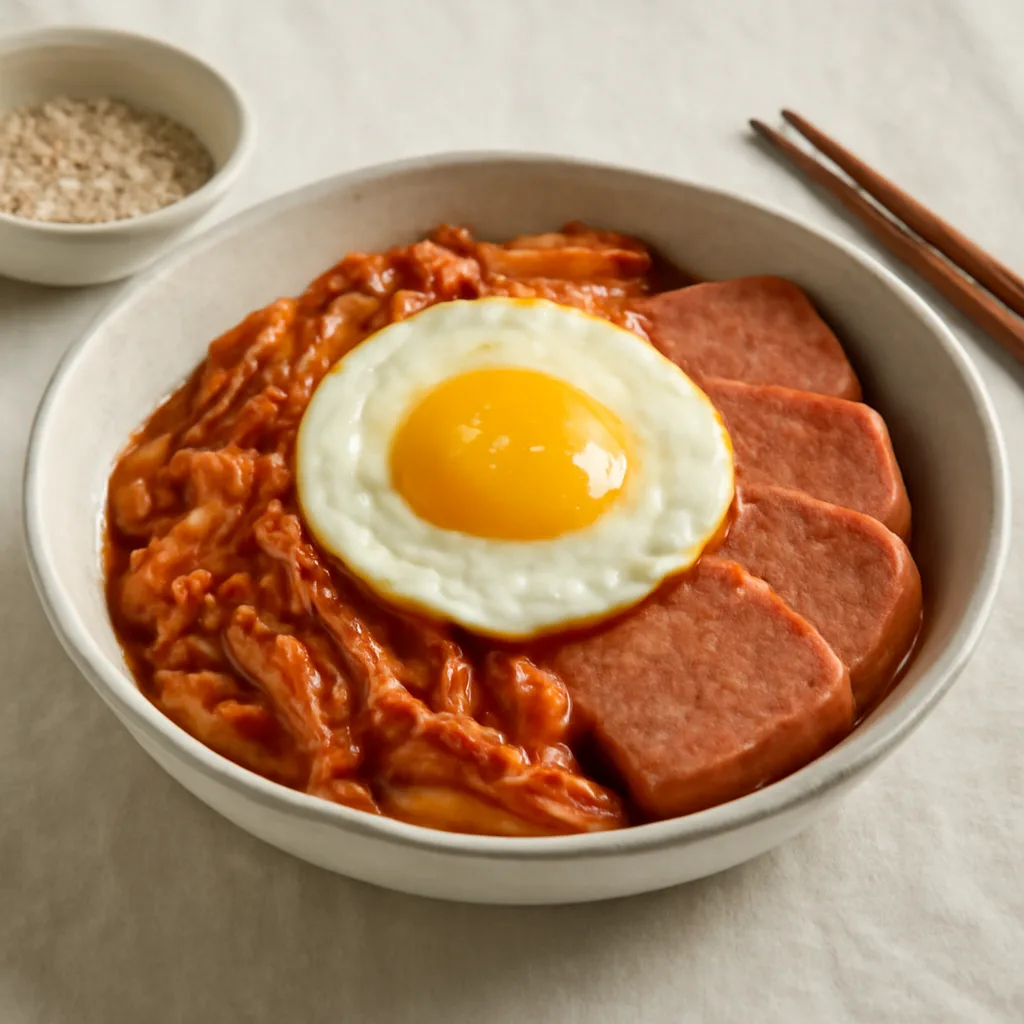
- Rich ingredients like pork or pork belly balance kimchi’s acidity to lighten the dish’s weight. If not using fatty meat, add tofu, mushrooms, or eggs to create a soft texture and soften the spiciness.
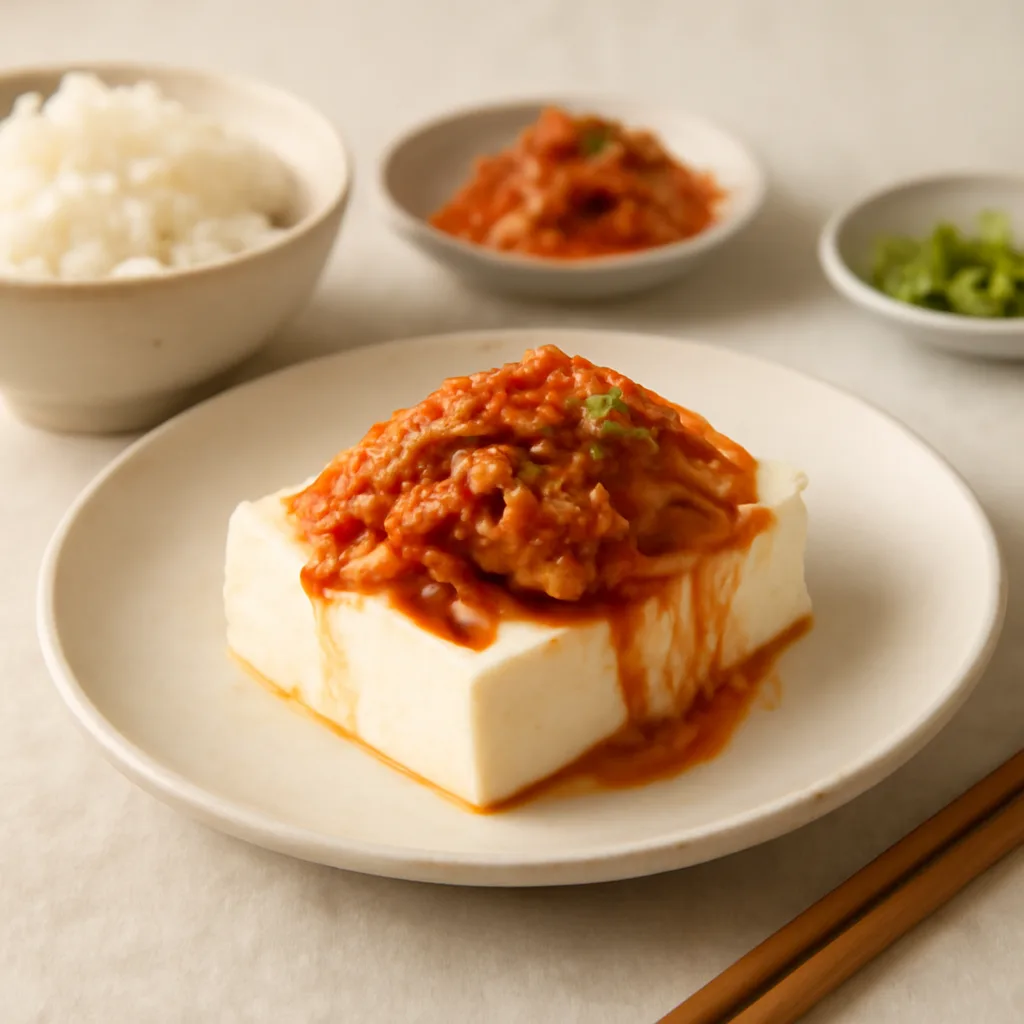
- Tofu and kimchi are commonly used together in stews, stir-fries, and as a side, with the tofu absorbing kimchi’s strong flavors. Since tofu itself has little seasoning, adjust later if kimchi is salty.
- Sesame oil, cooking oil, green onions, and onions help round out kimchi’s spicy aroma and acidity. Conversely, layering too many strong aromatics can mute kimchi’s characteristic fermentation scent.
- Plain starches like rice, noodles, or potatoes pair well with kimchi’s saltiness and sourness, making it especially good for bibimbap, jeon, and noodle dishes.
Points à considérer lors du remplacement
- There are few single ingredients that can replace all of kimchi’s sourness, spicy seasoning, and fermentation aroma. Depending on what role is needed in the dish, a practical approach is to substitute with pickled vegetables, spicy seasoning, and acidity in combination to complement.
- If you mainly need the sour and spicy flavor from stews or stir-fries, you can add small amounts of chopped pickled cabbage or sauerkraut with a little chili powder or gochujang. Since saltiness and aroma vary by product, adjust by adding gradually and retasting.
- For kimchi-jeon-like dishes where kimchi is a main ingredient, using substitutes can drastically change taste and texture. A spicy vegetable pancake with cabbage or chives and added chili powder, minced garlic, and a touch of acidity is a natural alternative.
- For dishes that require less-ripe kimchi, substitutes with strong sourness may not be suitable. In this case, even with pickled vegetables, add vinegar at the very end in small amounts to avoid making the sourness overpowering.
Ingrédients souvent utilisés ensemble dans les plats réels
Basé sur le nombre d'apparitions simultanées des ingrédients principaux des plats publics enregistrés sur CookPagoda.
Plats contenant cet ingrédient
Nous affichons les plats où cet ingrédient est un ingrédient principal, classés par nombre de vues.