Bách khoa toàn thư về nguyên liệu
Tìm hiểu đặc điểm của nguyên liệu và cách sử dụng trong nấu ăn.
xì dầu
11
12
soy sauce is a salty liquid seasoning made by fermenting soybeans, adding not only saltiness but a deep umami and color to foods. It is versatile from clear soups and stews to stir-frying, braising, or as a seasoning paste; even among the same soy sauce, different varieties like jin soy sauce, guk soy sauce, and yangjo soy sauce have different impacts on saltiness, aroma, and color depending on the product. For stir-fries or braising, soy sauce with relatively strong color and flavor tends to pair well, and for clear broths it’s easy to choose guk soy sauce that doesn’t darken the color too much. Because saltiness varies by product, it is more stable to taste and adjust in the middle rather than adding a large amount from the start. Soy sauce spreads quickly when it meets moisture in ingredients, so when making marinades you should also consider the amount of other liquid ingredients. If the saltiness feels strong, you can balance the overall flavor not by simply increasing water or stock, but by adding a small amount of sweetness, acidity, and aroma-enhancers to regain balance.
Hương vị và kết cấu
Mainly salty, but fermentation brings umami and a roasted aroma, with subtle sweetness or rich aged aroma depending on the product. Darker soy sauces tend to color the surface and the broth of dishes brown. The texture is a thin liquid that blends quickly with ingredients. Therefore, it imparts flavor rapidly to moisture-rich ingredients like tofu or mushrooms, but if left to soak too long the overall saltiness can rise above the surface.
Cách sử dụng chính
- Used to season soups, stews, and broths; choosing a type with less color change makes it easier to preserve the ingredient colors in clear broths.
- Add to beef marinades for dishes like bulgogi or galbi to form the base of saltiness and umami. When used with sweeteners like sugar, pear or onion, and garlic, the saltiness of soy sauce is less prone to stand out too strongly.
- Add a small amount to stir-fried vegetables, mushrooms, and tofu to bloom aroma and add color. If added too early to very moisture-rich vegetables, it can become braised-like rather than fried.
- Prepare a braising sauce with soy sauce along with water or stock for dishes like braised vegetables. It also seasons bland foods like radish, potatoes, eggs, and fish with a savory bite.
- Use as a dipping sauce by mixing soy sauce with vinegar or citrus juice, sesame oil, and minced garlic.
Mẹo chế biến
- Shake the bottle lightly before use to reduce flavor variation, and use a measuring spoon to easily control the amount.
- When substituting guk soy sauce for jin soy sauce, don’t add the same amount all at once; start with about half and adjust after checking color and saltiness. Guk soy sauce is more suitable for clear broths, jin soy sauce better for braising and frying.
- When marinating meat or tofu in soy sauce, account for moisture released by the ingredients and make the marinade slightly thicker. If the marinade becomes too thin after marinating, use only the needed amount rather than pouring a lot.
- In stir-fry, surround the pan edge with soy sauce and heat briefly, then mix with the ingredients to wake the aroma. If the pan is too hot or the soy sauce has a lot of sugars, it may burn quickly, so lowering the heat is better.
Đặc điểm khi nấu ăn
- Heating mellows the sharp aroma of raw soy sauce and brings out a rich aroma. Brief heating preserves the aroma, but long simmering can reduce aroma delicacy and intensify saltiness.
- If moisture decreases during braising, the saltiness can rise even without more soy sauce. If the broth is visibly reduced, pause adding more soy sauce, taste the ingredients first, and adjust thickness with water or stock.
- Soy sauce in fried dishes can create brown flavors on the surface, but if there is a lot of moisture in the pan, boiling occurs before browning. In this case, fry in batches or remove moisture, then add soy sauce.
- When mixed with acidic elements like vinegar or citrus juice, the salty impression can soften, making it good for salads, salsas, or dipping sauces. Conversely, adding too much acidity during long braising can let the sourness overtake the soy aroma.
Sự kết hợp phù hợp
- Garlic, ginger, scallions, and onions complement the fermented aroma of soy sauce and balance meat and fish seasonings.
- Adding sesame oil and sesame seeds gives a rich finishing touch and is especially good for namul or tofu seasonings. In dishes with strong sesame aroma, reduce soy sauce so other ingredients’ aromas aren’t overwhelmed.
- Sugar, corn syrup, and sweetness from fruits or vegetables help round the salty taste, suitable for braising and grilling marinades.
- Vinegar, lemon juice, and chili powder add acidity and spiciness to soy sauce marinades, helping balance fatty or bland boiled ingredients.
Điểm cần lưu ý khi thay thế
- If you don’t have soy sauce, season with salt to taste and add a small amount of stock, mushrooms, or miso to compensate for the umami, though the fermented aroma and brown color won’t be exactly reproduced.
- If substituting guk soy sauce for jin soy sauce, start with a small amount and don’t force more brown flavorings to compensate for color; instead adjust braising time. This substitution is relatively natural for broth-based dishes but the flavor and color difference can be noticeable in rich fried or braised dishes.
- When substituting jin soy sauce with guk soy sauce, the color may become cloudy, so it may not be suitable for clear soups or egg-drop soups where color matters; add only a small amount and balance with salt as needed.
- Tamaris and other soy sauce varieties can be alternatives, but their saltiness and aroma concentrations vary. Adjust gradually by tasting rather than swapping equal amounts.
Nguyên liệu thường được sử dụng cùng nhau trong món ăn thực tế
Dựa trên số lần xuất hiện đồng thời của nguyên liệu đại diện trong các món ăn công khai đã đăng ký trên CookPagoda.
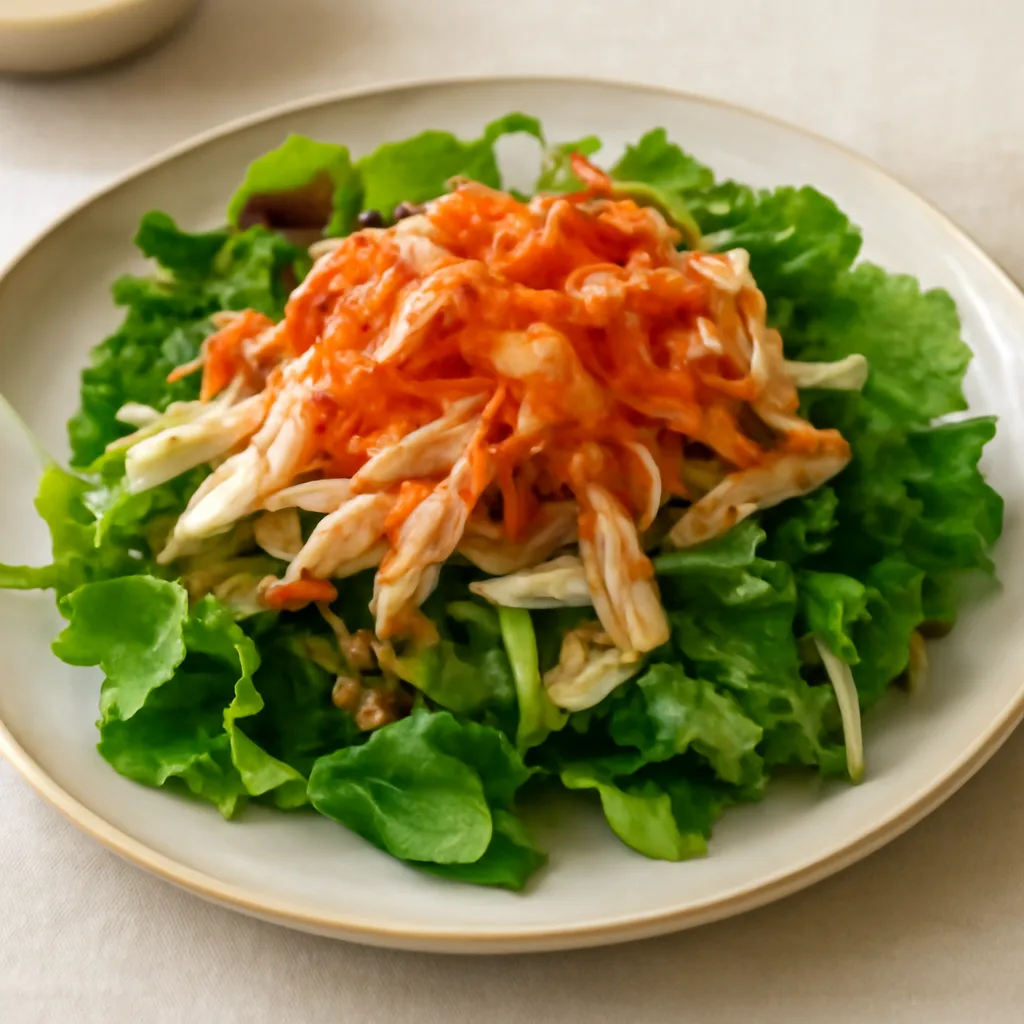
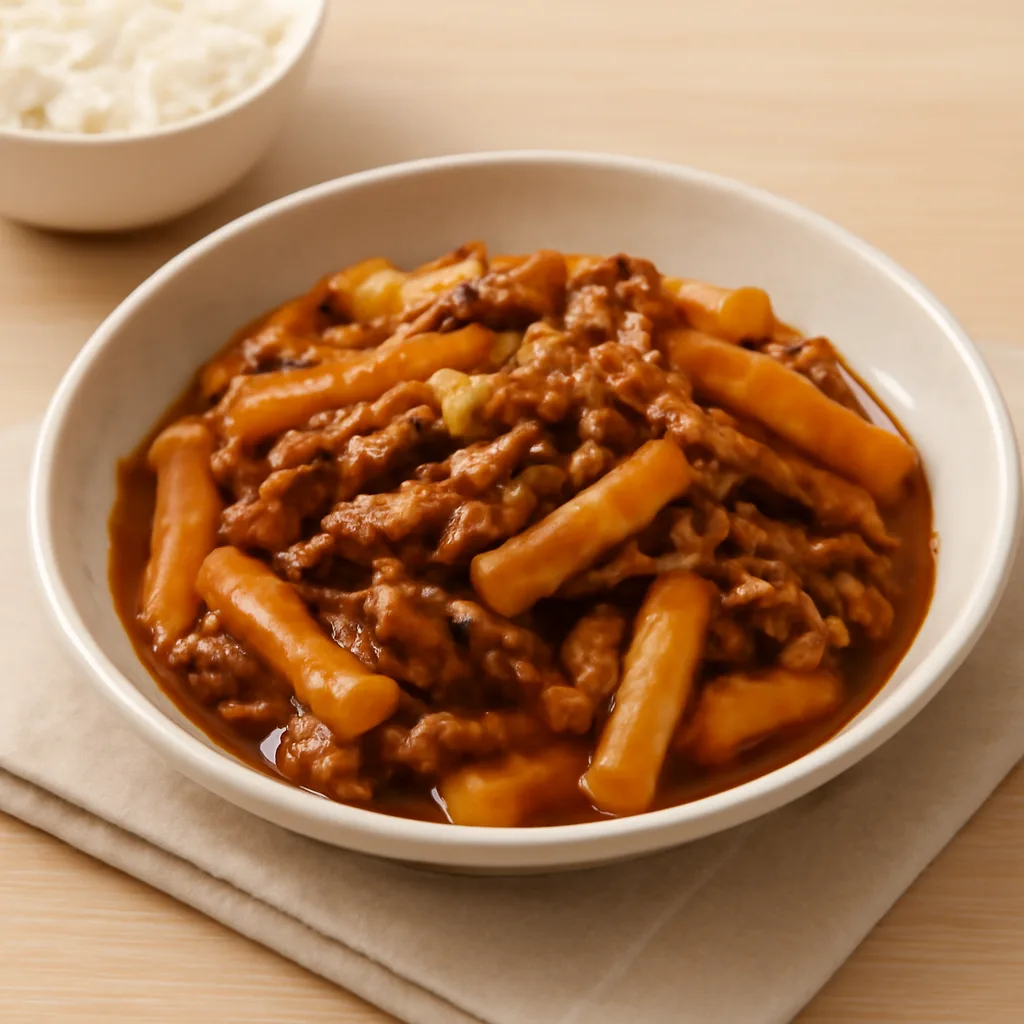
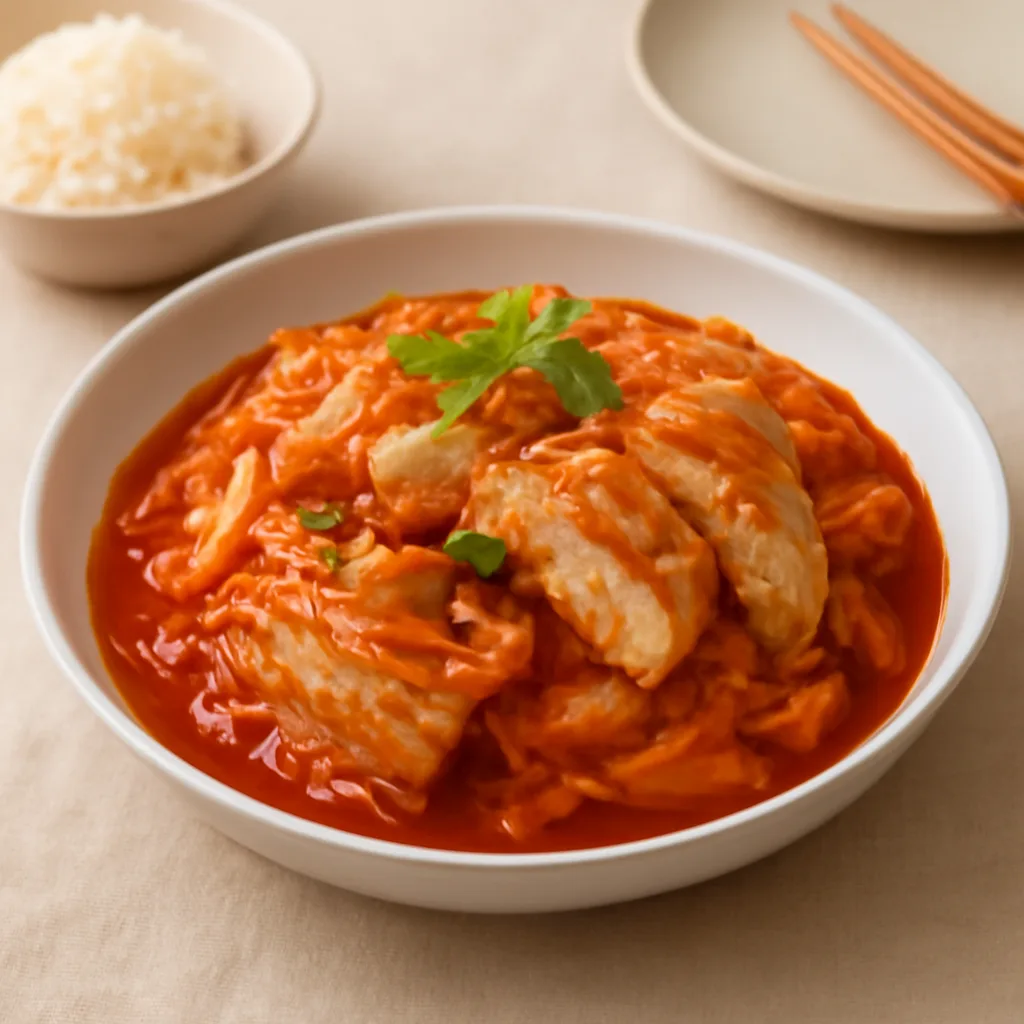
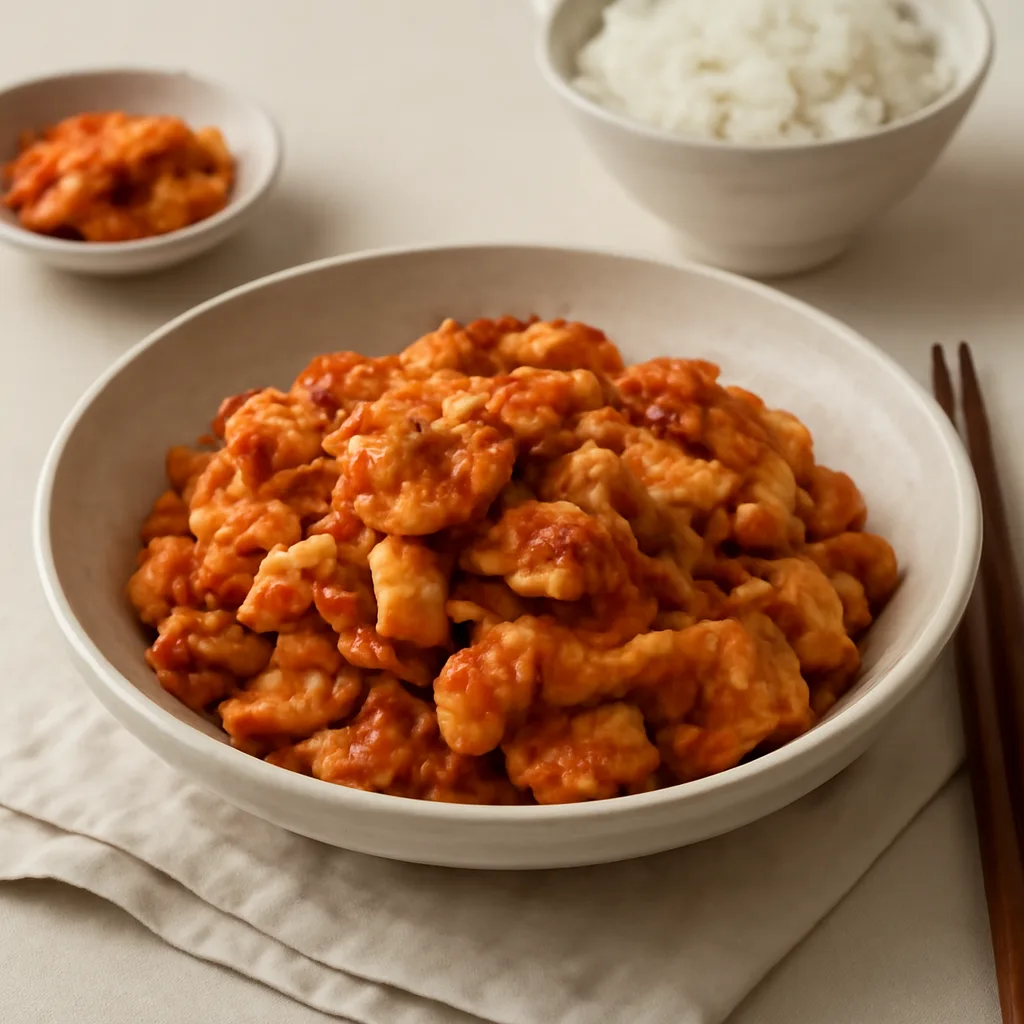
Món ăn sử dụng nguyên liệu này
Chúng tôi sẽ hiển thị các món ăn có nguyên liệu này là nguyên liệu chính theo thứ tự lượt xem.