قاموس المكونات
تحقق من خصائص المكونات وكيفية استخدامها في الطهي.
جبن فيتا
3
4
Feta cheese is a white cheese made by curdling milk and aging in brine. It is used by crumbling finely over salads or roasted vegetables, or mixing into fillings and sauces to add a salty flavor. It does not melt like hard cheese into long strings; even when heated, it generally maintains its shape and softens. Because of its pronounced saltiness, it's best to adjust the dish's salt after adding feta. When adding to broths or sauces, expect not a completely smooth cheese sauce, but a texture with small grains remaining. If it tastes too salty, you can rinse briefly in cold water or soak in cold water and pat dry before use, but doing so dulls its distinctive saltiness and flavor.
الطعم والملمس
Bright acidity and distinct saltiness with the nutty richness of milk. Depending on the product, textures range from crumbly and firm to moist and creamy. Coarser grains provide a salty bite when chewed, while finely mashed feta blends more evenly into dressings or fillings. In dishes with strong spices or vinegars, feta's delicate dairy flavor can be overwhelmed.
طرق الاستخدام الرئيسية
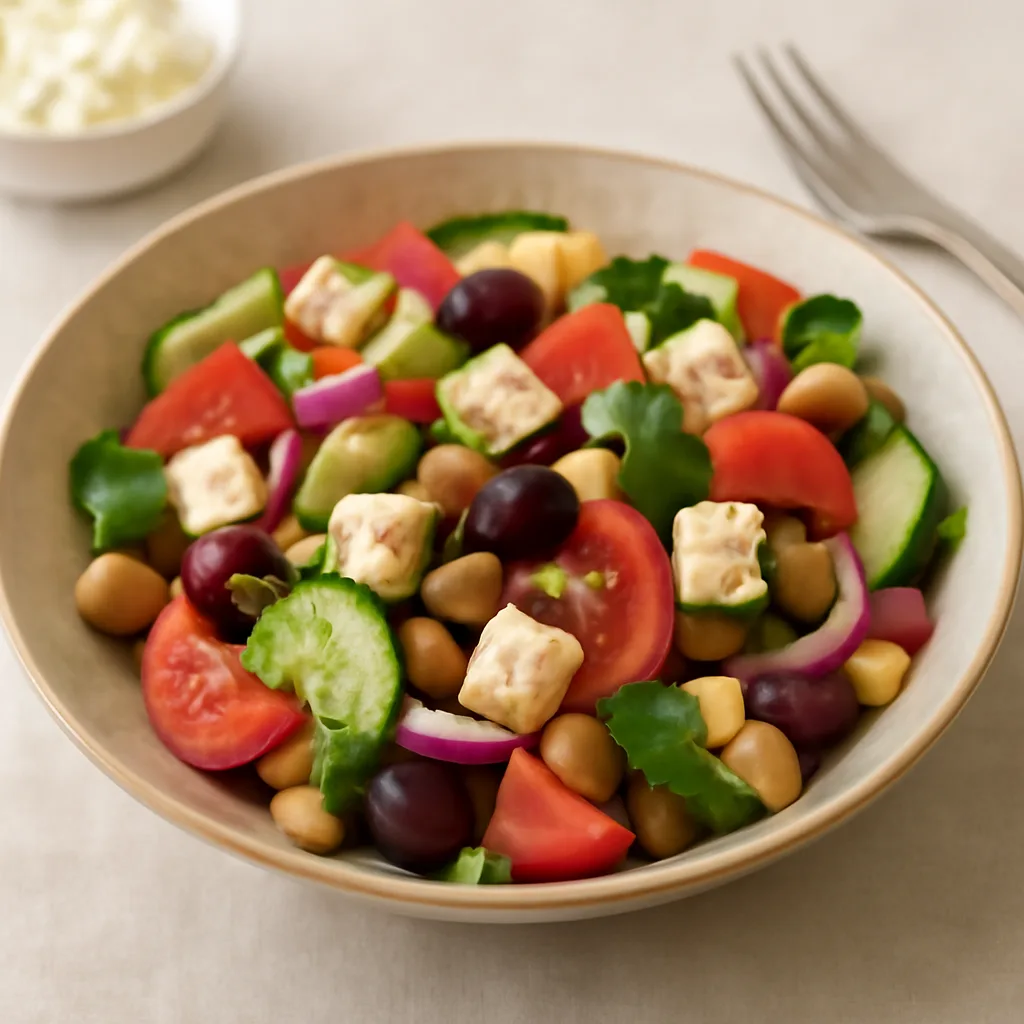
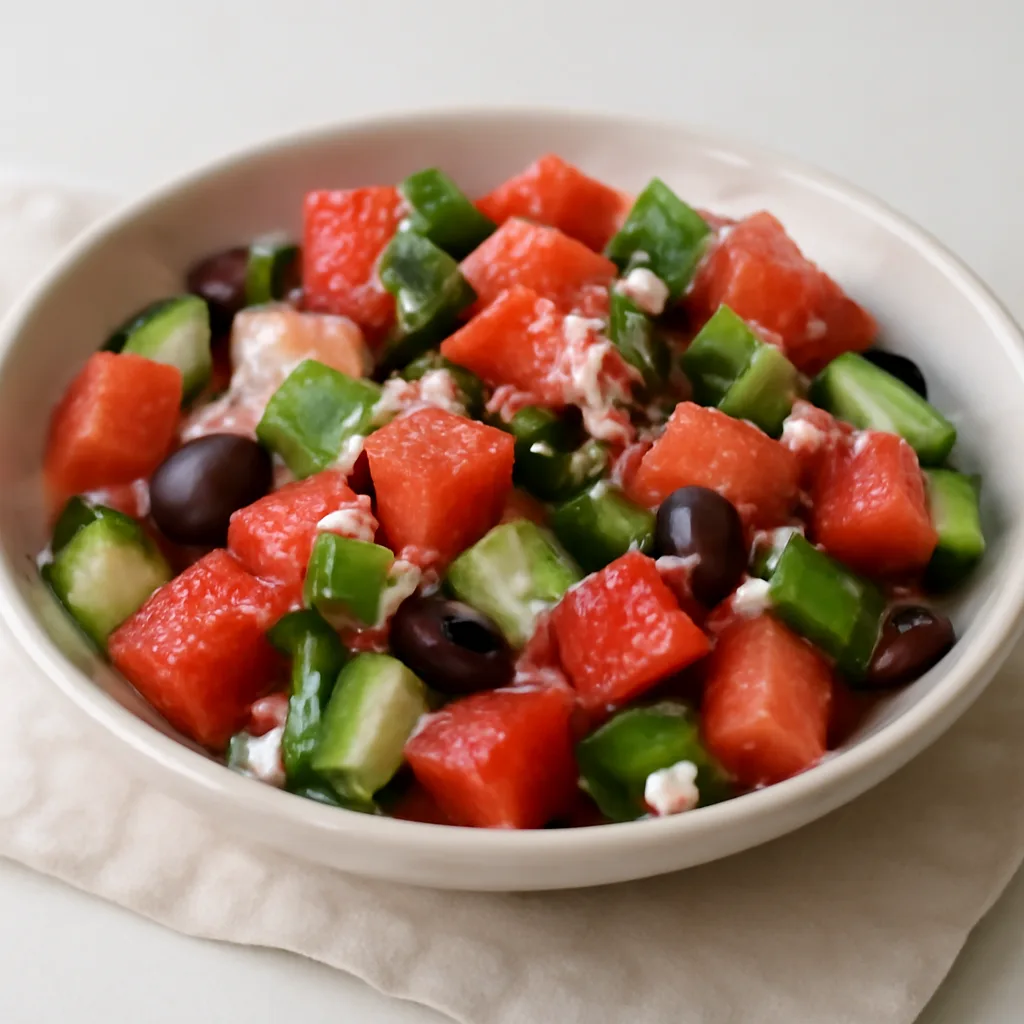
- Finish crumbling over tomatoes, cucumbers, and leafy greens in salads to add acidity and saltiness. If your dressing includes salt, sprinkle feta after tasting to avoid oversalting.
- Pair with roasted eggplant, zucchini, bell peppers, or sweet pumpkins. When added while vegetables are hot, the edges become slightly soft while the center remains firmer, creating contrast.
- Use with spinach, herbs, and eggs in pies, omelets, or fillings. If the filling is too watery, feta won't fully absorb moisture, so it's good to drain vegetables first.
- Crumble into pasta or grain dishes as a finishing touch. A lighter seasoning based on olive oil and lemon will let the feta's saltiness and acidity come through more clearly than a heavy cream sauce.
نصائح التحضير
- Block feta can be taken out as needed and broken by hand or with a fork to create natural crumbles. For uniform distribution, cut into small dice with a knife.
- If there is liquid left in the package, gently press and drain before adding the cheese. If added while there's too much liquid, the dressing may become too thin.
- To reduce saltiness, rinse briefly in cold water and blot dry with a paper towel. However, in salads or simple snacks where saltiness is the key, this method may make it bland.
- When adding to hot dishes, try to add some during cooking and reserve some for finishing. The portion added during cooking adds a soft flavor, while the finishing portion maintains a vivid texture.
خصائص عند الطهي
- Feta, when heated at high temperatures, won't melt into a completely smooth sauce; the edges may brown a bit and the center stays moist. Briefly heating in an oven or pan yields a moist center with roasted flavors.
- Boiling for too long can break the grains and make broths or sauces cloudy; it may not become a homogeneous cheese sauce. For a smooth sauce, use feta alongside other cheeses or dairy that melt well.
- Even with acidic ingredients, its flavor pairs well, but adding too much lemon juice or vinegar can make the existing acidity and saltiness feel sharp. If acidity increases, increase buffering ingredients like olive oil, roasted vegetables, or grains to balance.
- When roasting with moisture-rich vegetables, the feta may heat more gently due to the vegetables' moisture. If you want a roasted surface, pre-cook the vegetables to some extent or spread them in a wide pan to drive off moisture.
تركيبات مناسبة
- Pair with tomatoes, cucumbers, lemon, and olive oil to brighten feta's fresh saltiness. When layering with acidic ingredients, use one of lemon juice or vinegar sparingly to avoid sharpness.
- Fresh herbs like mint, dill, parsley, and oregano complement the nuttiness of feta without masking it. If strong herbs are used, start with small amounts and add gradually for balance.
- Roasted eggplant, zucchini, squash, beans, lentils, and mild grains like couscous or rice support feta's saltiness. If using already salty ingredients or cured meats, reduce feta amount.
نقاط يجب مراعاتها عند الاستبدال
- Closest alternative is brined cheese with crumbly texture and acidity, but saltiness and moisture vary by product, so start with about half the amount and adjust.
- Goat cheese can be creamier and spread more smoothly, suitable for salads and fillings, but may not leave grains like feta. If you want crumbles, avoid unless you dislike grainy texture.
- Ricotta salata can be used for crumbled toppings and has a salty flavor, but acidity may be weaker; add a tiny amount of lemon juice if needed, checking cheese saltiness first.
- For gratins or cheese sauces needing smooth melt, don't rely on feta as the sole substitute; use cheeses that melt well and add feta for flavor in smaller amounts.
المكونات التي تستخدم غالبًا مع الأطعمة الفعلية
يتم تجميعها بناءً على عدد مرات ظهور المكونات الرئيسية للأطعمة العامة المسجلة في CookPagoda.
الأطعمة التي تحتوي على هذه المكونات
نقدم لك الأطعمة التي تحتوي على هذه المكونات كمواد رئيسية مرتبة حسب عدد المشاهدات.