قاموس المكونات
تحقق من خصائص المكونات وكيفية استخدامها في الطهي.
ليمون
5
8
Lemon is an acidic ingredient that uses both juice and zest aromas. The juice sharpens the flavor, and the zest adds a bright, refreshing aroma. It is used broadly from fish, chicken, salads, and pasta to sauces and desserts. In cooking, it functions more in balancing rather than replacing salt or fat. If the flavor is heavy or fatty, a little more lemon juice at the end can make the mouthfeel lighter. However, if the dish is centered on acidity, adding it too much can suppress the sweetness and umami of other ingredients. The yellow part of the zest is fragrant, but the white pith can taste bitter. If aroma is needed, use zest; if acidity and moisture are needed, use juice to adjust usage for easy control.
الطعم والملمس
Lemon juice provides a clear, sharp sourness, and freshly squeezed juice carries a light fruity aroma with a mild bitterness. The zest has a much stronger aroma than the juice, giving a bright floral/herby note. The flesh itself is soft and moist, but the rind and seeds can taste bitter. Thin lemon slices can be used as a accompaniment for pickling or grilling, but overcooking can bring out the bitterness of the rind.
طرق الاستخدام الرئيسية
- Add lemon juice to salad dressings, vinaigrettes, and mayonnaise-based sauces to cut the richness. When blending with fragrant oils like olive oil, add lemon juice gradually and taste to ensure the acidity doesn’t overwhelm the oil flavor.
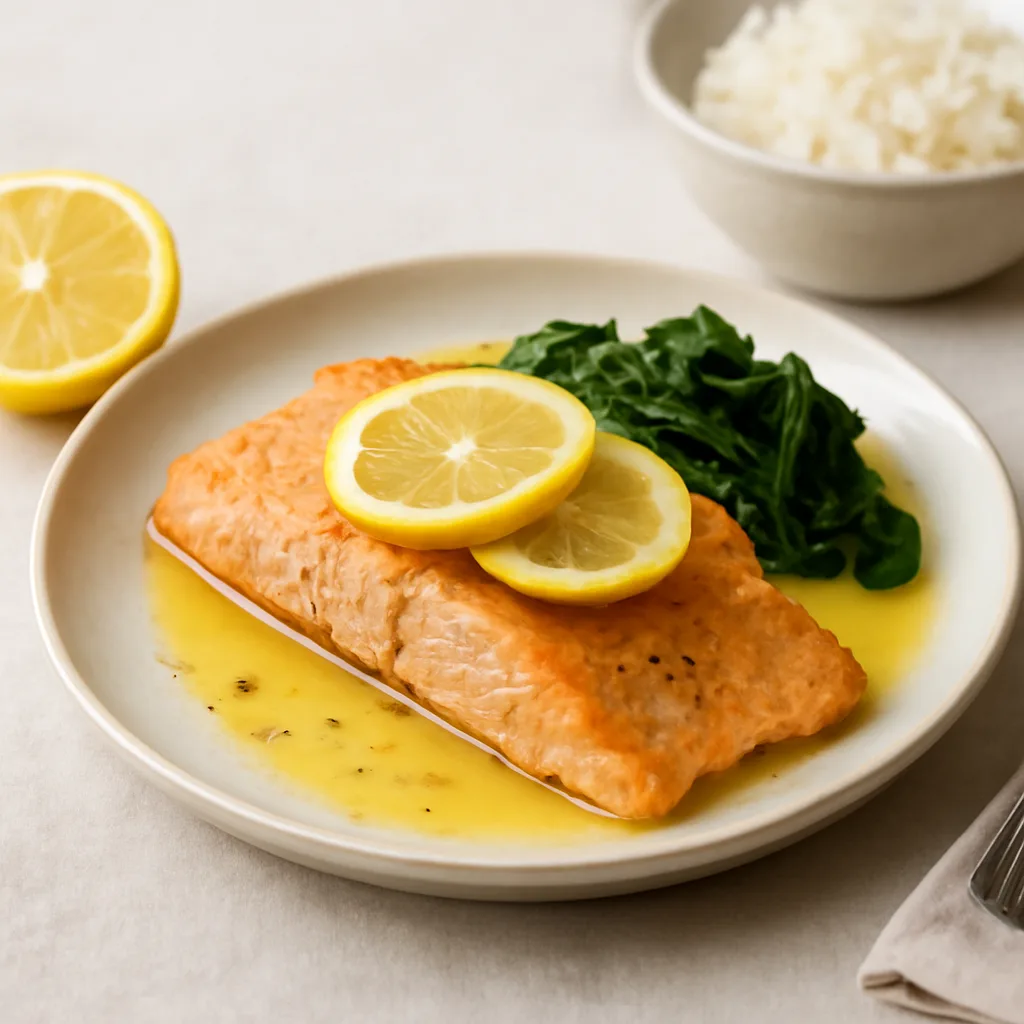
- Finish with a squeeze on grilled fish, shrimp, chicken, or roasted vegetables. Adding before serving enhances aroma, but in dishes already using a lot of vinegar or wine, it’s better to reduce the amount.
- Lemon zest is used to add aroma to cakes, cookies, creams, yogurt, and sugar syrups. Dried zest distributes aroma evenly in dough, but if the white part is ground, bitterness may remain in desserts.
- Lemon juice is used in small amounts for dishes with rich flavors like pasta, risotto, and soups that contain butter, cheese, or cream. It’s easy to adjust the needed acidity by adding it in one or two portions right before finishing.
نصائح التحضير
- Rinse under running water and dry before use. When using the zest, grate only the yellow outer layer with aroma, avoiding the white pith.
- If you need to extract a lot of juice, let the lemon sit at room temperature briefly or roll it lightly on the countertop with your palm before cutting in half. Avoid squeezing too hard to prevent bitterness from the pith; strain the seeds and squeeze just enough.
- Do not add lemon juice all at once; add in small amounts. If the flavor is already sufficiently sharp, balance with salt, fat, sweetness, or spices rather than adding more lemon.
- When using thin slices for grilling or drinks, remove the seeds. Seeds left in can be inconvenient to eat and may taste bitter with time.
خصائص عند الطهي
- The acidity of lemon juice remains when heated, but the fresh aroma of the zest weakens the longer it boils. For sauces or soups where aroma is important, use less at the start and add after turning off the heat.
- Acidity can affect dairy or egg-based mixtures. If lemon juice causes the mixture to split into curds in a cream sauce when added all at once, lower the heat or turn off and whisk in a small amount of sauce to temper temperatures before adding.
- Leaving lemon juice on fish or seafood for too long can firm the surface and make it opaque. Short finishing acidity is suitable, but if you need to marinate delicate ingredients for a long time, limit the amount and time.
- Baking or boiling lemon zest at high heat can bring out bitterness more than aroma. If the goal is roasted aroma, roast thick slices briefly and remove before eating, or add zest at the finish.
تركيبات مناسبة
- Lemon pairs well with fatty ingredients like olive oil, butter, cream, and cheese. If the sauce feels heavy, add a small amount of lemon juice and check if more salt is needed.
- Pair with fresh herbs like parsley, dill, basil, and mint to brighten the aroma. If the herbs are delicate, use very little lemon zest to avoid overpowering the aroma.
- Using with garlic, pepper, capers, and mustard creates a bright contrast for fish or chicken sauces. If many acidic ingredients like vinegar, pickles, or tomatoes are already present, prefer using lemon mainly as zest to maintain balance.
- Strawberries, blueberries, and peaches pair to brighten sweetness. If the fruit is not very sour enough or sweetness is weak, adjust sugar or syrup rather than overusing lemon juice.
نقاط يجب مراعاتها عند الاستبدال
- Lemon juice can be replaced with lime juice in savory dishes, but lime has a more exotic, slightly bitter aroma. It’s a good substitute for seafood or Mexican/ Southeast Asian dishes where lime flavor fits, but it may not replicate lemon-forward desserts.
- To balance acidity, white wine vinegar or apple cider vinegar can be used with water in small amounts. Vinegar is sharper and lacks juice aroma, so add at the final stage and adjust quantity to taste.
- When lemon zest is needed, lime or orange zest can be used, but the aroma direction changes. For light, bright notes opt for lime; for a sweeter, round citrus aroma fitting baked goods or sauces, choose orange.
- In dishes needing both lemon juice and zest, fully replacing with one substitute is difficult. A more practical approach is to replace acidity with vinegar or other citrus juice, and aromatic notes with other citrus zest or herbs.
المكونات التي تستخدم غالبًا مع الأطعمة الفعلية
يتم تجميعها بناءً على عدد مرات ظهور المكونات الرئيسية للأطعمة العامة المسجلة في CookPagoda.
الأطعمة التي تحتوي على هذه المكونات
نقدم لك الأطعمة التي تحتوي على هذه المكونات كمواد رئيسية مرتبة حسب عدد المشاهدات.