Encyclopédie des ingrédients
Découvrez les caractéristiques des ingrédients et comment les utiliser en cuisine.
배추
1
3
Cabbage is a vegetable eaten with layered leaves and a firm stalk; raw it is crisp and when cooked it becomes soft with a noticeable sweetness. The leaves lose their bite quickly, while the white stalk contains more moisture and takes longer to cook, so staggering the timing of adding them in the same dish helps match textures. In soups, stews, hot pots with broth, cabbage absorbs stock and seasoning, adding gentle sweetness. When stir-frying or grilling, if left on high heat for too long, it releases a lot of water and can become soggy, so cook in a wide pan in batches or start with the stalk first to keep texture. Outer leaves have stronger aroma and texture and are well suited for broth dishes or wraps, while inner leaves are tender and sweet, making them good for salads or light tosses. However, cabbage with a lot of moisture requires moisture control rather than being used as the sole main ingredient in crisp-fried dishes or dishes reduced with a thick sauce.
Goût et texture
Raw cabbage features a clear, delicate sweetness, a fresh vegetable scent, and a cool, crisp bite from the stalk. Leaves are thin and flexible, but the stalk is thick and very moist, giving a more pronounced chewing sensation. When heated, the grassy note fades and sweetness and tenderness increase. Overcooked cabbage becomes very soft, almost dissolving into the broth with natural sweetness, though the crisp texture is hard to maintain.
Principales utilisations
- Cabbage is a key ingredient in kimchi, salted to regulate moisture and texture, then pickled with seasonings and cooked.
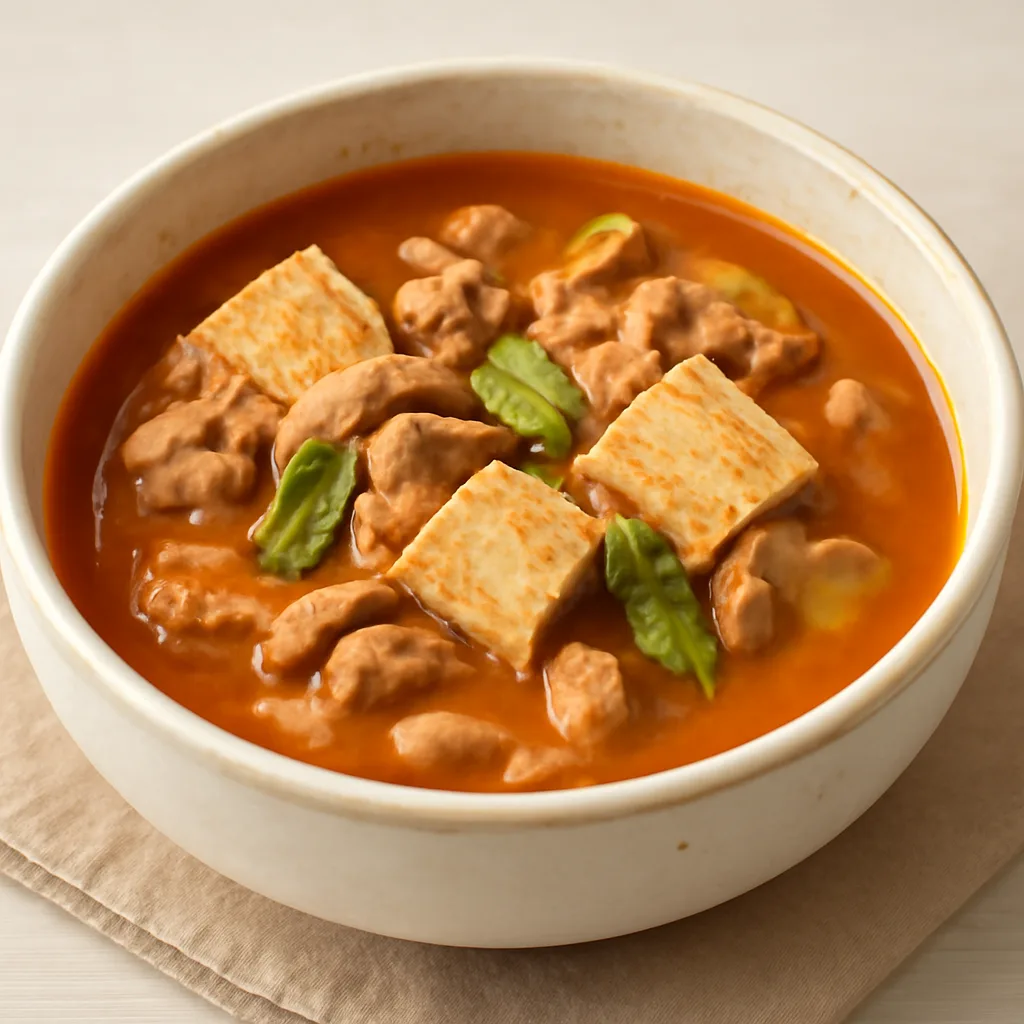
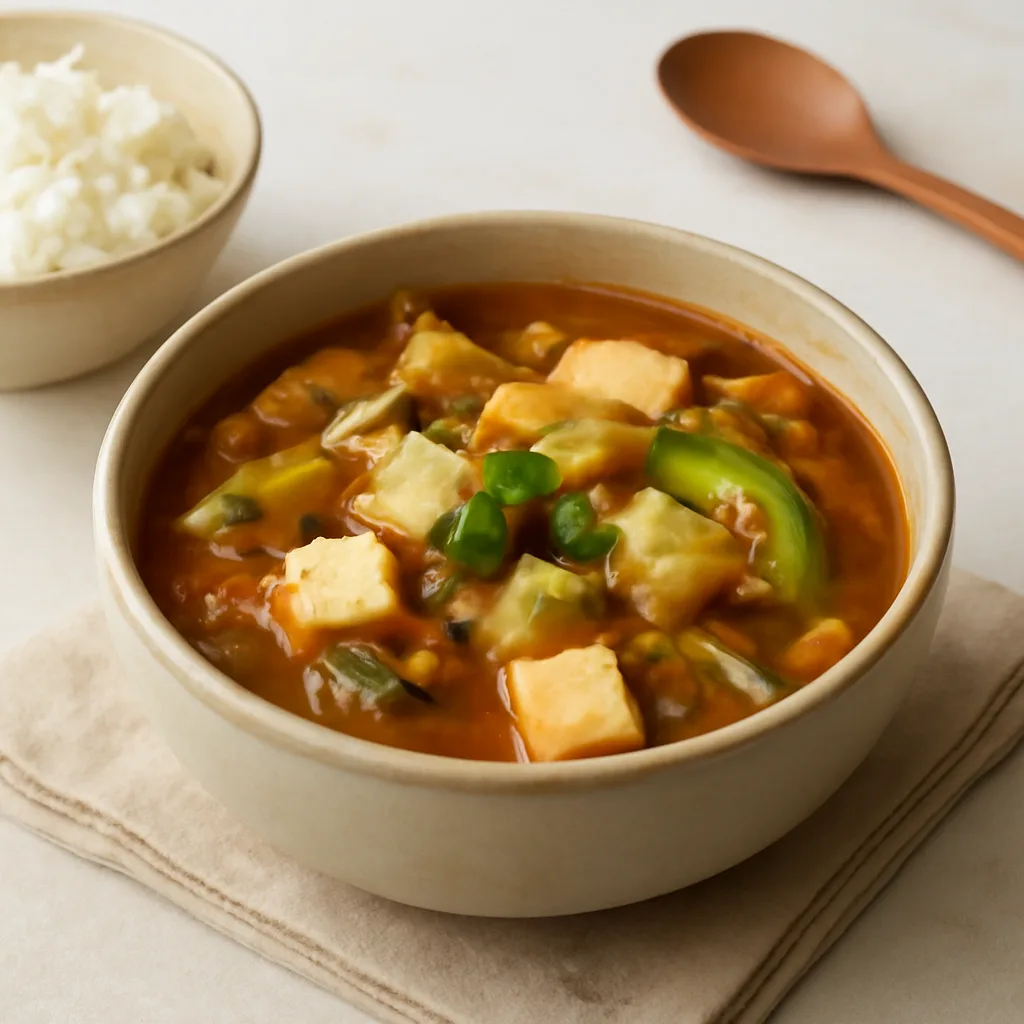
- In doenjang soup, cabbage soup, stews, and hot pots, large pieces are added to soften the broth and provide substance.
- Fresh leaves are used for wraps with pork or boiled meat, while the thicker stalks can be folded or cut to be eaten conveniently.
- For stir-fry, namul, or salads, it is lightly cooked or lightly pickled. If the finished plate has a lot of moisture, the pan is likely overcrowded or the cabbage was cooked too long, so adjust the amount next time.
Conseils de préparation
- Trim the root, then separate the leaves and rinse under running water, paying special attention to soil or debris left inside the stalk. After washing, drain well to reduce surface moisture for less water during stir-frying.
- For broth dishes, cut stalk and leaves into roughly the same size; the thick stalks should be sliced a bit smaller. If the stalk still feels firm, add it first, and add the leaves just before finishing to prevent them from getting too soft.
- For recipes that require pickling, spread leaves so salt reaches the thick portions of the cabbage. After pickling, if it is too salty or limp, rinse, wring out moisture, and reduce pickling time or salt amount next time.
- When using raw, choose pale yellow and tender inner leaves for a soft texture. Conversely, sturdy outer leaves are more suitable for hot dishes like soups or blanching.
Caractéristiques lors de la cuisson
- Cabbage releases moisture quickly at the start of cooking. When the sizzling sound in the pan is overtaken by the boiling sound and the ingredients start to submerge, increase the heat slightly to evaporate moisture or stir-fry in batches.
- In broth, texture softens and sweetness spreads the longer it simmers. For hot pots that require a chewy bite, cook the stalks first and add the leaves just before eating.
- Stir-frying on high heat for a short time can yield a light brown edge and a toasty aroma. However, if oil is sparse or the pan is narrow, evaporation of moisture occurs before browning, so a wide pan is preferable for a desired toasty scent.
- If you add salt or seasoning too early, moisture will be drawn out from the cabbage, making the dish bland. In stir-fries, season after some wilting, and in broth-based dishes adjust at the end considering other salty ingredients.
Combinaisons recommandées
- Garlic, scallions, miso, and chili powder—ingredients with a distinct aroma—enhance the cabbage’s gentle sweetness and complement its fresh scent.
- When paired with pork, beef, tofu, or mushrooms, tender cabbage soaks up fat and umami, pairing well with hot pots and stews.
- If lightly dressed in sesame oil and seasonings, blanched cabbage works well, but using too strong sesame oil can mask cabbage’s clear taste.
- When using salted umami ingredients like shrimp paste or fish sauce, account for moisture released by cabbage during cooking and start with less.
Points à considérer lors du remplacement
- If you need the soft sweetness and leafy texture of cabbage in soups or hot pots, substitute with bok choy, winter lettuce, or choy sum. Bok choy has firmer stalks and a slightly different aroma, so adjust cooking time accordingly.
- For stir-fries, cabbage is a practical substitute, but it is denser and its sweetness may differ, so adjust timing or sauté a bit longer or thinner slices.
- In kimchi-style pickling or fermentation-based cooking, substitution ingredients vary in moisture and leaf thickness; adjust pickling time and seasoning instead of swapping leaf types in the same ratio.
- For wraps, you can use lettuce or perilla leaves, but this shifts flavor and texture away from cabbage’s crisp, mild role.
Ingrédients souvent utilisés ensemble dans les plats réels
Basé sur le nombre d'apparitions simultanées des ingrédients principaux des plats publics enregistrés sur CookPagoda.
Plats contenant cet ingrédient
Nous affichons les plats où cet ingrédient est un ingrédient principal, classés par nombre de vues.