Encyclopédie des ingrédients
Découvrez les caractéristiques des ingrédients et comment les utiliser en cuisine.
돼지고기
4
5
Pork can yield very different results depending on the cut and fat content. Fatty parts like pork belly are great for grilling and pan-frying to bring out a rich, savory flavor and moisture. Cuts with more lean meat such as shoulder and leg are well suited for ground meat, stews, braises. Shoulder with a mix of fat and meat can be used broadly for both grilling and frying. Choosing a cooking method that matches your desired texture is important. Thinly sliced meat cooks quickly over high heat to keep it tender, while larger chunks with connective tissue benefit from moist, slow cooking to become much more tender. Conversely, leaving lean cuts on high heat for a long time can cause them to lose moisture and become dry, so it’s better to remove from heat as soon as they’re cooked when stir-frying. Pork goes well with strongly flavored seasonings like soy sauce, doenjang, gochujang, garlic, and ginger, and using ingredients with acidity or moisture such as kimchi or radish helps balance flavors. For richer dishes, add vegetables or tangy sides to offset the fat, and for milder cuts, complement with oil or sauce for practicality.
Goût et texture
Cooked pork is savory and umami-rich, with richer flavor and a soft mouthfeel the fattier the cut. Lean cuts tend to be milder in taste, but can become firm and dry if overcooked. Texture is greatly influenced by the direction of slicing and cooking time. Slicing across the grain makes it easier to chew, and in stews or braises, more time and moisture can soften tougher tissues.
Principales utilisations
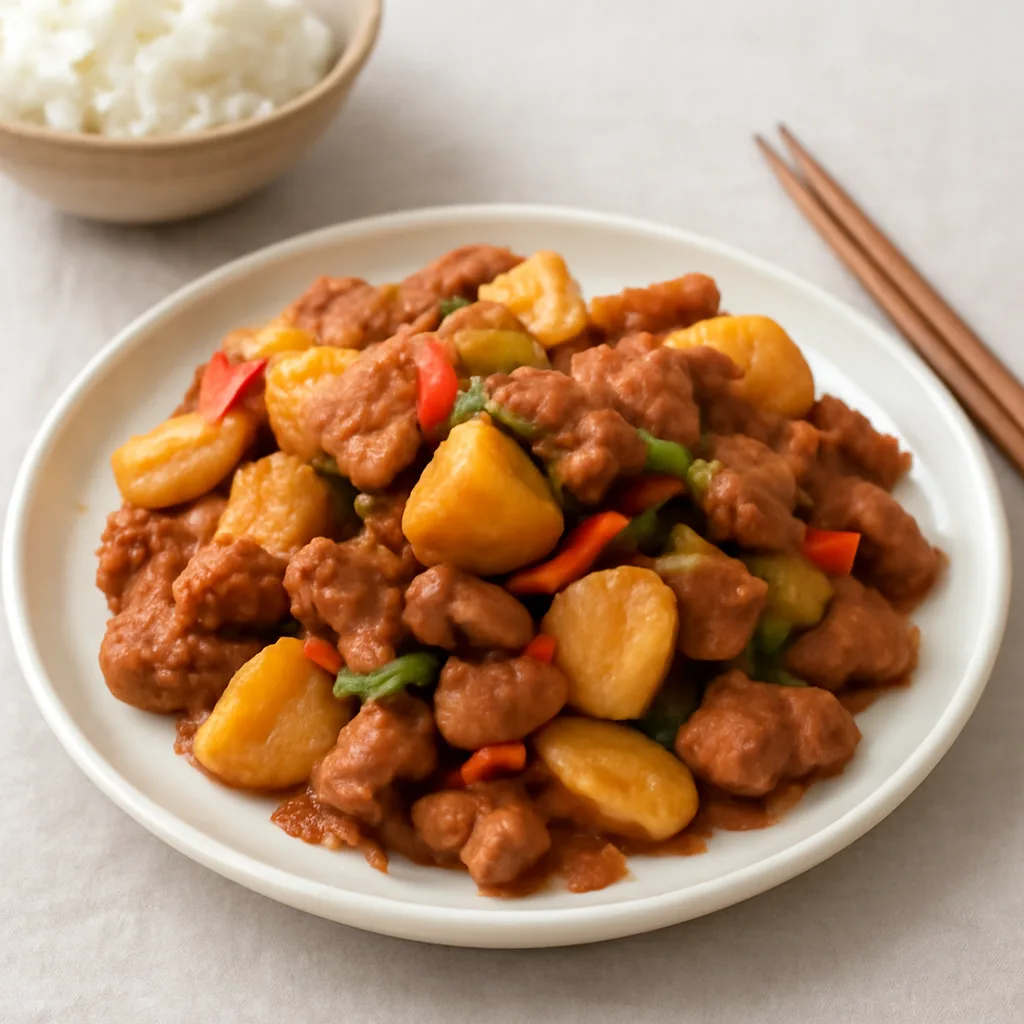
- Thinly sliced pork is used for spicy stir-fries like true pork bulgogi, skillet fried dishes, and kimchi fried rice, where high heat cooks meat quickly. If the pan isn’t hot enough, meat will release water and lose color and aroma, so it's best to cook in small portions.
- Minced pork is used for dumpling fillings, meatballs, fried rice, and sauces. Ground pork with too little fat can be dry, so consider including moisture-rich vegetables, tofu, or a bit of fat.
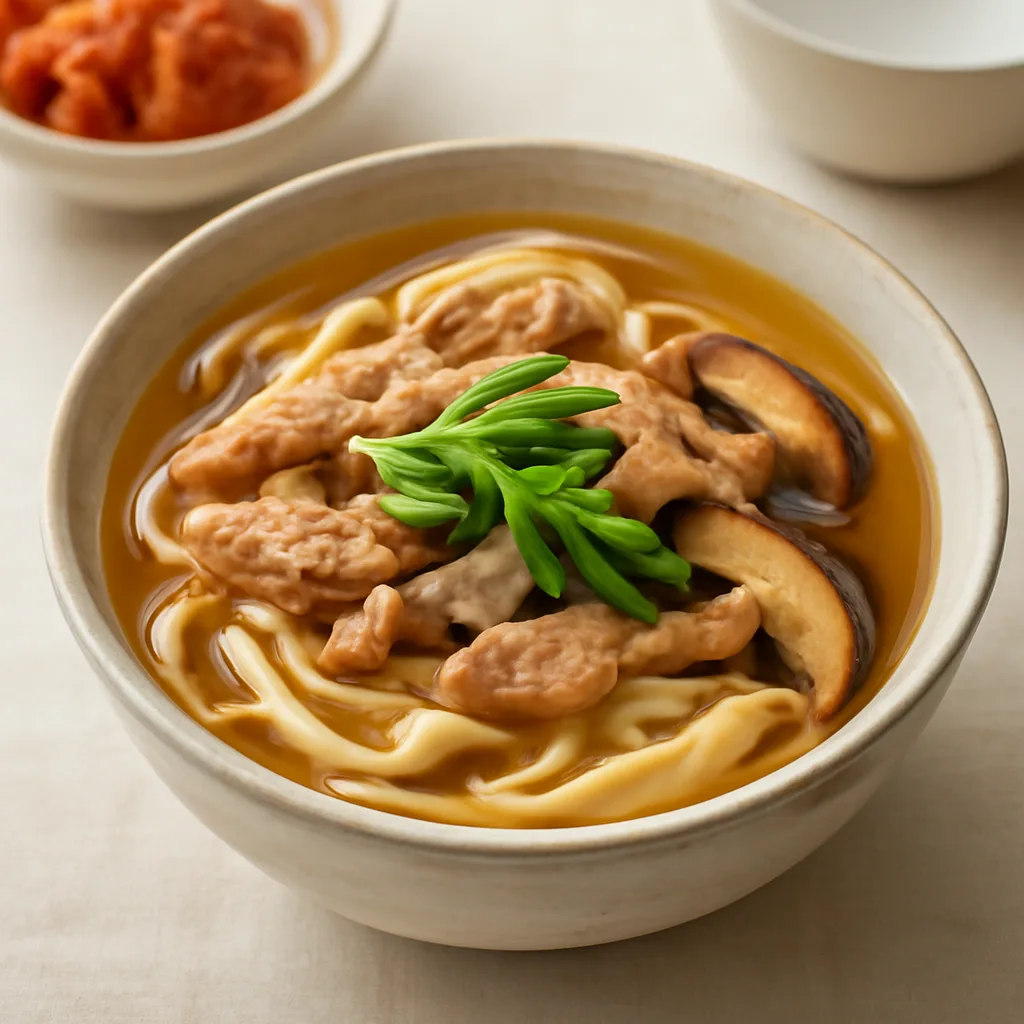
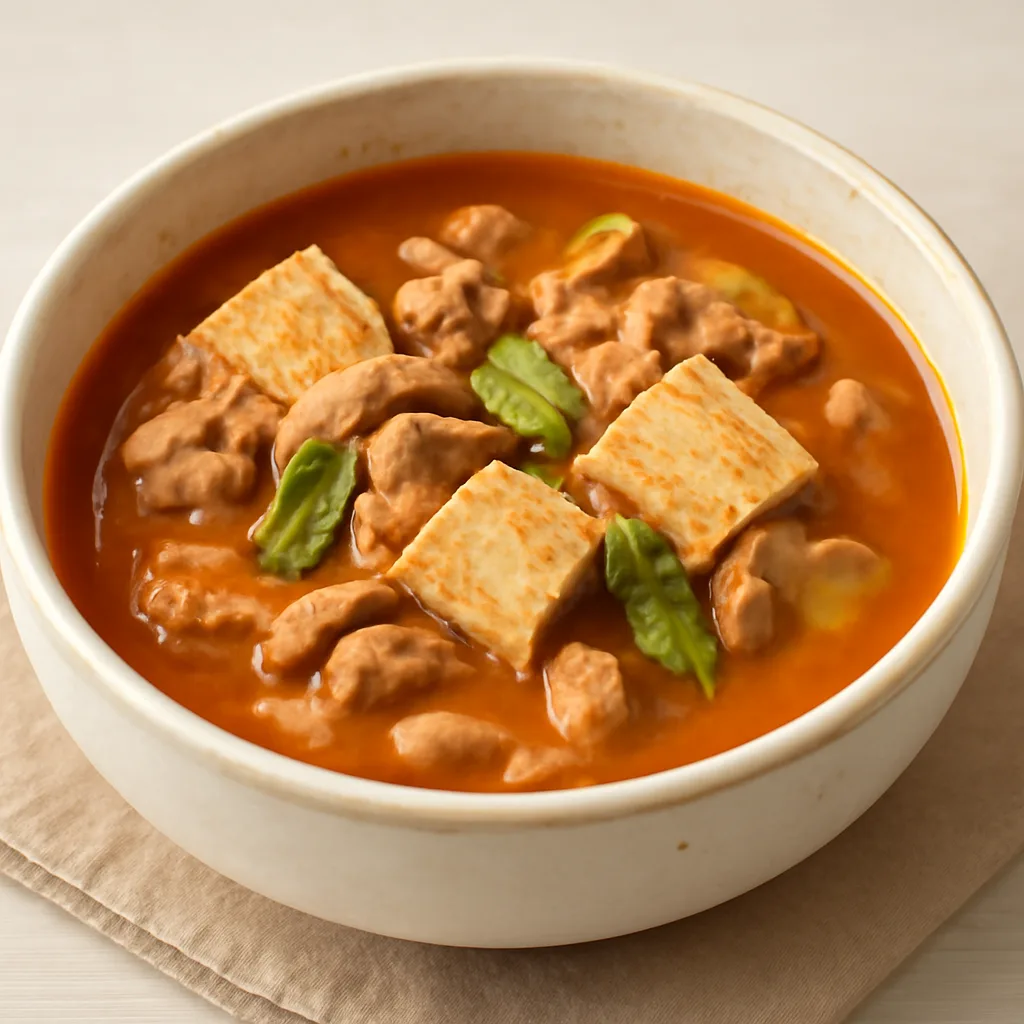
- Chunky pork is well-suited for kimchi jjigae, doenjang jjigae, bo ssam, and braises that cook with broth or steam. When the meat is cut too small for soups, it can disintegrate during long simmering, so cut to a size appropriate for the cooking time.
- Fatty cuts suitable for grilling can be grilled with only salt and pepper or seasoned with soy sauce or gochujang. Sweet sauces tend to darken quickly, so add them later or adjust the heat accordingly.
Conseils de préparation
- Gently press and wipe surface moisture with a paper towel to help browning when grilling or frying; excess moisture can cause the meat to steam rather than sear.
- For grilling or stir-frying, cut meat across the grain just before cooking to reduce toughness. If the meat is already thinly sliced, shorter marinating times help preserve its shape.
- Garlic, ginger, pepper, and soy sauce are commonly used to enhance the pork’s nutty flavor. However, marinating for too long in sauces with high soy sauce or salt can harden the surface and make it feel salty, so marinate thin cuts briefly or add seasoning in portions during cooking.
- For stews or braises, brown the meat first to develop aroma, then add liquid. If you want a clear, light broth, this step may add oil and browned aroma, so boiling directly can be more suitable.
Caractéristiques lors de la cuisson
- When frying, fatty cuts render their own fat and the edges become golden. If there is too much rendered fat and the meat seems to fry, drain some fat and finish with vegetables or seasonings.
- Cooking too much at once over high heat lowers the pan temperature and traps moisture. If the surface doesn’t brown and a gray broth appears, divide the portions or briefly raise heat to evaporate moisture.
- In broths or braises, tougher cuts can become tender with slow cooking, but lean small pieces can dry out and toughen the longer they simmer, so add them late according to the cut.
- Sugary sauces darken quickly when heated. If the sauce starts to blacken on the pan bottom, lower the heat and add a small amount of water or stock to prevent burning.
Combinaisons recommandées
- Vegetables with moisture or bright acidity such as kimchi, radish, cabbage, and chives help balance the richness of fatty pork. For fatty cuts like pork belly, pair with fresh vegetables or pickled side dishes; for lean stir-fried pork, add onions or mushrooms to bring sweetness and moisture.
- With miso, gochujang, and soy sauce, adding garlic and ginger creates a deep aroma. For lean boiled meat or clear broth where ginger is overpowering, reduce the amount and enhance aroma with scallions or pepper.
- Tofu, potatoes, and mushrooms are good companions in stews and braises for absorbing pork flavors. Be careful with tofu as it can break apart if simmered too long; add it toward the end and just simmer briefly.
Points à considérer lors du remplacement
- Substitutes depend on whether you want a fatty, rich flavor or a tender meat texture. If you need the pork’s nutty fat for grilling, shoulder is a relatively close substitute, but note that using the same cooking time may make it feel drier.
- Minced pork can be replaced with ground beef or ground chicken, but flavor and fat content will differ. When using ground chicken, if it looks dry, add a little extra tofu, chopped vegetables, or a bit of oil to restore moisture.
- In stews and braises, you can use beef or chicken instead of pork, but matching cooking times and seasoning strength can be difficult. Chicken cooks faster, so for long-simmered pork methods, add it later.
- For dishes where pork’s distinctive nuttiness is the centerpiece, a perfect substitute is hard to find. In this case, instead of swapping to another meat, adjust marinade, accompaniments, and cooking time to fit that meat more naturally.
Ingrédients souvent utilisés ensemble dans les plats réels
Basé sur le nombre d'apparitions simultanées des ingrédients principaux des plats publics enregistrés sur CookPagoda.
Plats contenant cet ingrédient
Nous affichons les plats où cet ingrédient est un ingrédient principal, classés par nombre de vues.