قاموس المكونات
تحقق من خصائص المكونات وكيفية استخدامها في الطهي.
جمبري
2
4
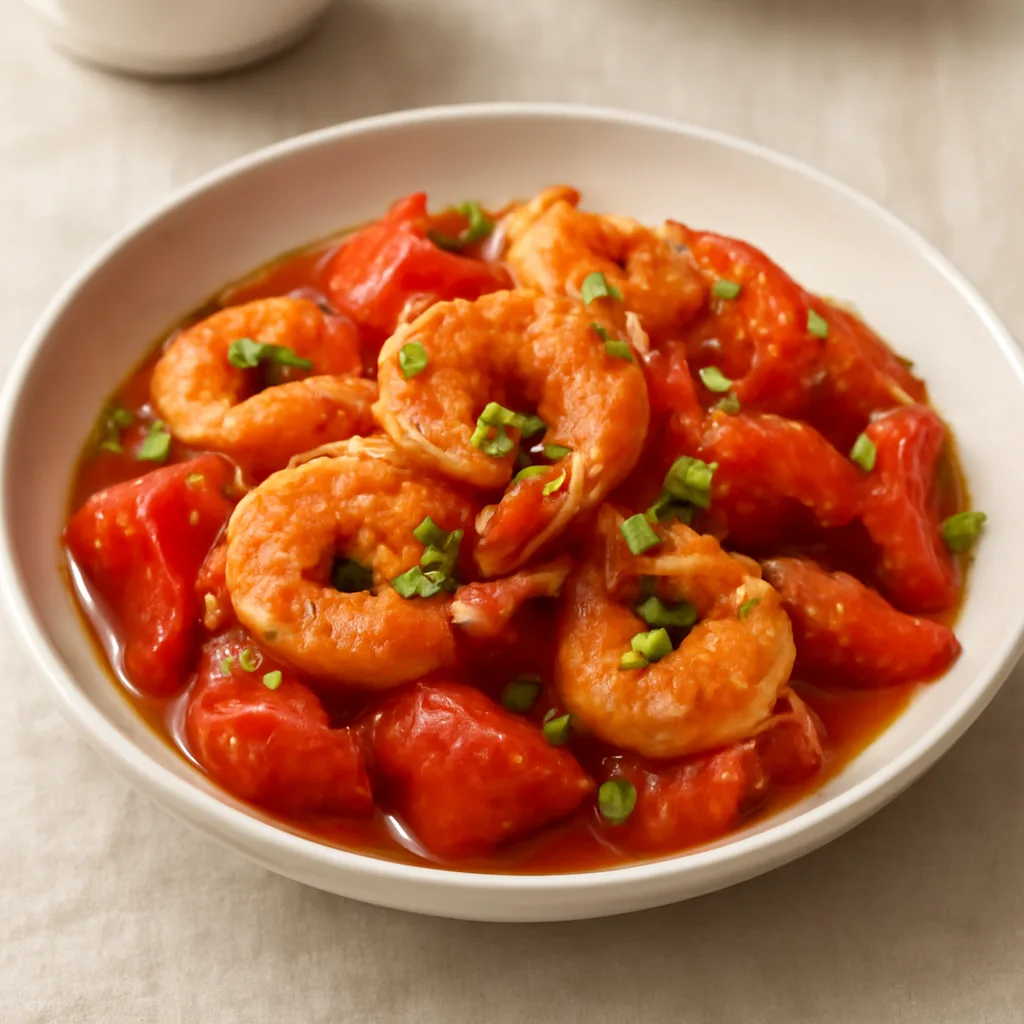
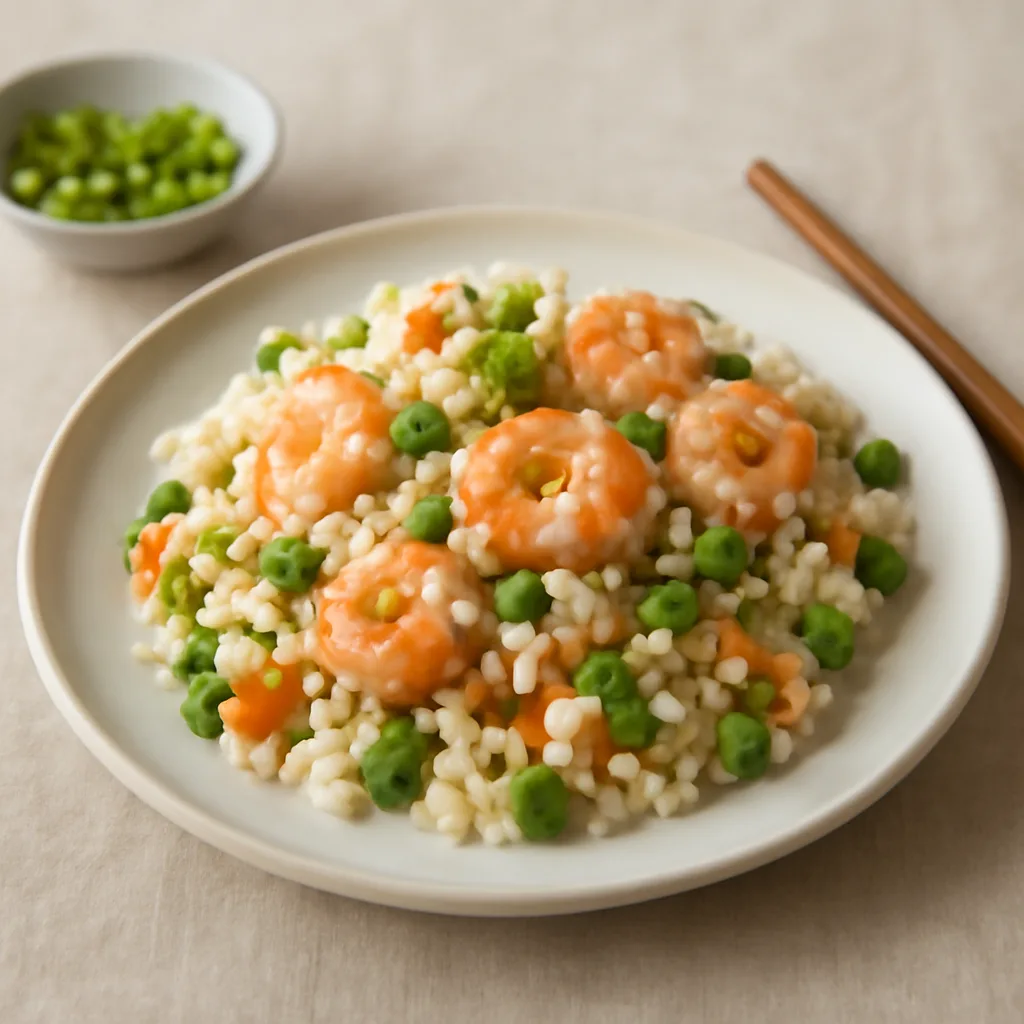
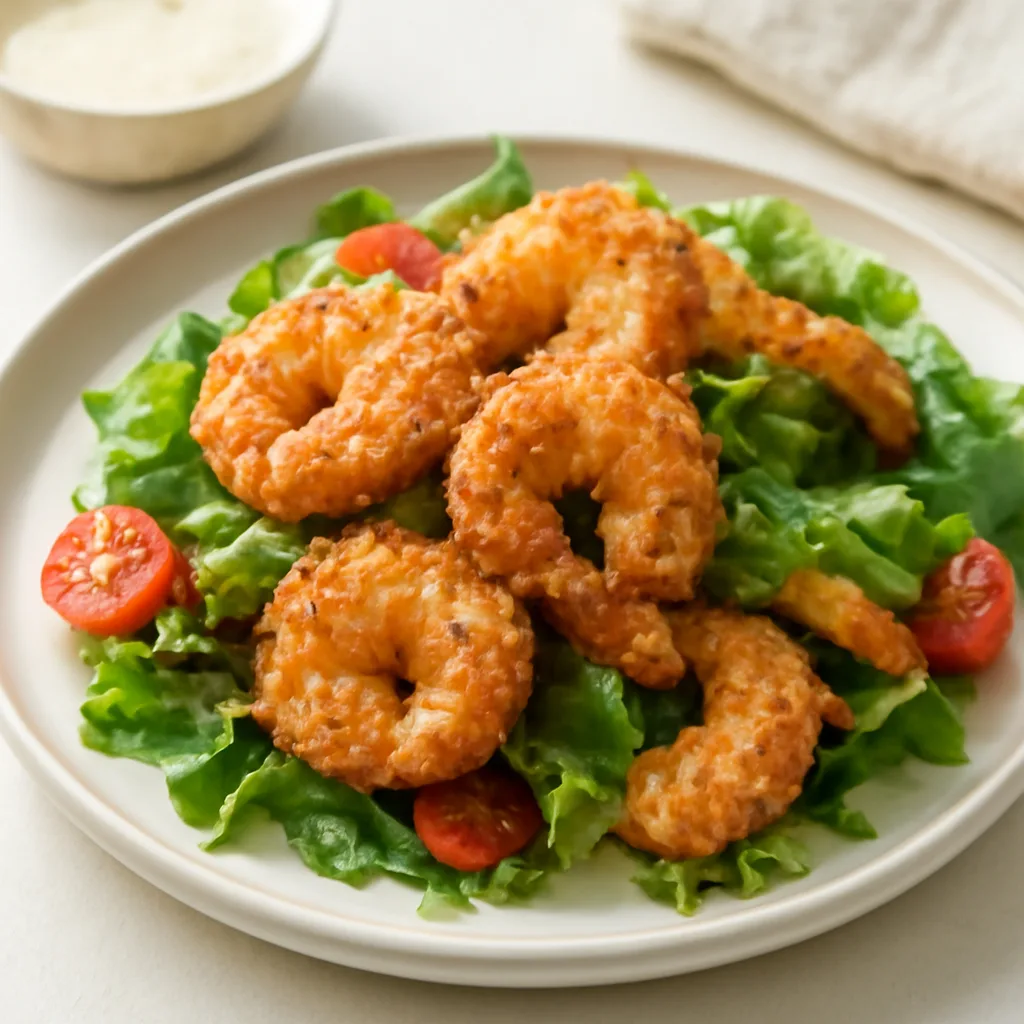
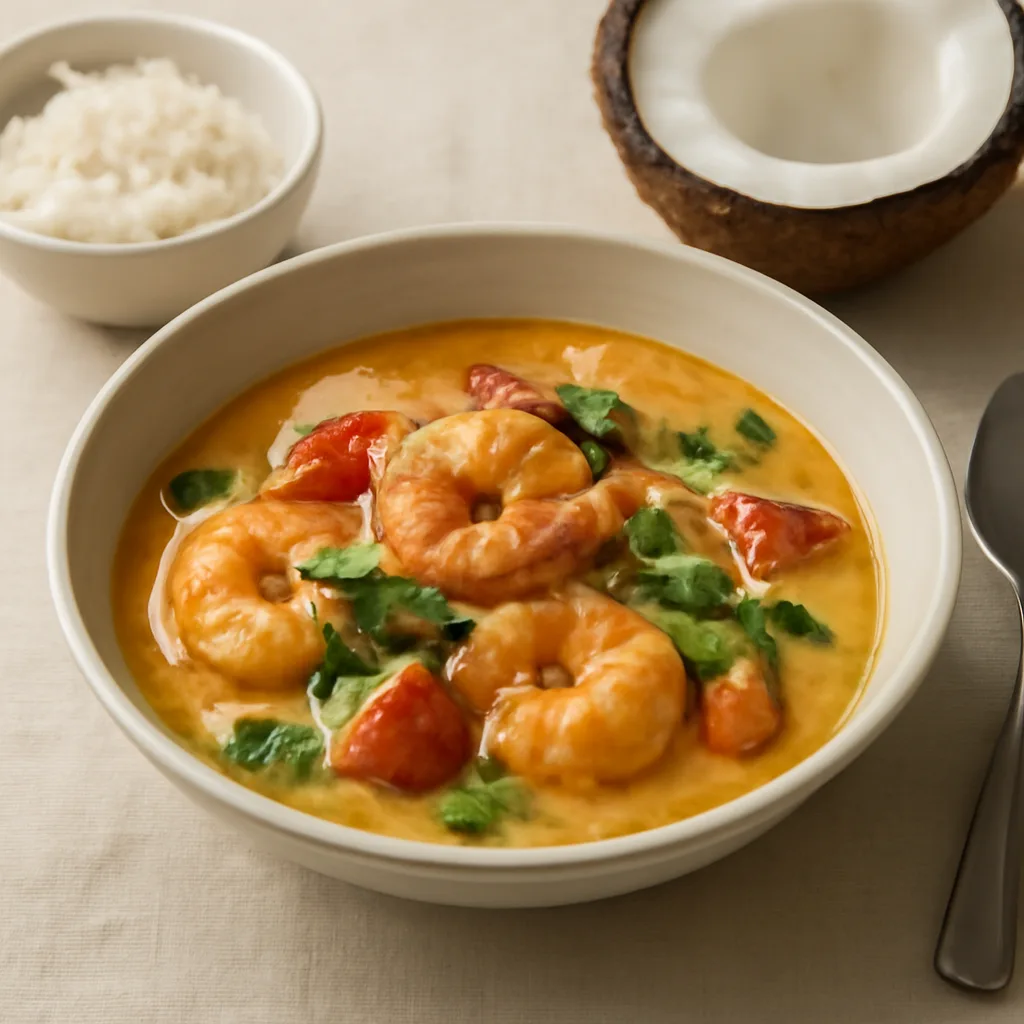
Shrimp can be prepared in various ways, such as removing shells and heads to use the meat, or grilling with the shell for extra aroma, and the appearance changes significantly with method. It has a natural sweetness and umami, pairing with simple seasonings like salt, garlic, butter, as well as gochujang, soy sauce, tomato, and curry. It is good for frying, grilling, steaming, soups, jeon (savory pancakes), pasta, and salads. Since shrimp cooks quickly, it’s easy to keep texture by timing other ingredients first and adding shrimp last. Conversely, if you want to extract shrimp flavor into the broth, using the shell and head is more suitable. Cooked shrimp lose the opaque gray color and turn pink or orange, and the meat firms up with a resilient bite. If the shrimp curl too much and the surface looks tough, it may be overcooked, so lower the heat or reduce the cooking time in the next round.
الطعم والملمس
Shrimp meat has a gentle sweetness, a sea aroma, and a salty umami. Raw shrimp are moist and tender, but when cooked they become firm and elastic. Strong spices or smoked flavors can be absorbed, but too heavy sauces can mask the sweetness of shrimp. To highlight the delicate flavor, finish with lemon or herbs after a quick cook, and for rich-seasoned dishes, it's better to use larger shrimp to keep presence.
طرق الاستخدام الرئيسية
- Sauté briefly in garlic and oil for pasta, fried rice, or donburi as a protein ingredient. When added to the pan, its color changes quickly, so add it toward the end after vegetables or noodles are nearly done to prevent overcooking the shrimp.
- In soups, stews, or spicy noodle soups with broth, add the flesh at the final stage. If you want to enhance broth flavor, first sauté or simmer the shells and heads to release aroma, then strain and cook the meat separately for a short time.
- For skewers, buttered, or salt-roasted preparations, using relatively large shrimp makes turning easier and less likely to dry out. Cooking with the shell can intensify aroma, but eating may be cumbersome and the seasoning is less in direct contact with the meat.
- For pancakes or fried foods, pat the shrimp dry to coat with batter or flour. If surface moisture is high, the coating may puff or splatter grease, so dried shrimp with paper towels after thawing before use.
نصائح التحضير
- Thawing frozen shrimp slowly in cold water or in the refrigerator, then pat dry the surface. If lots of water remains after thawing, better to use in soups or very quickly cook on high heat after drying.
- Peeling shrimp and slitting the back to remove the black vein can make appearance and texture neater. However, for large quantities in fried rice or broth, trimming time may be long, so skipping is fine.
- If you want to cook shrimp flat on the grill or fry, make a few shallow cuts along the underside. Do not cut too deep to avoid the meat from splitting and losing moisture; just break the surface.
- For seasoning, lightly salt, pepper, garlic, and ginger just before cooking. If soaked in a salty liquid too long, moisture may be drawn out and shrimp may boil rather than fry.
خصائص عند الطهي
- Shrimp turn opaque and firm in a short time when heated. When one side is mostly colored, flip and finish cooking the remaining side, then remove from heat once the center is no longer translucent.
- High heat creates a roasted aroma on the surface, but if the pan is small and the shrimp are crowded, moisture prevents browning. For large batches, cook in batches or preheat the pan well and cook in small portions.
- Citrusy flavors like lemon juice, vinegar, or tomato sauce can brighten the shrimp, but adding too much too early lowers the pan temperature. For a roasted aroma, cook the shrimp first and add acidic ingredients at the end.
- In sauces based on milk or cream, avoid cooking the shrimp in the sauce for long. If you adjust the sauce thickness first, then add the shrimp for a brief cook to keep a firm texture.
تركيبات مناسبة
- Garlic, butter, olive oil, lemon, parsley, and dill pair to accentuate the shrimp’s sweetness. Add lemon closer to finishing rather than too early for a brighter aroma.
- Chili peppers, ginger, scallions, soy sauce, and sesame oil create depth for stir-fries and soups. When the soy sauce is rich, enough sweetness from sugar or sweet ingredients is not necessary because the shrimp’s own sweetness balances it.
- Asparagus, broccoli, zucchini, mushrooms, and tomatoes—vegetables that cook quickly or are easy to control moisture—pair well. For potatoes or hard root vegetables that take longer, pre-cook them and add shrimp later.
- Shrimp shells and heads release aroma that works well as a base for tomato, saffron-like spice, rice, or noodle dishes. In light, clear dishes, however, the shell aroma can feel too strong.
نقاط يجب مراعاتها عند الاستبدال
- For dishes where shrimp’s firm texture is important, consider other similar-sized shellfish such as scallops, squid, or white fish. Scallops may taste similarly sweet but are thicker and take longer to cook, so adjust to avoid overcooking like shrimp.
- If the goal is shrimp flavor in broth, use clams, crab-tish or other crustaceans or seafood stock. However, flavors and salinity can vary a lot, so adjust salt and liquid at the end.
- In spicy stir-fries or curries with heavy seasoning, firm tofu or mushrooms can be substitutes for texture. In this case, you won't reproduce the shrimp's ocean aroma and sweetness exactly, so if seafood flavor is central to the dish, adjusting the recipe rather than simple substitution is preferable.
المكونات التي تستخدم غالبًا مع الأطعمة الفعلية
يتم تجميعها بناءً على عدد مرات ظهور المكونات الرئيسية للأطعمة العامة المسجلة في CookPagoda.
الأطعمة التي تحتوي على هذه المكونات
نقدم لك الأطعمة التي تحتوي على هذه المكونات كمواد رئيسية مرتبة حسب عدد المشاهدات.