قاموس المكونات
تحقق من خصائص المكونات وكيفية استخدامها في الطهي.
حليب جوز الهند
4
7
Coconut milk is a liquid ingredient made by squeezing through finely ground coconut flesh with added water, featuring fat content and a subtle sweetness. It is commonly used to add body and creaminess to curries, soups, sauces, and desserts, rather than drinking like milk. When you open a can, a thick cream layer may be solid at the top with a thin liquid separated below. If you need a uniform and smooth sauce, shake or stir well, and if you want to sauté spices in oil to extract flavor, start with the thick cream layer and add the rest afterward. Coconut milk rounds the edge of flavors when used with acidic ingredients like tomatoes or citrus, or with spicy chilies and curry spices. However, it can make dishes heavy, so for clear broths or dishes with delicate herb-forward profiles, use only a small amount or consider a thinner coconut beverage.
الطعم والملمس
Nuts are savory and creamy, with a gentle coconut-specific sweet aroma. Since sweetness and density vary by product, sweetened coconut beverages are not ideal for salty coconut milk intended for curry. When heated, it gives shine and a full-bodied texture to sauces, but if simmered for a long time, the fat may separate, making the surface look oily. This isn’t necessarily a sign of spoilage—it can indicate emulsion breakdown, so gently stir on low heat to rebind the texture.
طرق الاستخدام الرئيسية
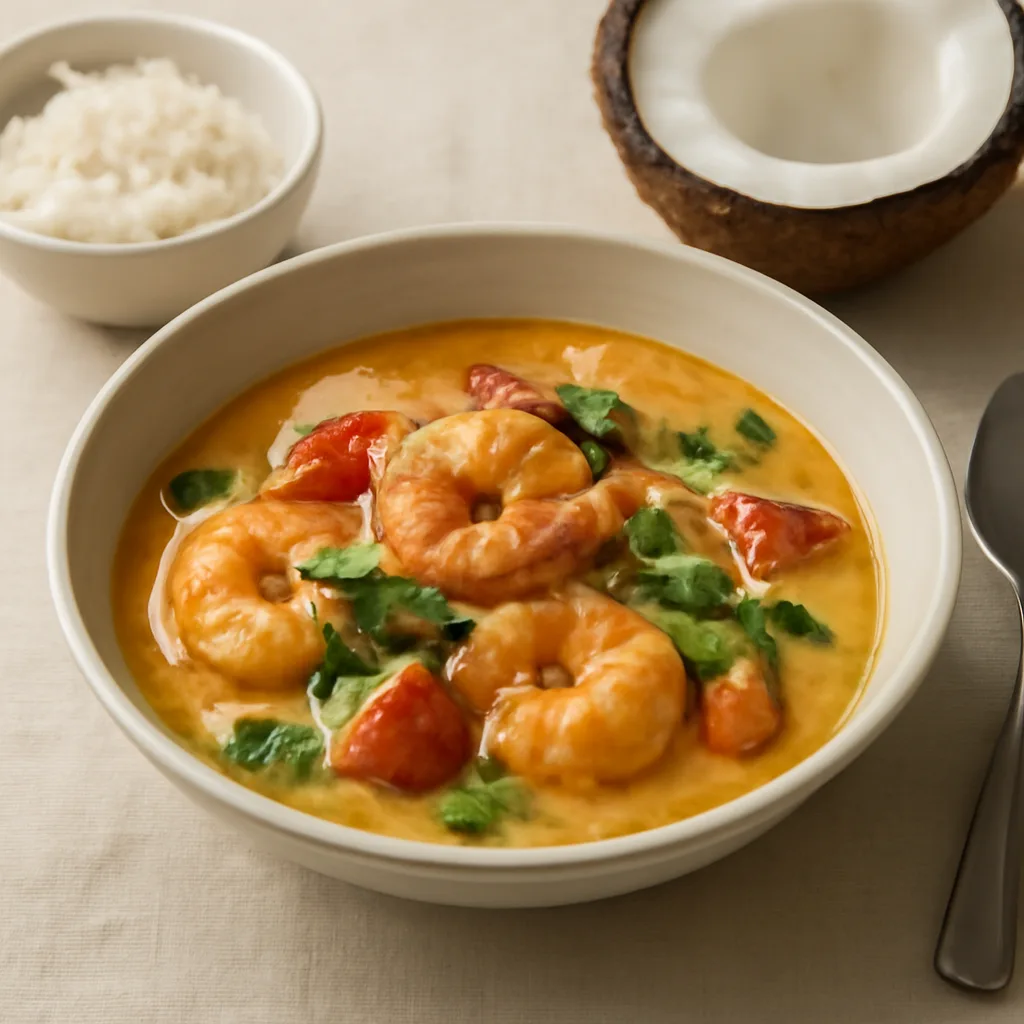
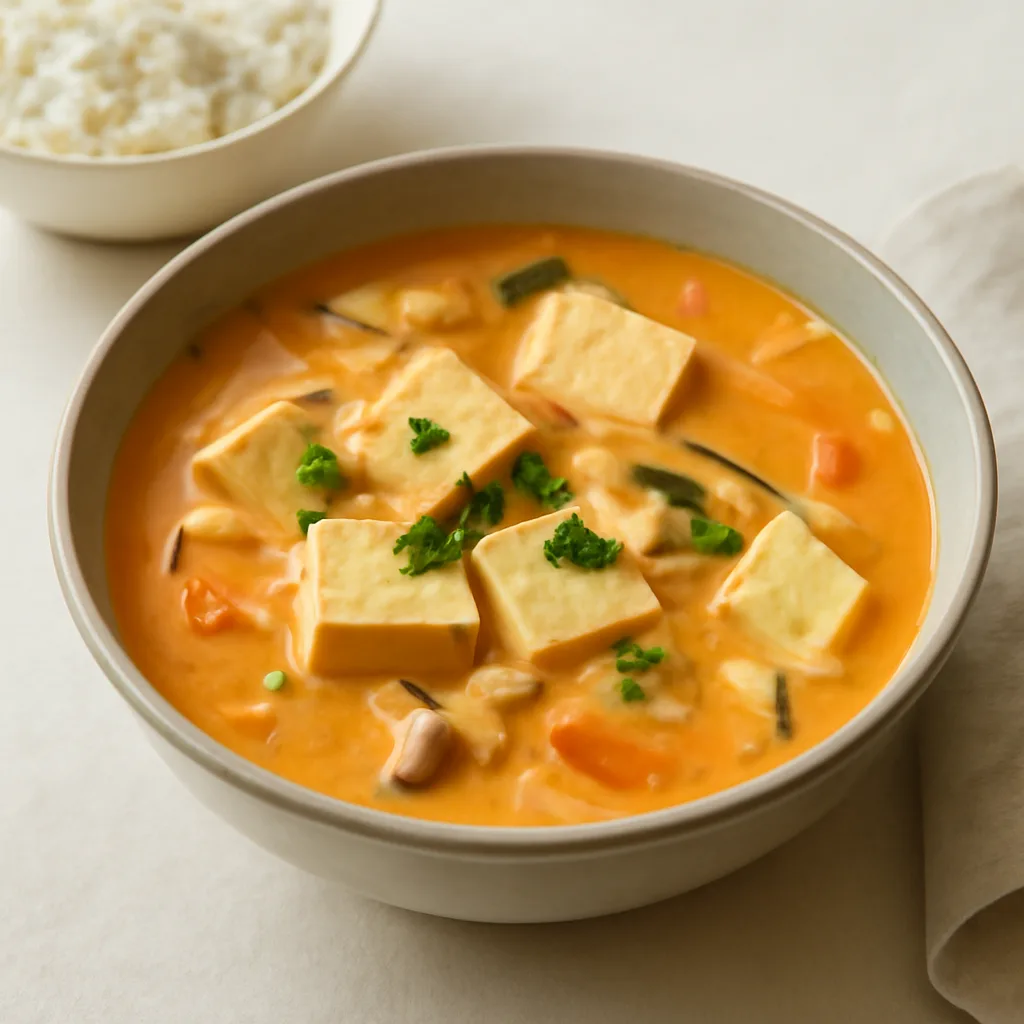
- Add to curries and stews to soften the spiciness and bitterness of spices and to thicken the broth. It pairs especially well with relatively bland ingredients like vegetables, chicken, and seafood, but can feel heavy in dishes already rich with butter or cheese.
- Use coconut milk to replace some of the broth or water in soups and sauces to add creaminess and nuttiness. Rather than replacing all at once, start by adding a portion, and if the coconut aroma covers the main ingredients, adjust the thickness with broth or water.
- Use in cold or soft desserts like puddings, tapioca desserts, and ice cream bases. If the product is not sweetened, sugar or other sweeteners should be adjusted separately.
- When cooking rice, use it as part of the cooking water, or use it as the liquid for simmering beans and vegetables. If the grains become too soft and oily, next time reduce the coconut milk and increase water or broth.
نصائح التحضير
- Shake the container before use to mix the contents. If the can’s cream layer is solid, leave it in warm water briefly and stir until smooth. In dishes where spices are fried, you can start by sautéing the thick portion of coconut milk briefly and then add the rest as it foams and deepens in flavor. If the sauce is too thin, rather than adding a lot of water from the start, add coconut milk first, then uncover and simmer gently to check thickness. If too thick, gradually supplement with water, neutral broth, or tomato purée according to the dish's direction. Acidic ingredients can be added after the coconut milk has come to a boil and flavors have settled somewhat. If lime juice or vinegar is added too early and becomes sharp, finish with small amounts added gradually.
خصائص عند الطهي
- Heating on low to medium heat helps fats and liquids mix for a smooth sauce. If the edges boil vigorously and an oily film forms on the surface, lower the heat and stir, adding small amounts of other liquids if needed.
- Simmering longer thickens the liquid and intensifies coconut aroma. It is advantageous for thick curries, but for seafood or delicate vegetables that cook quickly, reduce sauce to the desired thickness first and then add at the end.
- When heated with starch-containing sauces, it can stabilize into a thicker consistency. However, adding too much starch can yield a paste-like texture instead of the creamy softness of coconut, so add slightly thinned starch solution gradually.
- When cold fat lumps solidify in the fridge, heating will melt them, but rapid boiling on high heat may not fully smooth. The gentle method of stirring with a whisk while gradually warming is suitable.
تركيبات مناسبة
- Lemongrass, ginger, garlic, chilies, and curry spices pair with coconut’s sweetness to soften their strong impressions.
- Lime juice, tamarind, and tomatoes add acidity to help cut the richness. If acidity is too strong, coconut aroma may weaken, so adjust gradually at the end.
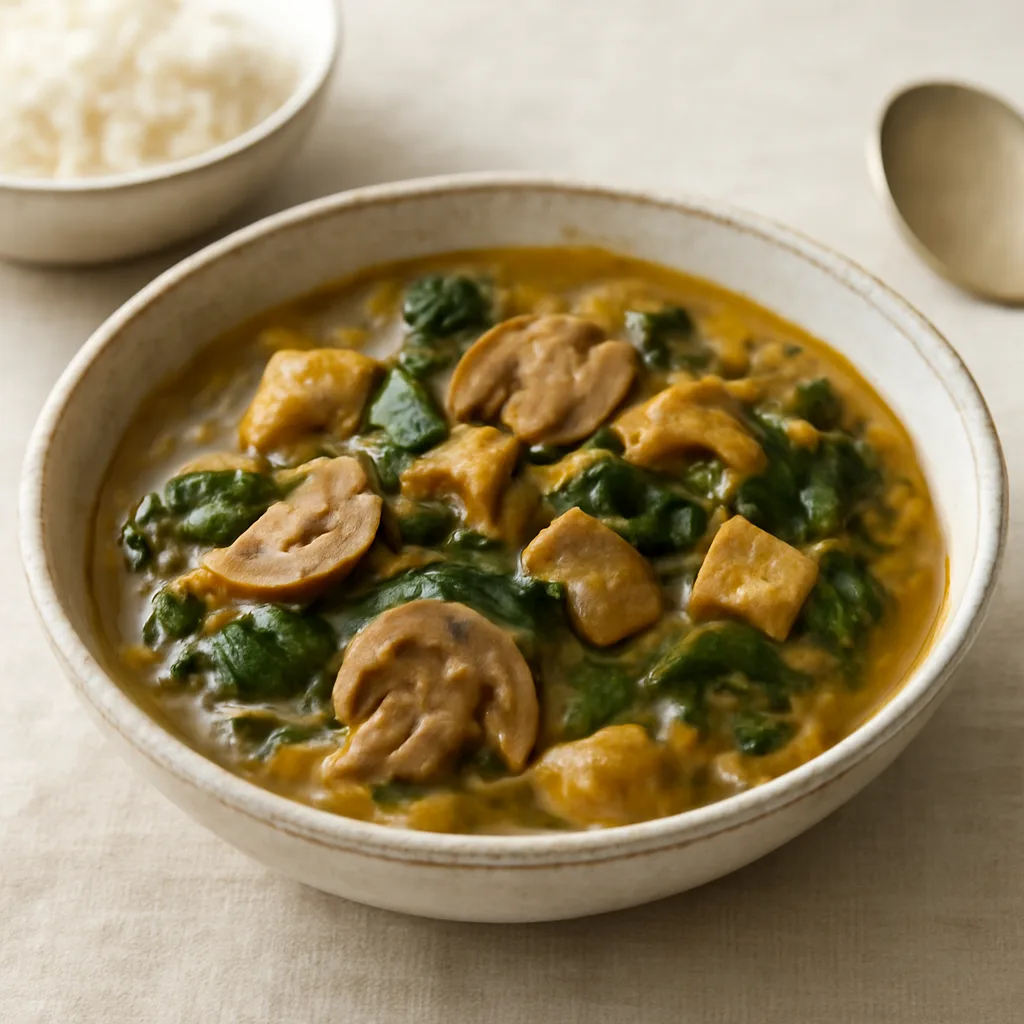
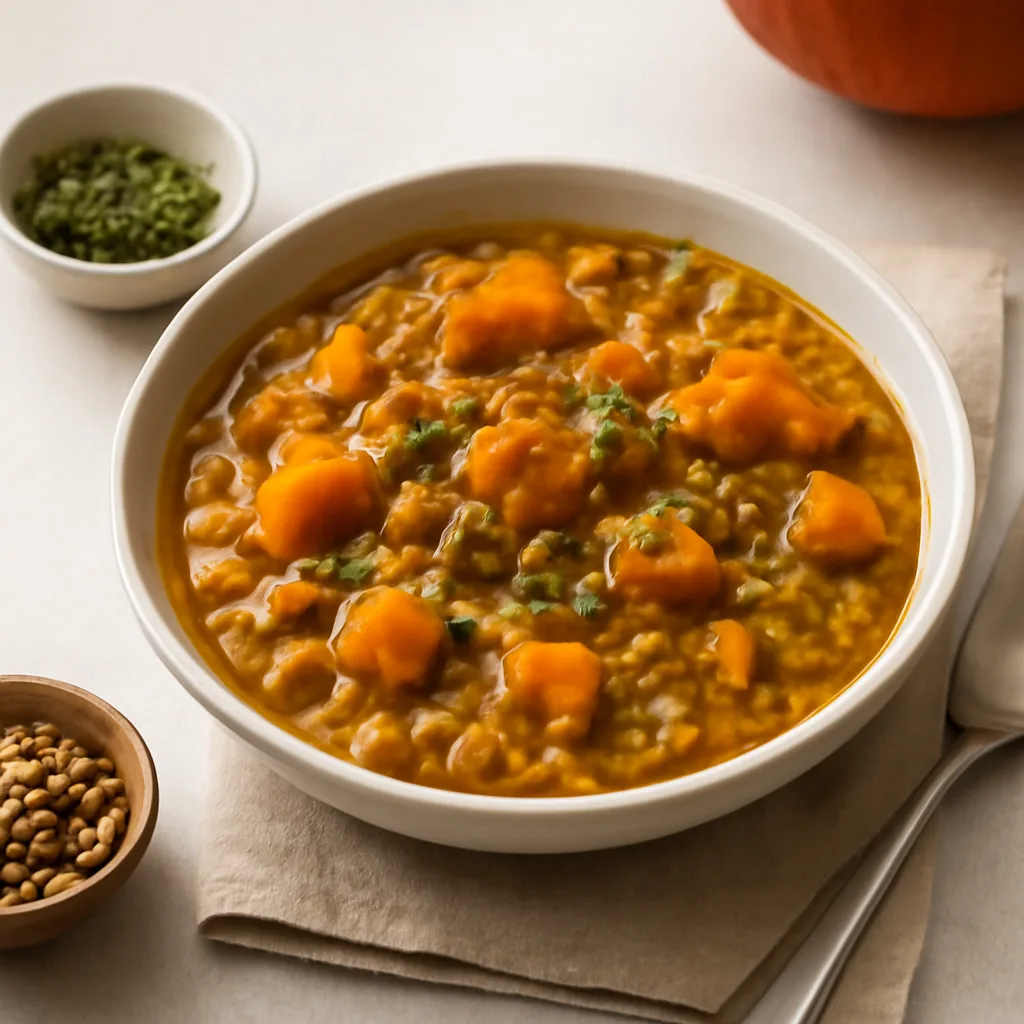
- Chickpeas, lentils, mushrooms, pumpkin, and eggplant — ingredients that absorb flavors well — help the sauce’s flavor come through.
- Cilantro, basil, and mint added at the end or as a finishing touch provide a fresh contrast to the heavy texture.
نقاط يجب مراعاتها عند الاستبدال
- If coconut aroma is needed for curry or soup, coconut cream can be diluted with water or broth as a substitute. Coconut cream is richer and fattier, so using the same amount can make the sauce too heavy.
- If the creaminess without coconut aroma is sufficient, use unsweetened heavy cream, half-and-half, or plant-based cream appropriate to the dish’s thickness. These substitutes won’t replicate the coconut aroma and gentle sweetness, so adjust lime, spices, and broth quantities accordingly.
- A thin coconut beverage may lack the fats and solids to directly replace dense coconut milk in rich curries. If used, reduce the water and simmer longer or use a separate method to adjust thickness to the dish.
- For desserts, substitutes greatly affect sweetness and texture. Replacing with milk or plant-based drinks changes flavor and body, so complete substitution may not be ideal for puddings or ice cream where coconut flavor is key.
المكونات التي تستخدم غالبًا مع الأطعمة الفعلية
يتم تجميعها بناءً على عدد مرات ظهور المكونات الرئيسية للأطعمة العامة المسجلة في CookPagoda.
الأطعمة التي تحتوي على هذه المكونات
نقدم لك الأطعمة التي تحتوي على هذه المكونات كمواد رئيسية مرتبة حسب عدد المشاهدات.