قاموس المكونات
تحقق من خصائص المكونات وكيفية استخدامها في الطهي.
توفو
15
24
Tofu is made by coagulating soy milk from ground soybeans and pressing out the water. It has a mild flavor and soft texture, and is widely used in soups and stews, pan-frying, braising, and salads. Because firmness varies by product, even the same tofu needs to be matched to the recipe. For dishes that need to hold shape in broth, choose firm tofu; for side dishes that gently coat with seasoning, choose softer tofu. Tofu itself has little aroma, but it absorbs flavors well when paired with distinctly scented seasonings like soy sauce, doenjang, gochujjang, and garlic. However, boiling for a long time or stirring roughly can cause it to break apart, so especially with soft varieties like silken tofu or medium-soft tofu, add at the end and handle gently. For stews or hot pots, cut it into large chunks so it can hold onto the broth flavor, and when pan-frying, pat dry the surface to form a golden crust. Using tofu that is too soft for frying makes it prone to tearing during flipping, so firmer tofu is more practical when a crispy texture is desired.
الطعم والملمس
Tofu has a mild soy aroma and a nutty, clean taste that supports the flavors of seasonings and broth. In dishes with light seasoning, its blandness can be an advantage, but when stir-fried or grilled without sauce, it may feel a bit dull, so sauces or aromatics are often paired. The texture is smooth and moist; silken tofu and soft tofu are so soft you could eat with a spoon, while firmer tofu is suitable for slicing and grilling. If you remove moisture enough, the surface browns better and the seasonings won’t thin out.
طرق الاستخدام الرئيسية
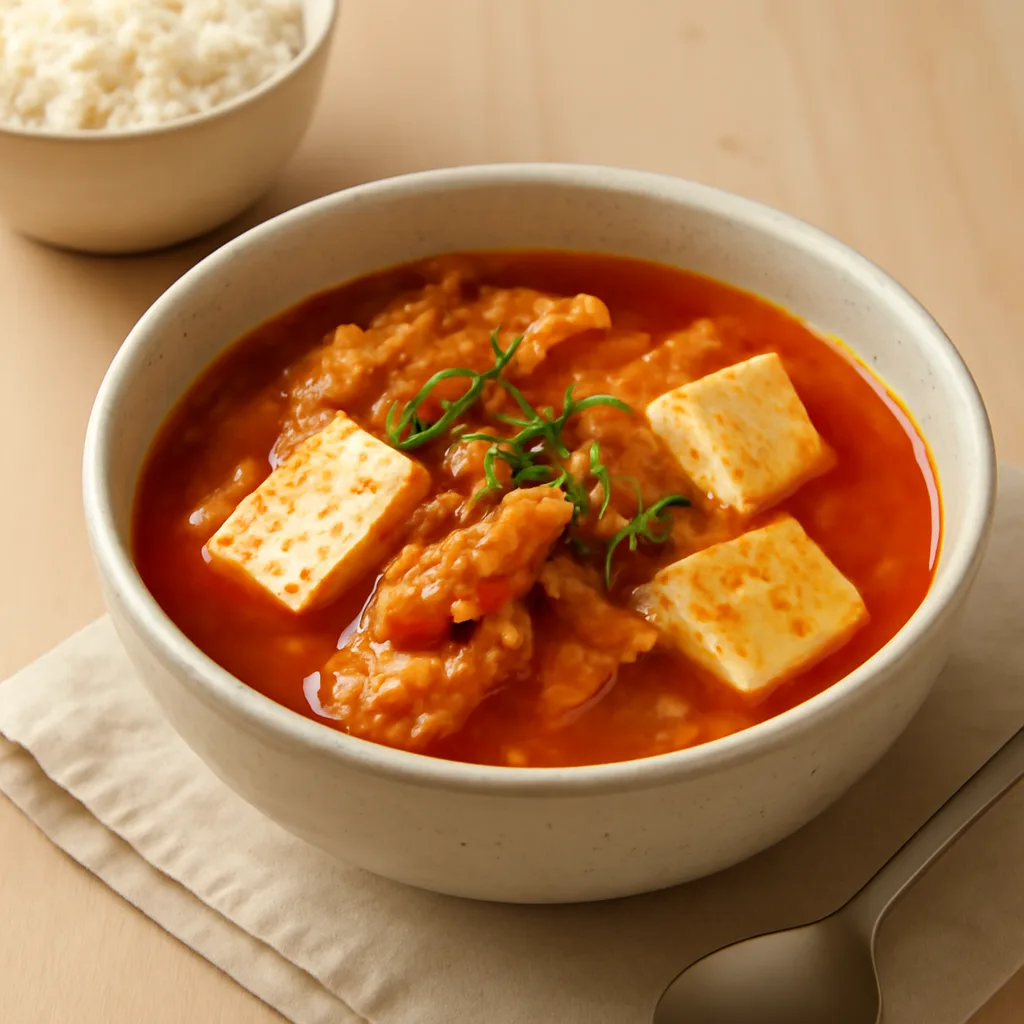
- Add diced tofu to doenjang jjigae, kimchi jjigae, clear soups, and hot pots to softly carry the broth’s saltiness and aroma. After adding, avoid stirring too many times as the edges can break when boiled vigorously.
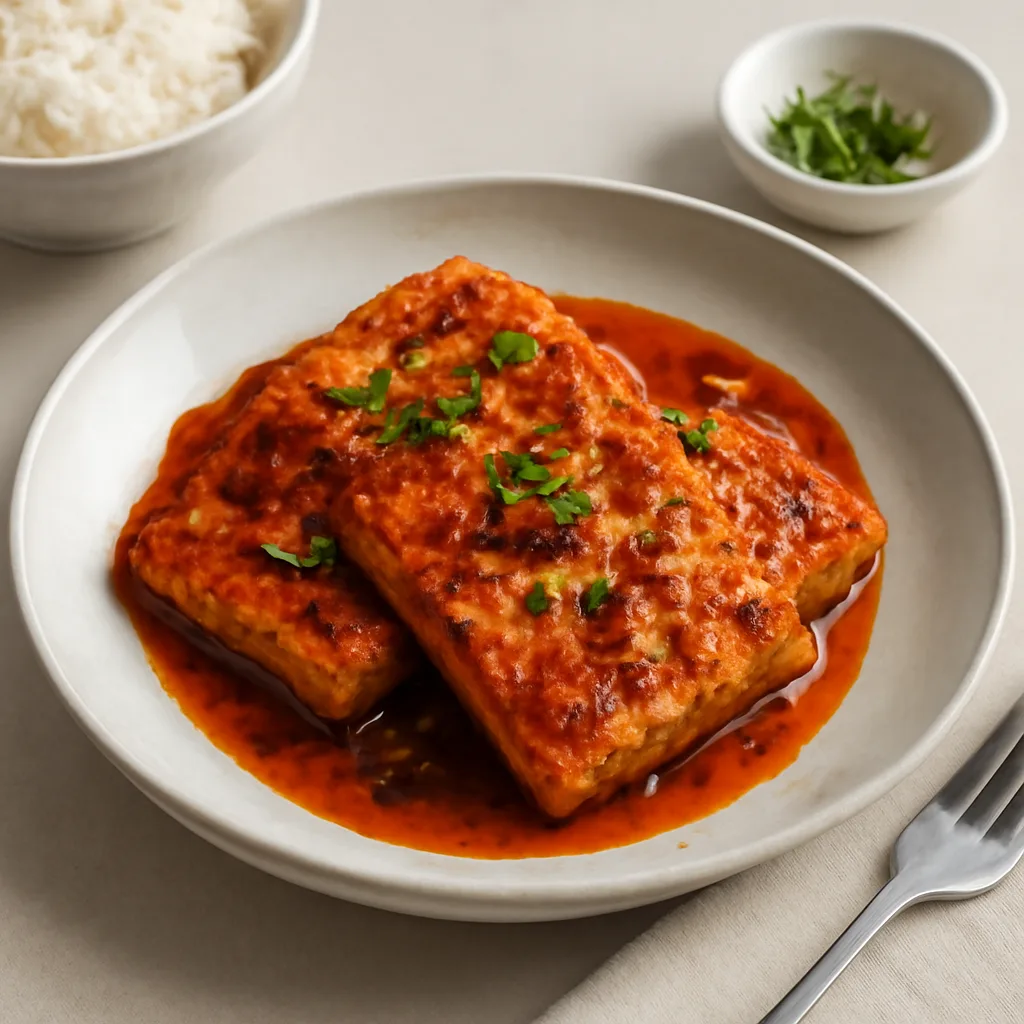
- For tofu pan-frying, slice firm tofu thickly, fry in a pan, and serve with a soy-based sauce. When the surface turns light brown, cook until the inside remains moist and the outside is fragrant.
- In braised dishes, first grill or fry the tofu, then simmer with the sauce. Starting with too much liquid makes the sauce thin and the tofu wobble, so begin with small amounts of liquid and add more only as needed.
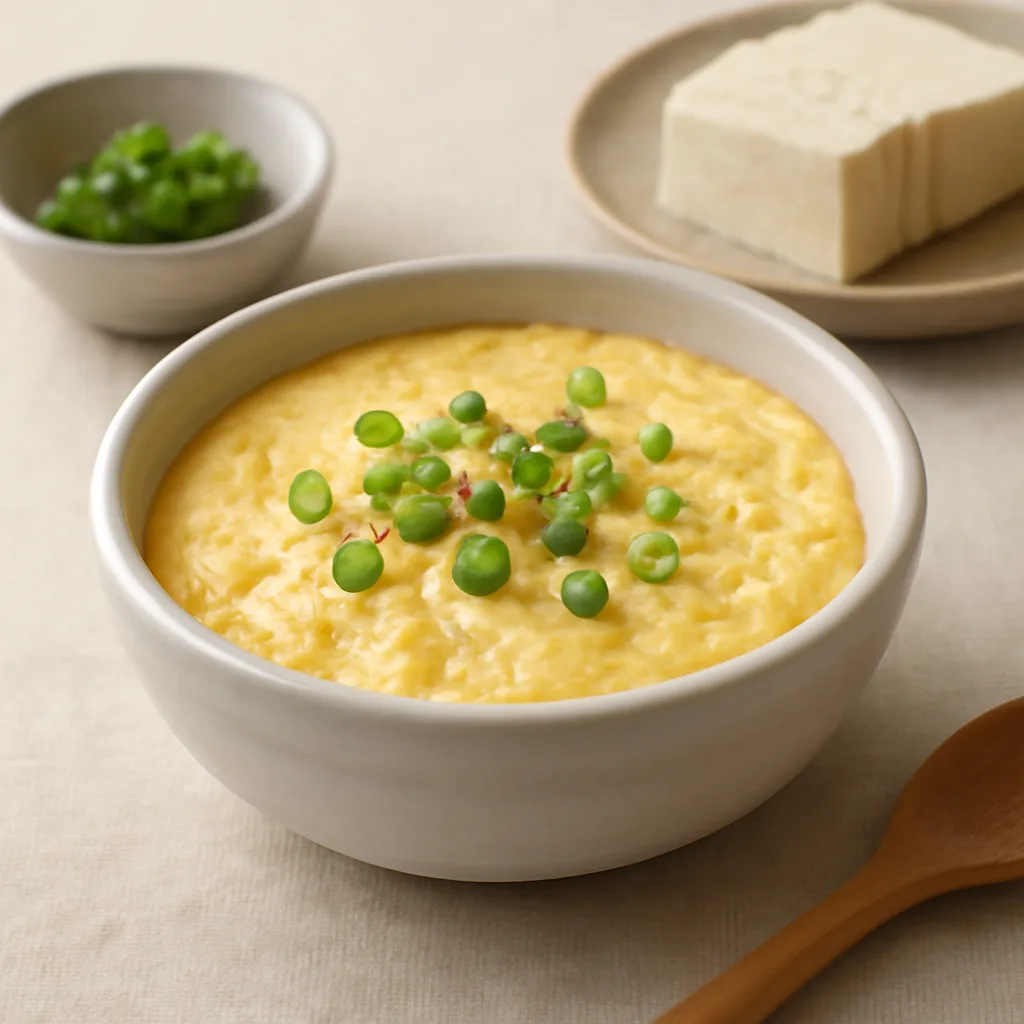
- Mashing or finely chopping tofu can be mixed with vegetables, mushrooms, ground meat, or eggs to make fillings or to enrich stir-fries. When mixing with watery tofu, drain the moisture to prevent the filling from becoming soggy.
نصائح التحضير
- When opening the package, if the tofu surface has a lot of water, drain it on a strainer or paper towels. Especially for grilling and frying, leftover moisture can cause oil splatter and soggy texture, so gently pat the surface dry.
- For soups or stews, avoid cutting tofu too small. If the edges start to weaken during boiling, cut larger next time and add it toward the end.
- For pan-frying, you can lightly salt the sliced tofu and pat dry its moisture. If you plan to pair with salty soy sauces or side dishes later, skip this step or reduce the salt so overall seasoning isn’t oversalted.
- Soft tofus (silken or soft tofu) should be scooped in with a spoon rather than cut, to help maintain shape. For dishes with strong seasonings that simmer long, firm tofu is easier to handle than soft tofu.
خصائص عند الطهي
- When heated, tofu releases internal moisture and its surface dries, bringing out a nutty aroma. If added before the pan is hot enough, it tends to stick or release a lot of moisture, so cook on a hot pan with a thin layer of oil, without moving one side at a time.
- In broth-based dishes, tofu absorbs the flavors of the seasoning and broth, but extending simmering doesn’t continuously deepen the taste. If the surface becomes rough and crumbly, it’s usually from overhandling or overboiling, so afterwards keep a gentle simmer.
- In braised dishes with sauce, pre-grilling the tofu hardens the surface for easier flipping and concentrates the sauce while helping the tofu retain shape. If you want a very soft texture, you can reduce the frying step, but you must accept possible breakage during cooking.
- When adding tofu to stir-fries, the moisture from vegetables can lower the pan temperature. If you add too many ingredients at once and water pools, it’s better to fry the tofu separately until golden and only mix at the end.
تركيبات مناسبة
- Soy sauce, garlic, scallions, sesame oil, and sesame seeds easily complement tofu’s blandness, especially in frying or dressings.
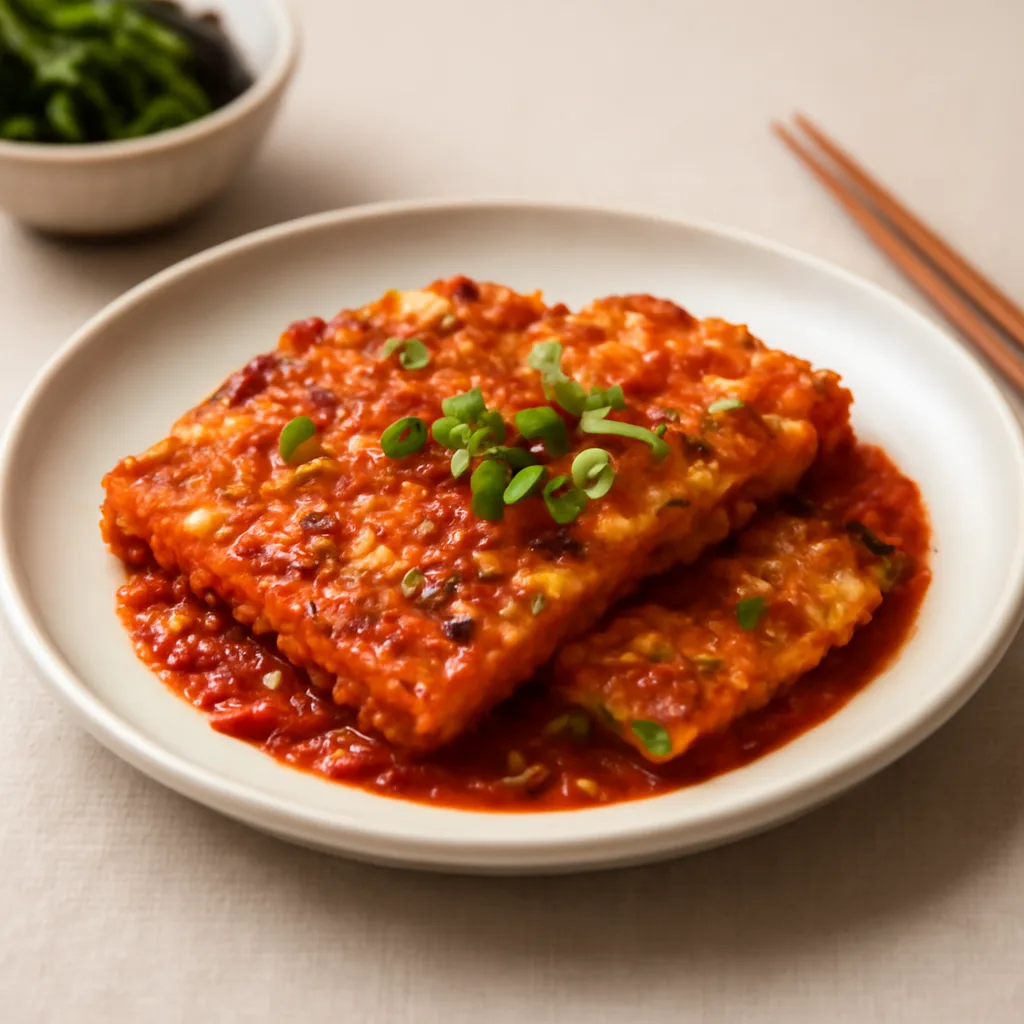
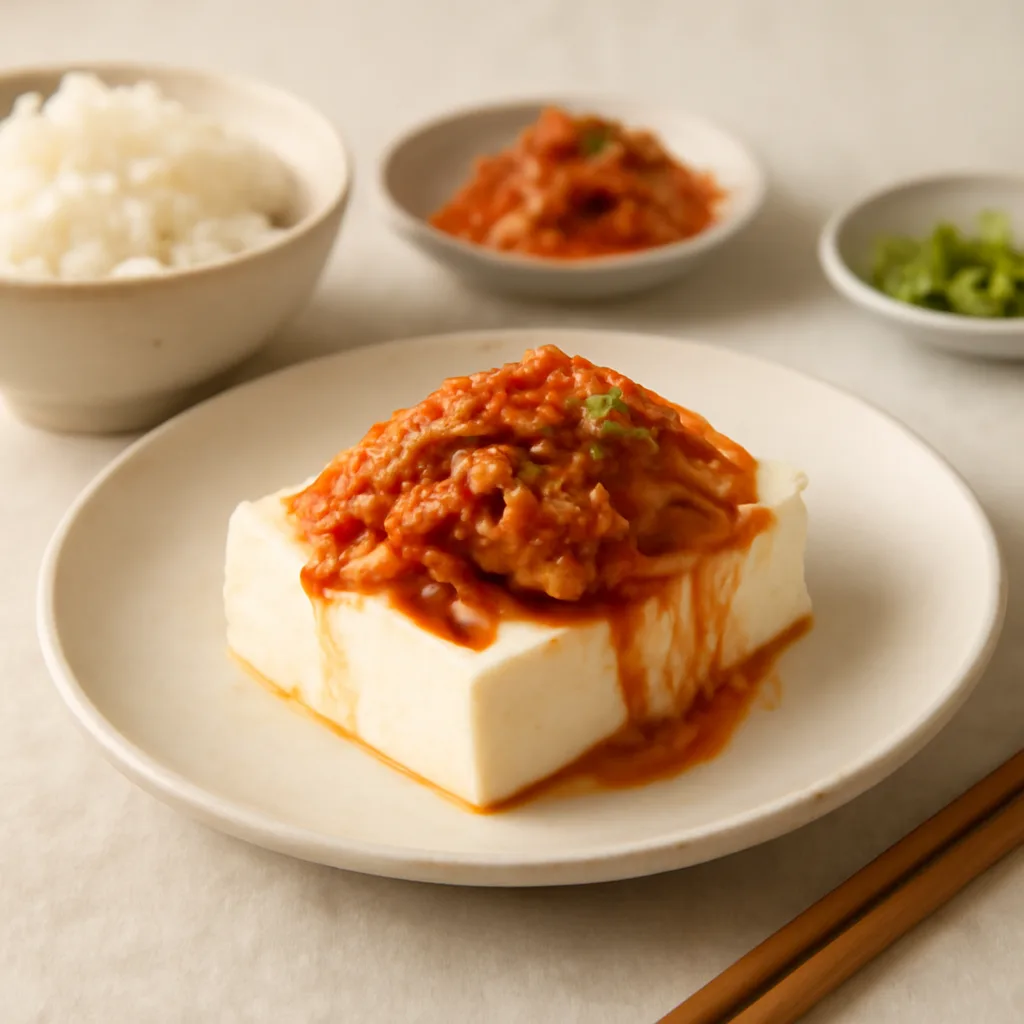
- Ingredients with acidity or heat like kimchi, gochujang, or chili powder contrast with tofu’s soft texture. When frying with kimchi or other watery ingredients, first fry the tofu to prevent it from becoming mushy.
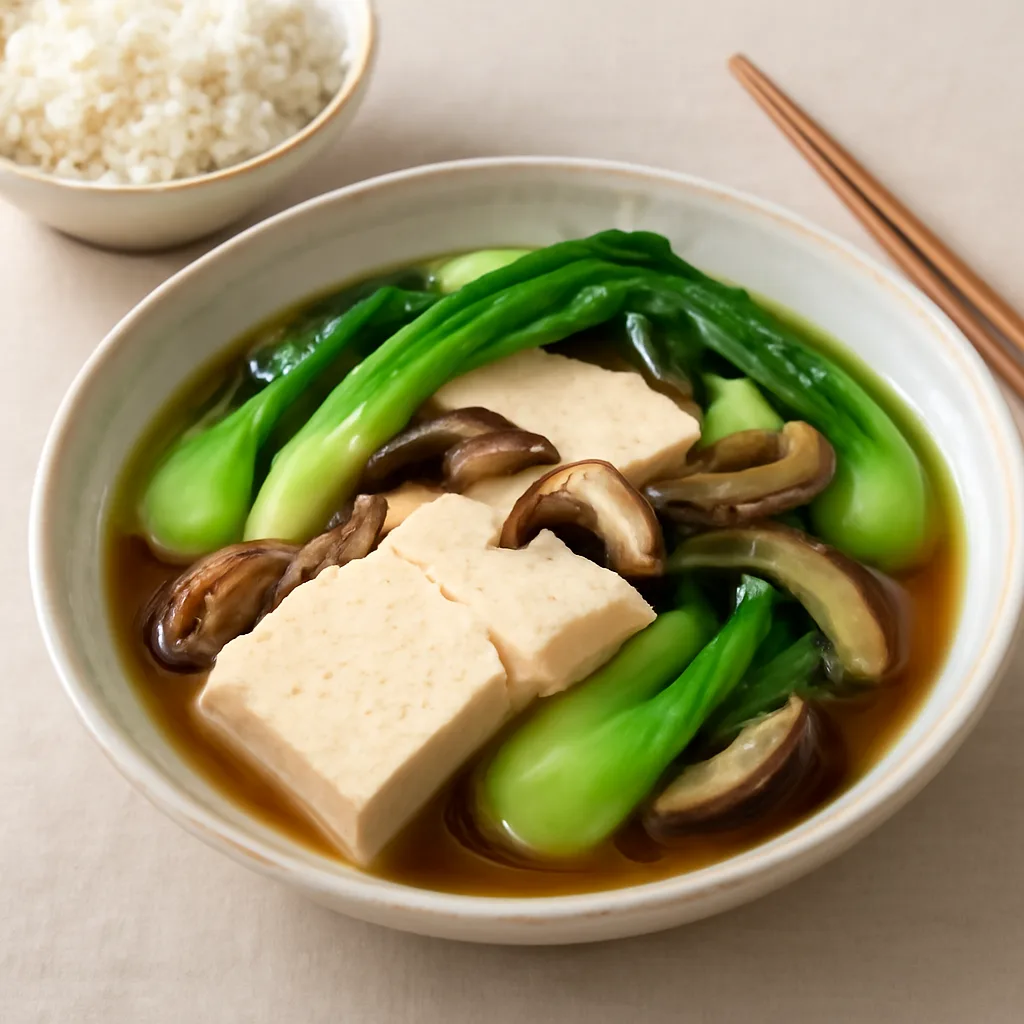
- Miso, mushrooms, and kombu-based umami pairs naturally with tofu in broth. However, if you use very strong-seasoned sauces, the tofu’s savoriness may be overwhelmed, so keep the amount moderate when the tofu’s taste is important.
- Crisp cucumber, blanched spinach, or sautéed mushrooms add contrasting textures to offset the softness of tofu.
نقاط يجب مراعاتها عند الاستبدال
- If firm tofu isn’t available for stews or braises, you can use regular tofu but cut it larger and reduce stirring. Substituting with silken tofu is not suitable for similar braising methods, though it can work for some soups to yield a softer texture.
- Using soft tofu instead of fried firm tofu is common, but silken or soft tofu isn’t ideal for crisp frying. If only soft tofu is available, it’s more practical to serve it with toppings or in soup rather than frying.
- In dishes with mashed tofu in sauces or stir-fries, finely chopped mushrooms, mashed beans, or eggs can partially compensate. However, these alter moisture and binding, so reduce moisture or adjust binding ingredients if the sauce is runny.
- There are few substitutes that fully replace tofu’s mild base flavor and soft texture. Alternatives vary depending on whether the priority is protein texture, shape retention, or softness.
المكونات التي تستخدم غالبًا مع الأطعمة الفعلية
يتم تجميعها بناءً على عدد مرات ظهور المكونات الرئيسية للأطعمة العامة المسجلة في CookPagoda.
الأطعمة التي تحتوي على هذه المكونات
نقدم لك الأطعمة التي تحتوي على هذه المكونات كمواد رئيسية مرتبة حسب عدد المشاهدات.