قاموس المكونات
تحقق من خصائص المكونات وكيفية استخدامها في الطهي.
كرنب
1
3
Cabbage is a vegetable eaten with layered leaves and a firm stalk. Raw, it is crisp; when cooked, it becomes soft and sweet. The leaves lose moisture quickly, while the white stalk retains moisture and takes slightly longer to cook, so in the same dish adding at different times helps maintain a balanced texture. In soups, stews, and hot pots, cabbage absorbs broth and seasonings, adding gentle sweetness. In stir-frying or grilling, cooking for too long on high heat releases a lot of water, making it sticky, so it's better to cook in a wide pan in batches or start with the stalks first. Outer leaves have stronger aroma and texture and are good for soups or wraps; inner leaves are tender and sweet, suitable for salads or light non-fermented dishes. However, cabbage with a lot of water should be managed for moisture when used as the main ingredient in crispy stir-fries or dishes with rich sauces.
الطعم والملمس
Raw cabbage has a clear, mild sweetness, fresh vegetal aroma, and a cool crunch from the stems. The leaves are thin and flexible, while the stalks are thick and juicy, giving a more pronounced bite. When heated, the grassy odor fades and sweetness and tenderness increase. Overcooking cabbage makes it nearly melt, adding natural sweetness to broth, but maintaining crisp texture becomes difficult.
طرق الاستخدام الرئيسية
- Cabbage is a main ingredient in kimchi, salted to control moisture and texture, then seasoned and cooked with other ingredients.
- In miso soup, cabbage soup, stews, and hot pots, large chunks are added to soften the broth and provide substance.
- Fresh leaves are used with pork or boiled meat for wraps, while the thick stalks are trimmed or cut to be eaten easily.
- For stir-fries, greens, and salads, cabbage is briefly cooked or lightly pickled. If the finished dish seems watery, it often means the pan was crowded or the cabbage cooked too long, so next time cook in smaller portions.
نصائح التحضير
- Remove the root and separate the leaves, rinse under running water, paying particular attention to soil or impurities inside the stalk. After rinsing, drain well on a sieve to reduce surface moisture for less water during stir-frying.
- For broth dishes, cut both stalk and leaves into similar sizes; thicker stalks should be cut slightly smaller. If the stalk still feels firm, add it first, then add the leaves at the end to prevent excessive softening.
- In dishes requiring pickling, spread the leaves so the thick parts touch salt. After pickling, if too salty or limp, rinse and squeeze out moisture, then either shorten pickling time or reduce salt.
- When using raw, select yellowish, tender inner leaves for a soft texture. Conversely, sturdy outer leaves are better suited for hot dishes like soups or quick blanching.
خصائص عند الطهي
- Cabbage releases moisture quickly at the start of cooking. When the sizzle of oil is less audible than the sound of boiling water and ingredients start to sink, raise the heat slightly to evaporate moisture or cook cabbage in batches in a stir-fry. In broth dishes, longer simmering softens the texture and spreads sweetness. For hot pots that require some chew, cook the stalks first and add the leaves just before eating. Sautéing on high heat briefly creates a light browning at the edges and a toasty aroma. If oil is scarce or the pan is narrow, moisture will evaporate before browning occurs, so for a flavor-focused stir-fry a wide pan is preferred. Adding salt or seasoning too early can cause cabbage to release moisture faster and dilute the flavor. In stir-fries, season after the cabbage has softened somewhat; in soups, adjust salt at the end considering other salty ingredients.
تركيبات مناسبة
- Aromatic ingredients like garlic, green onion, miso, and chili powder complement the cabbage's subtle sweetness and fresh aroma.
- Pairs well with pork, beef, tofu, and mushrooms to absorb fat and umami in hot pots and stews.
- Sesame oil or toasted sesame seeds are nice in lightly dressed salads with blanched cabbage, but strong sesame aroma can mask cabbage's clear flavor.
- When using salted umami ingredients like salted shrimp or fish sauce, consider the moisture cabbage releases during cooking and start with less salt.
نقاط يجب مراعاتها عند الاستبدال
- For softer sweetness and leafy texture in soups or hot pots, use baby cabbage, crown daisy, or bok choy as alternatives. Bok choy has a firmer stalk and somewhat different aroma, so adjust cooking time accordingly.
- In stir-fries, cabbage is a practical option, but note that it is firmer and sweeter, so adjust cooking time or slice thinner and cook longer to fit the texture.
- In kimchi-type pickled fermentation dishes, substitution ingredients vary greatly in moisture and leaf thickness. It’s safer to adjust marinade and salt rather than swap with other leafy greens at the same ratio.
- For wraps, lettuce or perilla leaves can be used, but this changes the aroma and texture from cabbage’s crisp and mild character.
المكونات التي تستخدم غالبًا مع الأطعمة الفعلية
يتم تجميعها بناءً على عدد مرات ظهور المكونات الرئيسية للأطعمة العامة المسجلة في CookPagoda.
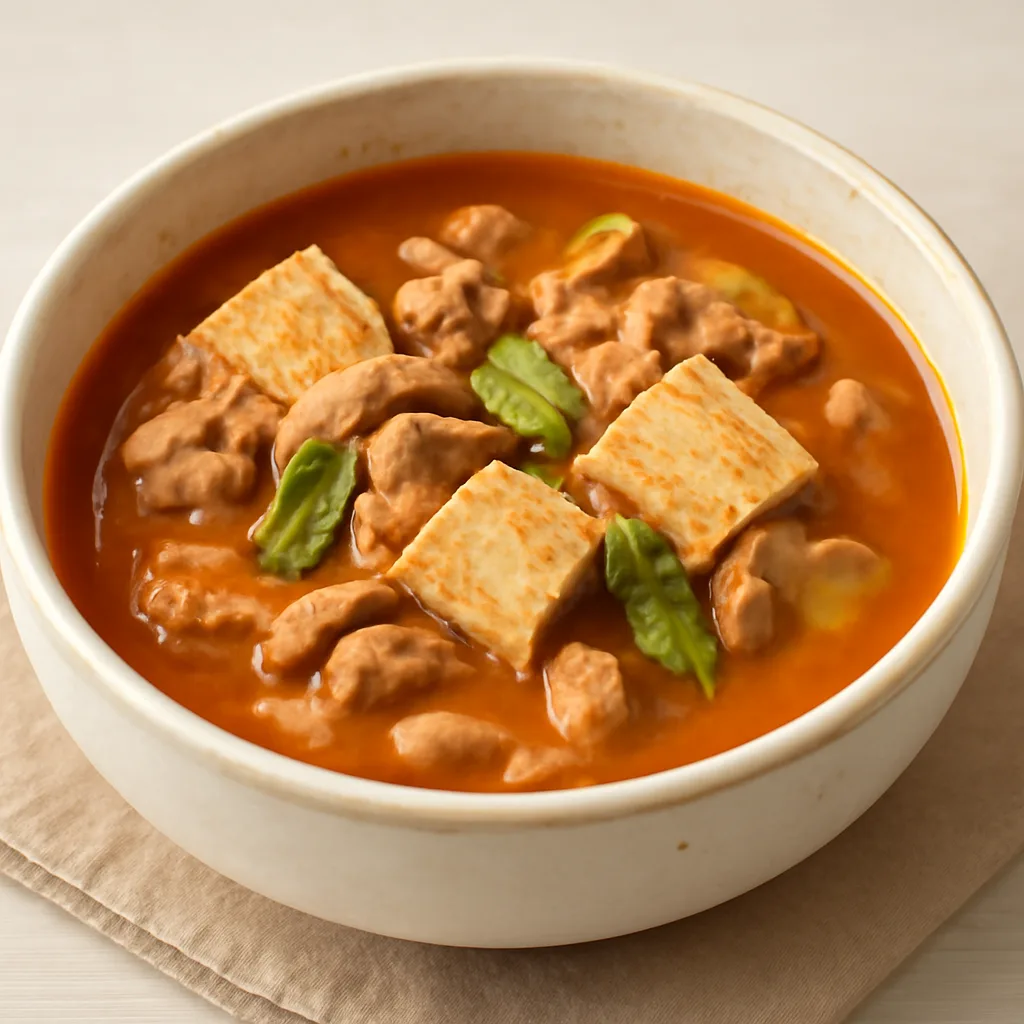
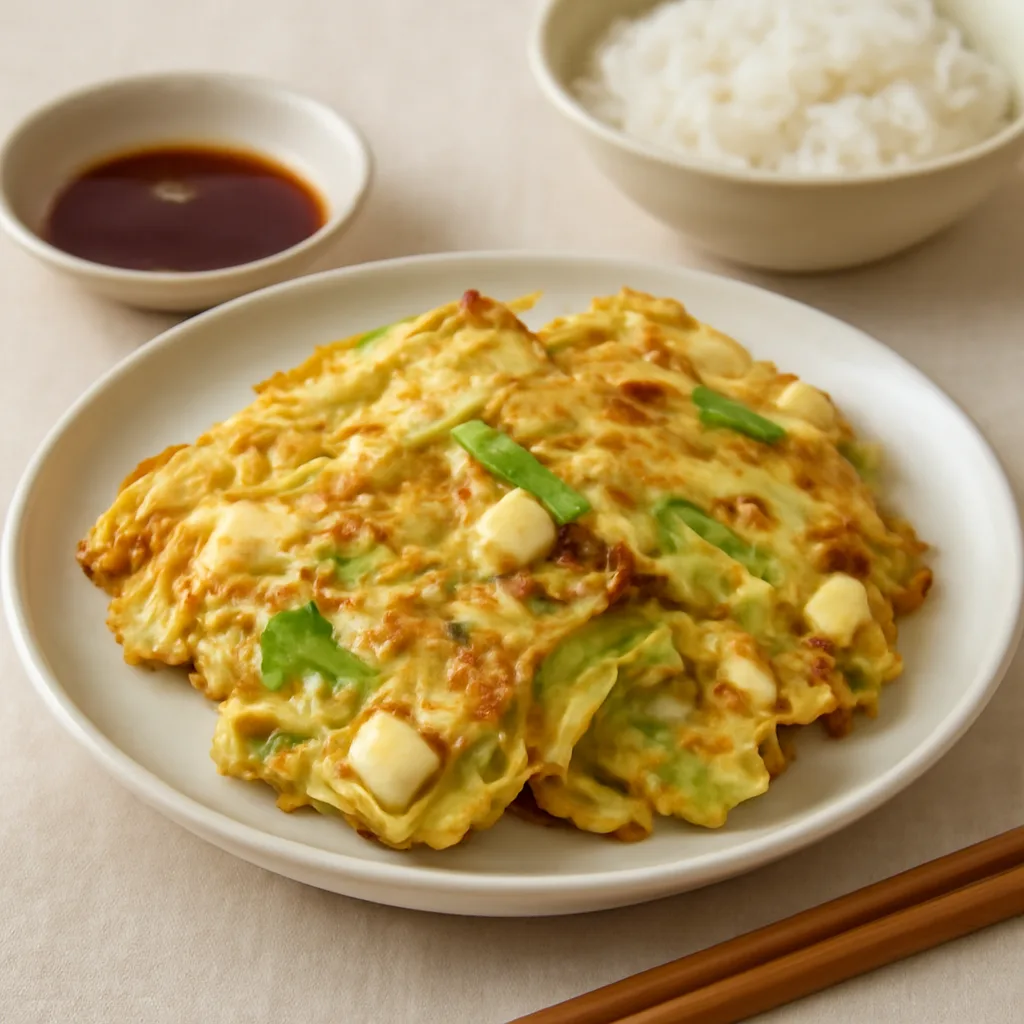
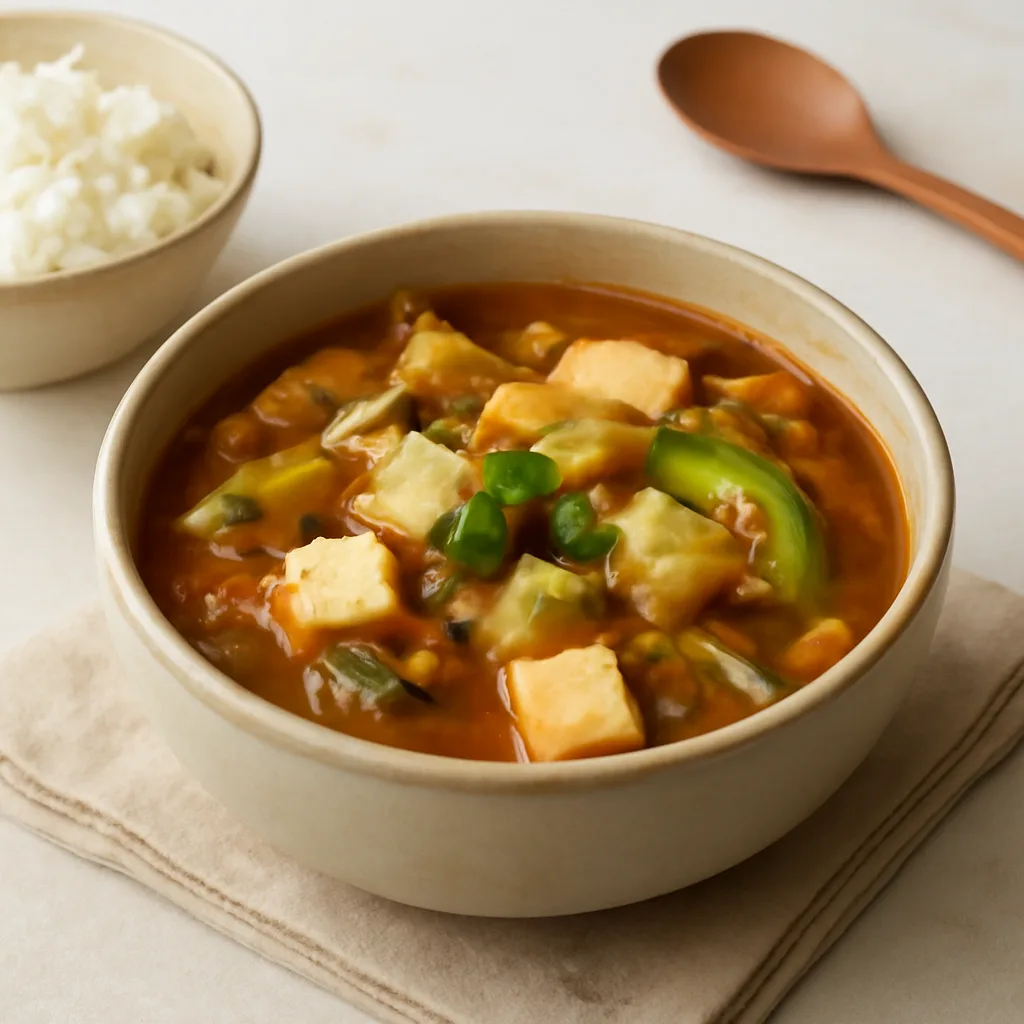
الأطعمة التي تحتوي على هذه المكونات
نقدم لك الأطعمة التي تحتوي على هذه المكونات كمواد رئيسية مرتبة حسب عدد المشاهدات.