قاموس المكونات
تحقق من خصائص المكونات وكيفية استخدامها في الطهي.
식용유
10
10
Cooking oil is a culinary oil used to transfer heat evenly to ingredients and aid browning on the surface, for frying, roasting, and sautéing. Odorless varieties are good for letting the ingredients’ natural flavors come through, while flavored oils can add depth to the dish as a finishing oil. When oil coats the surface of the pan thinly and evenly, it reduces sticking and helps heat distribute more uniformly. However, once the oil starts to smoke, the flavor becomes harsh and the ingredients may burn more easily, so if smoke appears, lower the heat or briefly cool the pan before continuing. Cooking oil is used in a wide range of dishes, including fried rice, stir-fried vegetables, pan-fried foods, grilled dishes, deep-fried items, dressings, and sauces. The required amount varies greatly by recipe; in stir-frying, start with a thin layer, and for frying where the oil itself is the cooking medium, use a sufficient amount.
الطعم والملمس
Neutral oils generally have little taste or aroma, so they don’t mask the flavors of garlic, soy sauce, gochujang, or spices. Oils with distinctive flavors can add richness or aroma, so even the same amount can alter the dish’s impression. Oil coats the surface of ingredients smoothly and helps regulate moisture evaporation, affecting the gloss of sautéed vegetables and the crispness of roasted items. If too much oil is used, sauces can become thin and heaviness may result, so when cooking ingredients with high moisture, start with a small amount and adjust.
طرق الاستخدام الرئيسية
- Spread thinly in a pan to prevent sticking of eggs, tofu, fish, meat, and vegetables for frying or sautéing.
- Use to begin by sautéing aromatics like garlic, scallions, onions, or chili powder in oil to disperse aroma. If the ingredients brown too quickly, reduce the heat to lessen bitterness.
- When making pancakes or jeon, use oil so the surface becomes evenly golden and the edges crisp.
- In frying, the oil acts as the medium that rapidly evaporates surface moisture. If the oil temperature doesn’t rise enough, ingredients can absorb more oil and become heavy.
- Mix with soy sauce, vinegar, and spices to soften the texture of dressings or side sauces.
نصائح التحضير
- Before use, wipe dry the pan and the surface of ingredients as much as possible. If moisture remains, oil may splatter and frying or high-heat cooking can become awkward.
- Preheat the pan moderately, then add oil and tilt the pan so it spreads thinly on the bottom. If the oil flows too thinly or smokes, the pan may be too hot; lower the heat for a moment.
- Small ingredients like garlic or chili powder should not stay on high heat for long immediately after adding oil. When tiny bubbles form at the edges and aroma rises, add the next ingredient to reduce burning risk.
- If during stir-frying there is not enough oil and ingredients start sticking to the pan, add a small amount at a time to the edge rather than all at once. For ingredients that release a lot of moisture (e.g., mushrooms, zucchini), even with more oil they may not crisp; it's better to cook in batches.
خصائص عند الطهي
- Oil helps form a thin layer between the pan and ingredients to aid heat transfer and contribute to browning on the surface.
- If heat is too high or cooking lasts too long, the oil will smoke and the aroma can become dull. If smoke appears, they should add more oil? Actually, better to lower heat and let the pan cool rather than adding new oil to fix it.
- Adding a lot of moisture-rich ingredients at once lowers the pan temperature, causing moisture to mix with oil rather than making the surface crisp. Using a wider pan or cooking in batches helps browning occur more easily.
- In frying, bubbles rise vigorously after adding ingredients; if bubbles become too rough and the surface turns dark too quickly, lower the heat to ensure the inside cooks through.
تركيبات مناسبة
- Mild-flavored oils pair well with seasonings that have a strong center of flavor, such as soy sauce, doenjang, gochujang, garlic, ginger, or pepper.
- Sautéing garlic or scallions in oil before adding stock or water helps spread aroma through the broth. In clear, light broths, using too much oil can make the surface feel heavy.
- When sautéing meat or mushrooms, start with a small amount of oil to brown first, then add seasoned salt to reduce surface softening.
- When making sauces with vinegar or citrus, add oil gradually to reduce a separated texture.
نقاط يجب مراعاتها عند الاستبدال
- For stir-frying or jeon, other fats like butter, lard, or olive oil can be used, but flavor and browning rate will differ. For dishes that need a neutral flavor, a neutral oil is more suitable.
- Butter adds a rich flavor but can color deeply if heated over high heat for long; may not be a perfect substitute for high-heat frying or deep-frying.
- Sesame oil or perilla oil has a strong aroma, so use small amounts at the end rather than large amounts at the start of frying in many cases.
- Even if substituting with other fats for frying, consider whether the fat is suitable for high-temperature cooking and how its aroma affects the ingredients. Replacing dressing oil with frying oil can greatly alter the result.
المكونات التي تستخدم غالبًا مع الأطعمة الفعلية
يتم تجميعها بناءً على عدد مرات ظهور المكونات الرئيسية للأطعمة العامة المسجلة في CookPagoda.
الأطعمة التي تحتوي على هذه المكونات
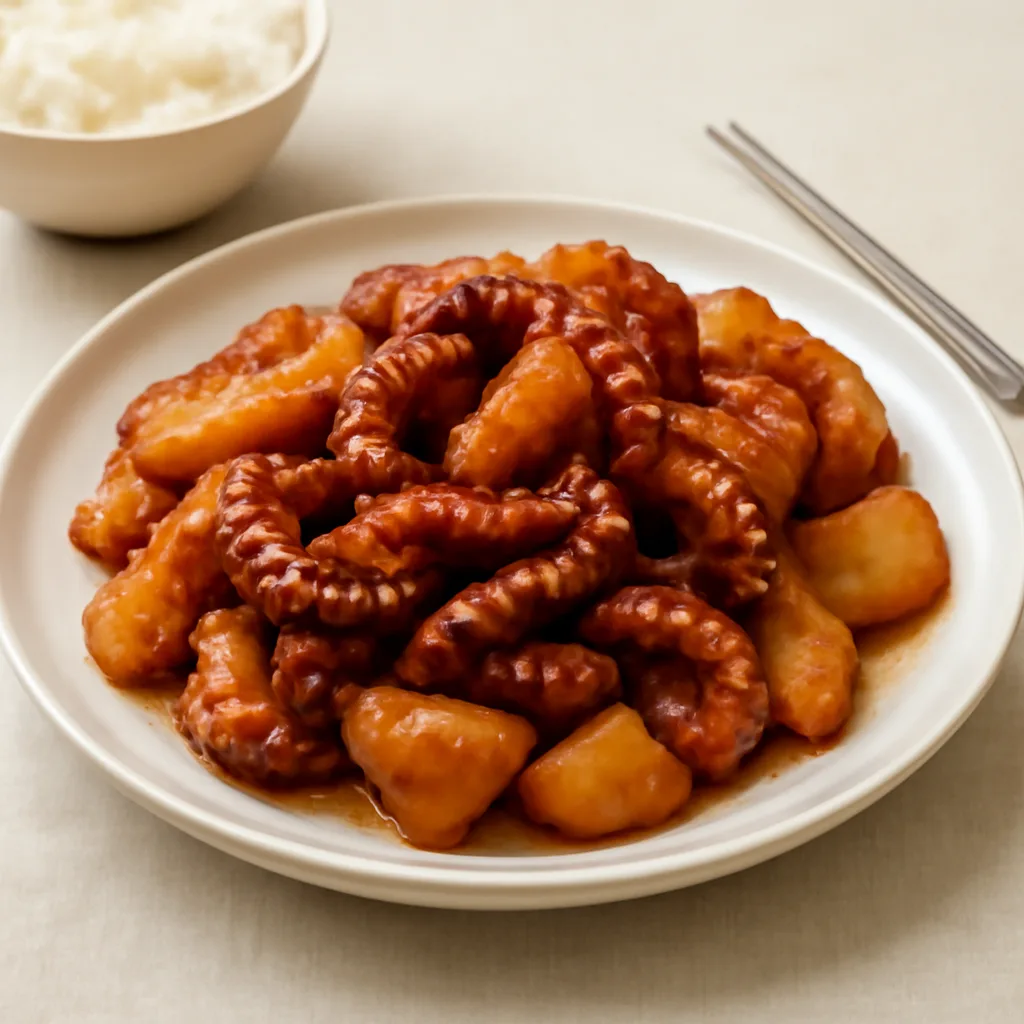
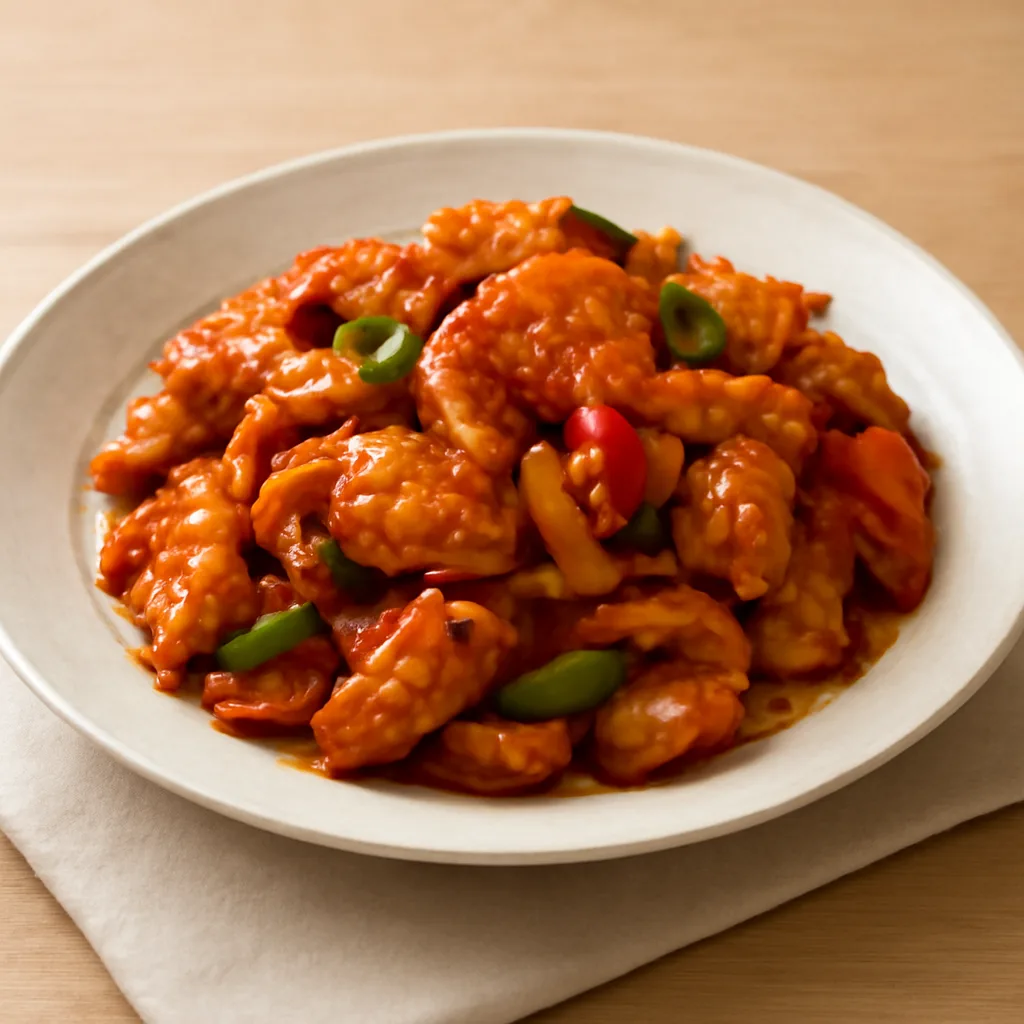
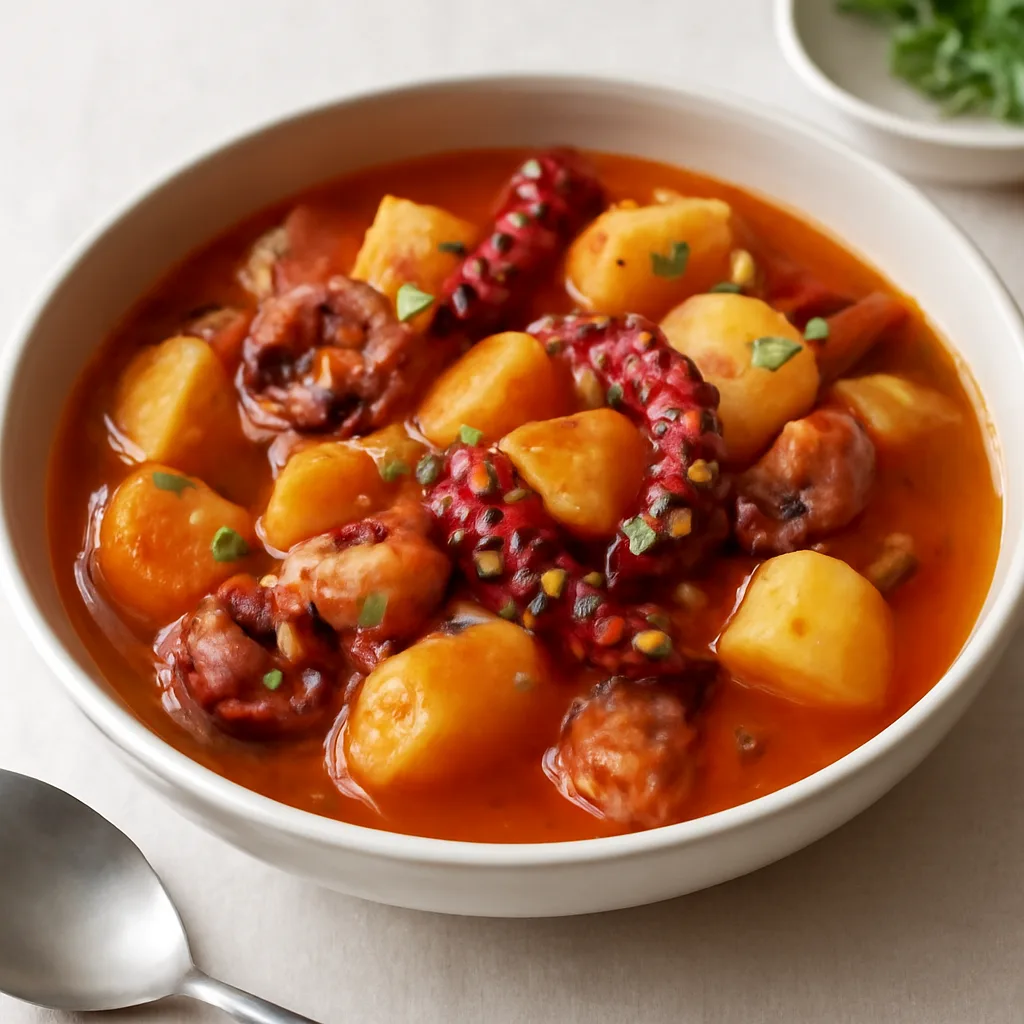
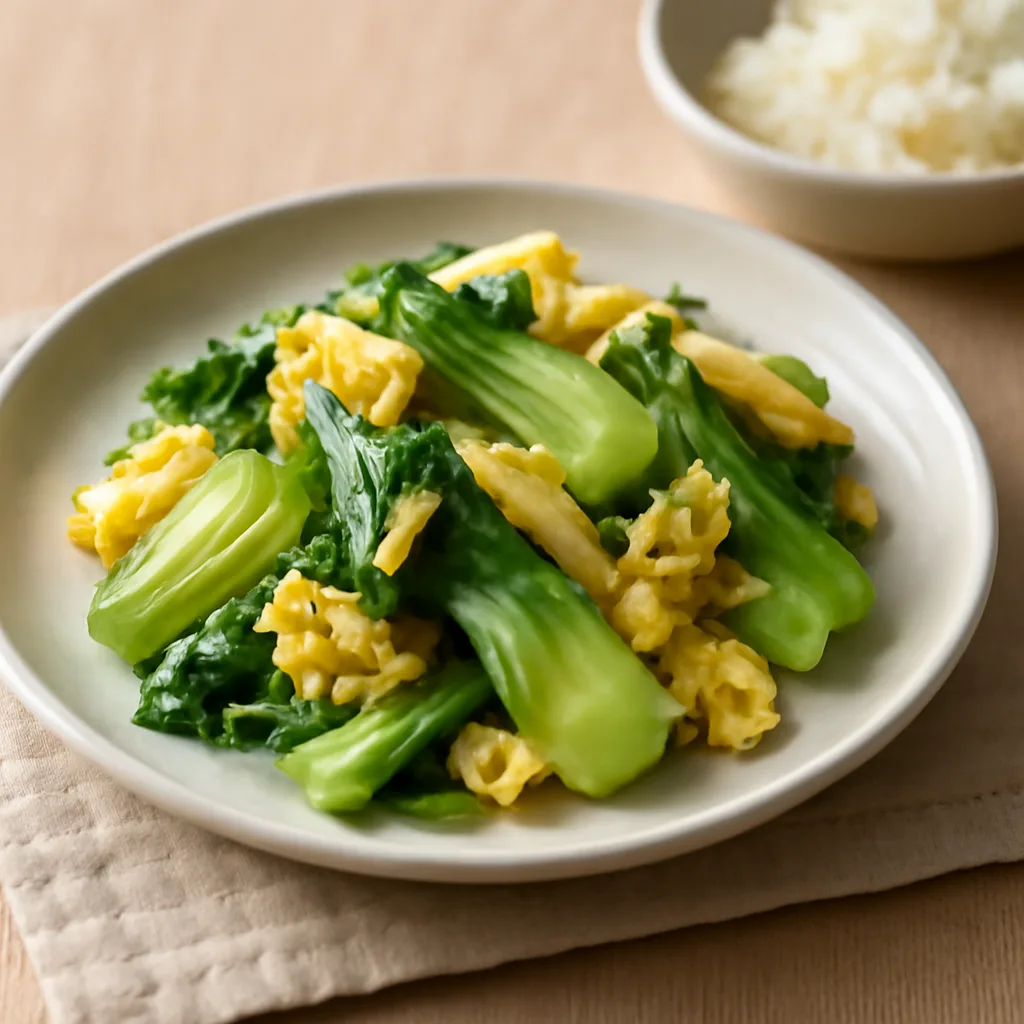
نقدم لك الأطعمة التي تحتوي على هذه المكونات كمواد رئيسية مرتبة حسب عدد المشاهدات.