قاموس المكونات
تحقق من خصائص المكونات وكيفية استخدامها في الطهي.
고추장
8
9
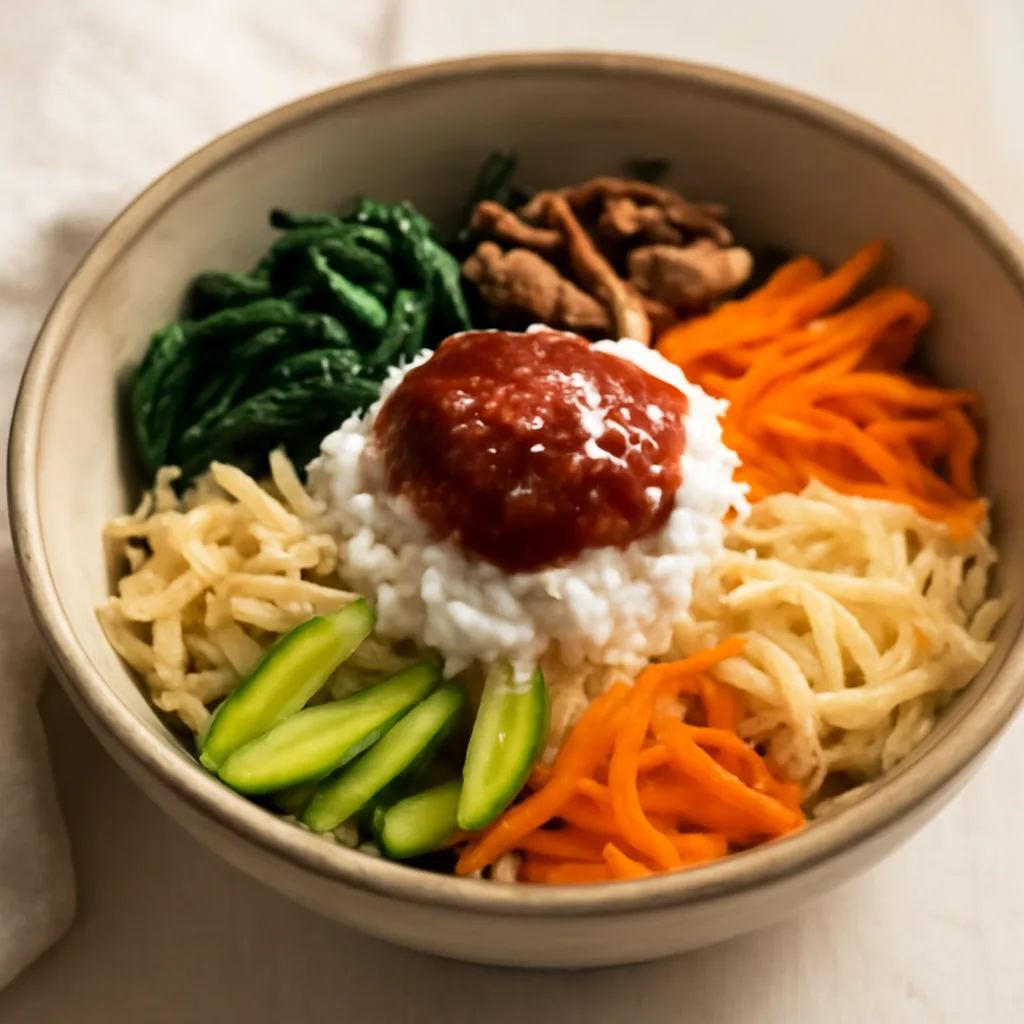
Gochujang is a thick Korean-style seasoning paste based on chili pepper powder, combining sweetness, saltiness, and depth from fermentation. A single spoonful can create the color and the sweet-spicy core flavor of dishes, so it is widely used in stir-fries, braises, stews, and bibim sauces. The consistency, spiciness level, and sweetness vary greatly by product. When first making a sauce, it is safer to add only part of the gochujang at first to taste, then adjust saltiness and thickness with soy sauce, salt, water, or stock. If a product emphasizes sweetness, it can feel heavy in light broths, so it is best to start with small amounts. Instead of eating it straight, mix gochujang with sesame oil, vinegar, minced garlic, soy sauce, and water to spread the flavor evenly. It works especially well for bibimbap sauce or vegetable namul, where acidity and nutty oil help balance the heavy-salty taste.
الطعم والملمس
The scent of hot chili mingles with saltiness and sweetness, and a rich, rustic umami from fermentation comes through. The spiciness tends to linger with the sauce along with sweetness rather than stimulating the mouth quickly, and depending on the product it can be quite mild or strong. The texture is thick and sticky, clinging well to the surface of ingredients. If the ingredients are very watery, mixing immediately can thin the sauce, so in stir-fries or namul, first control the moisture of the ingredients for a more pronounced flavor.
طرق الاستخدام الرئيسية
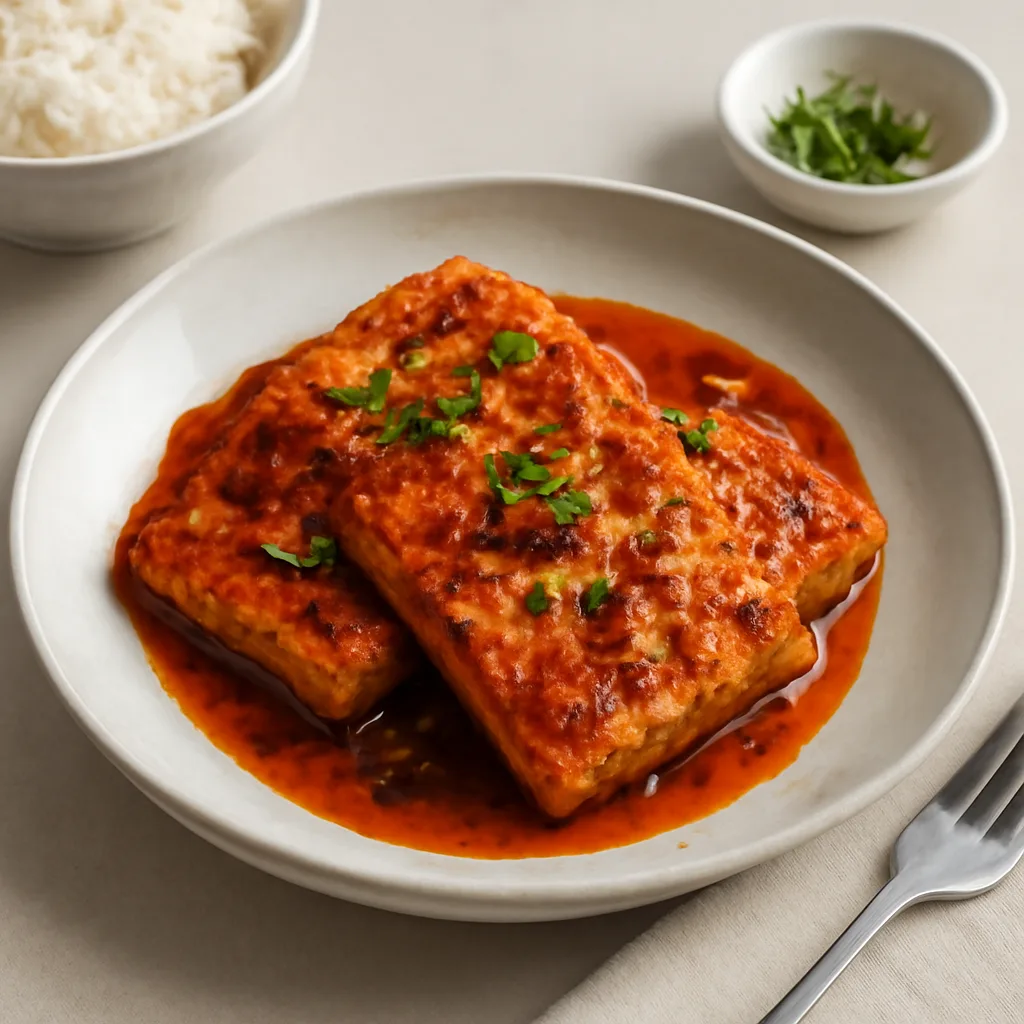
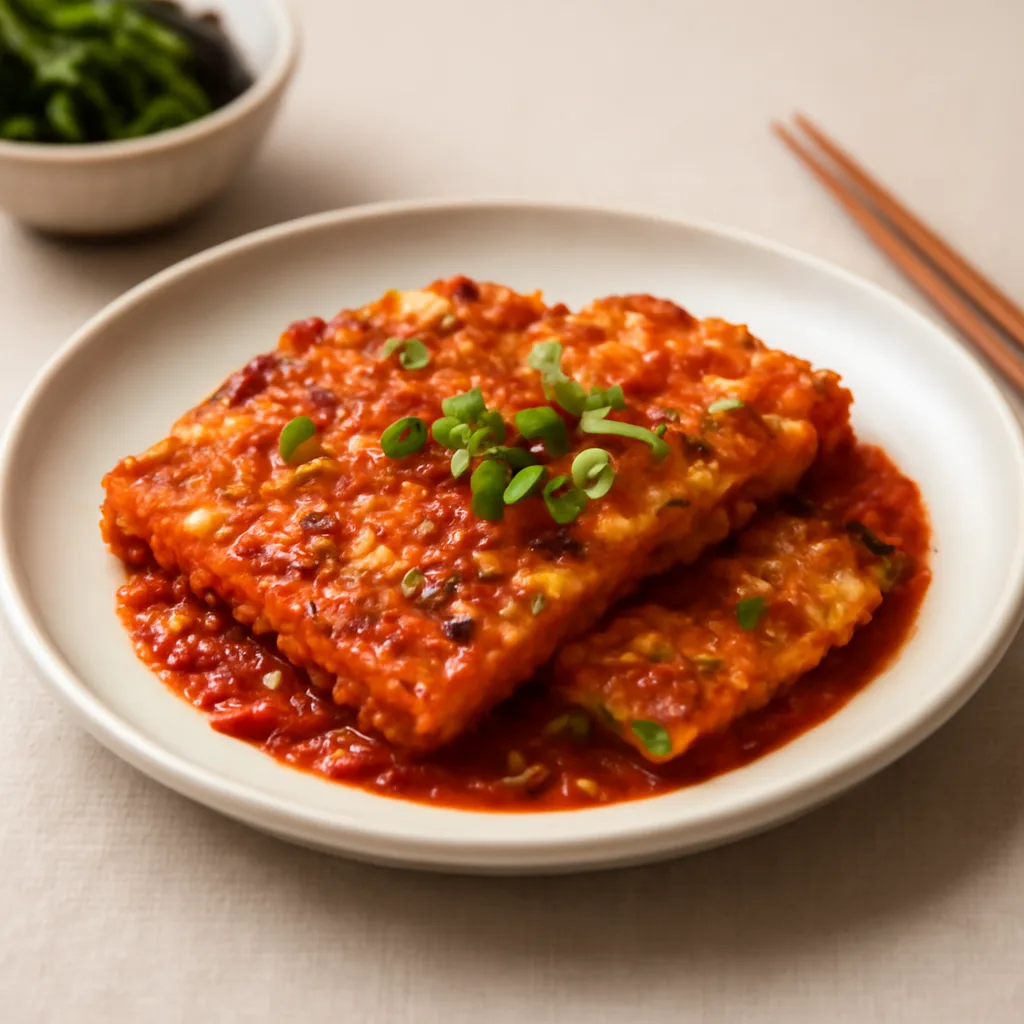
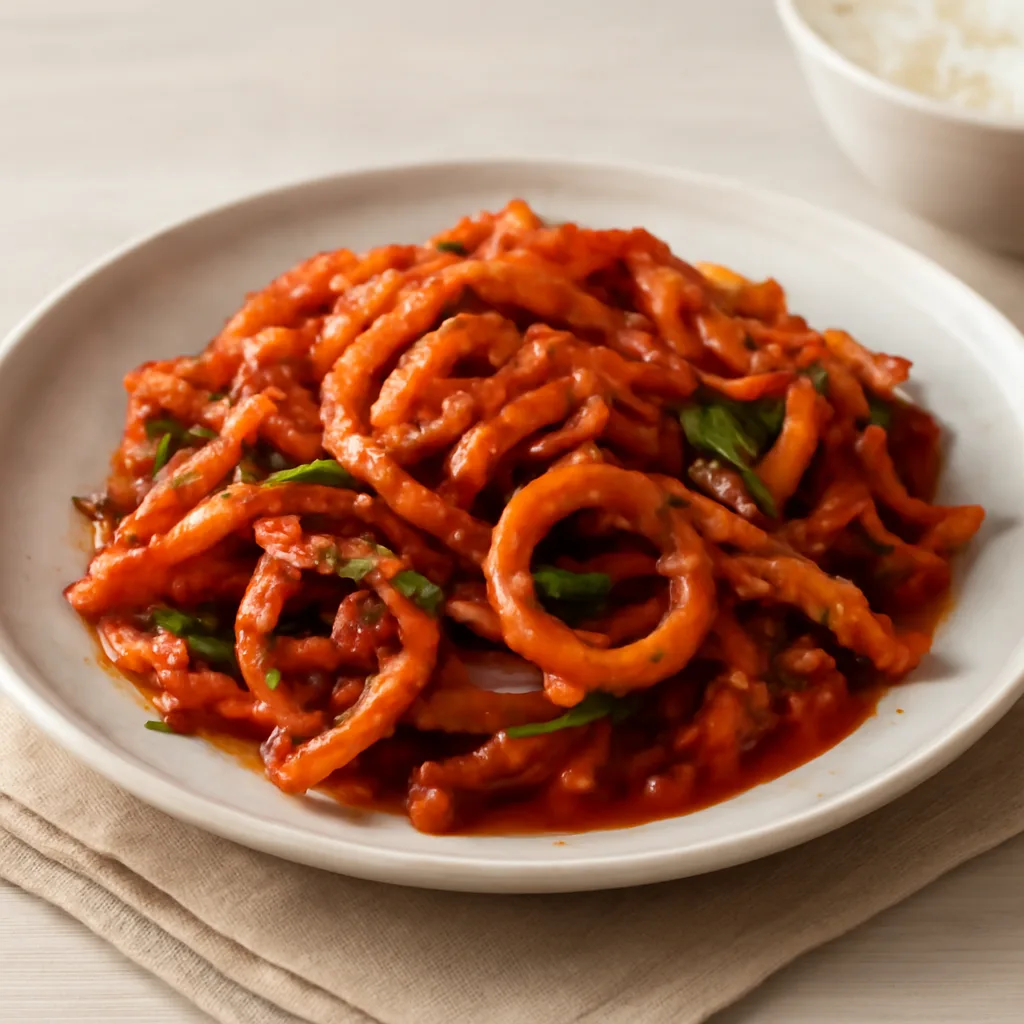
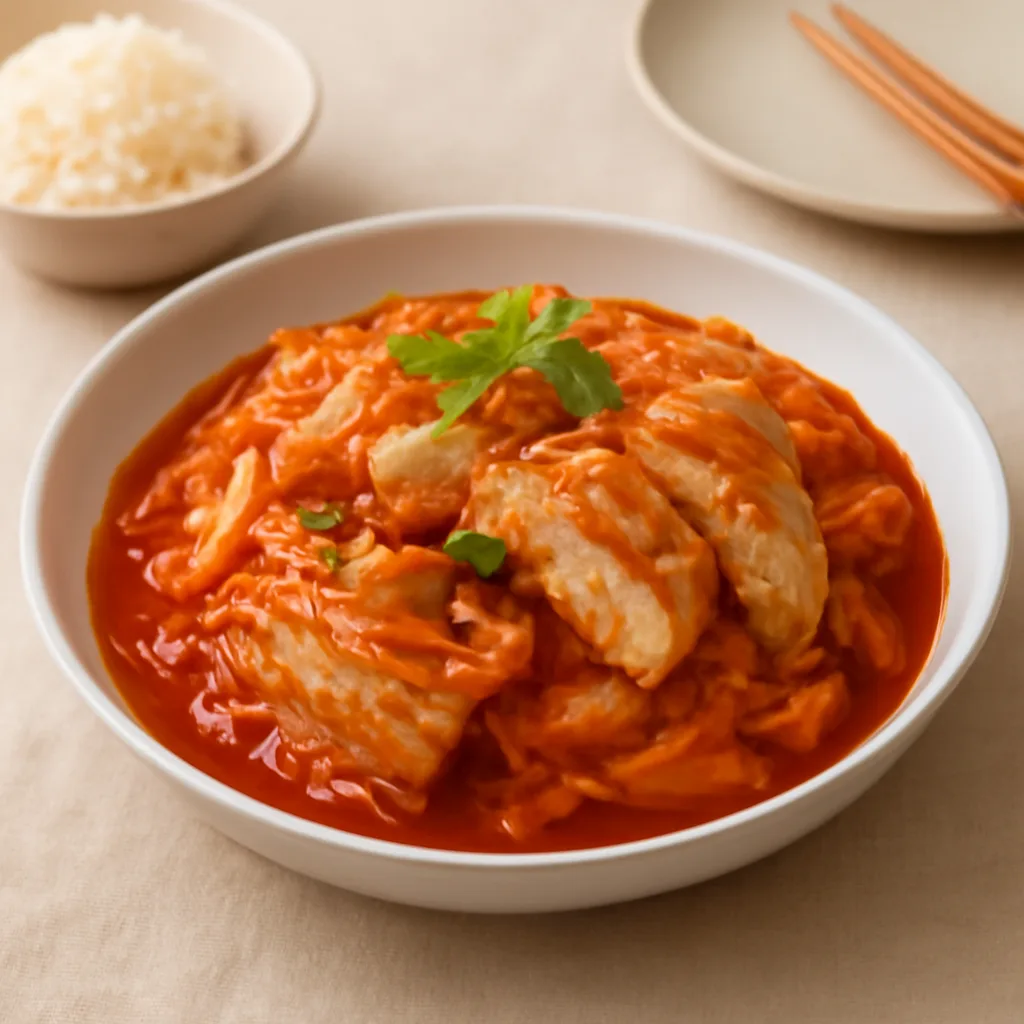
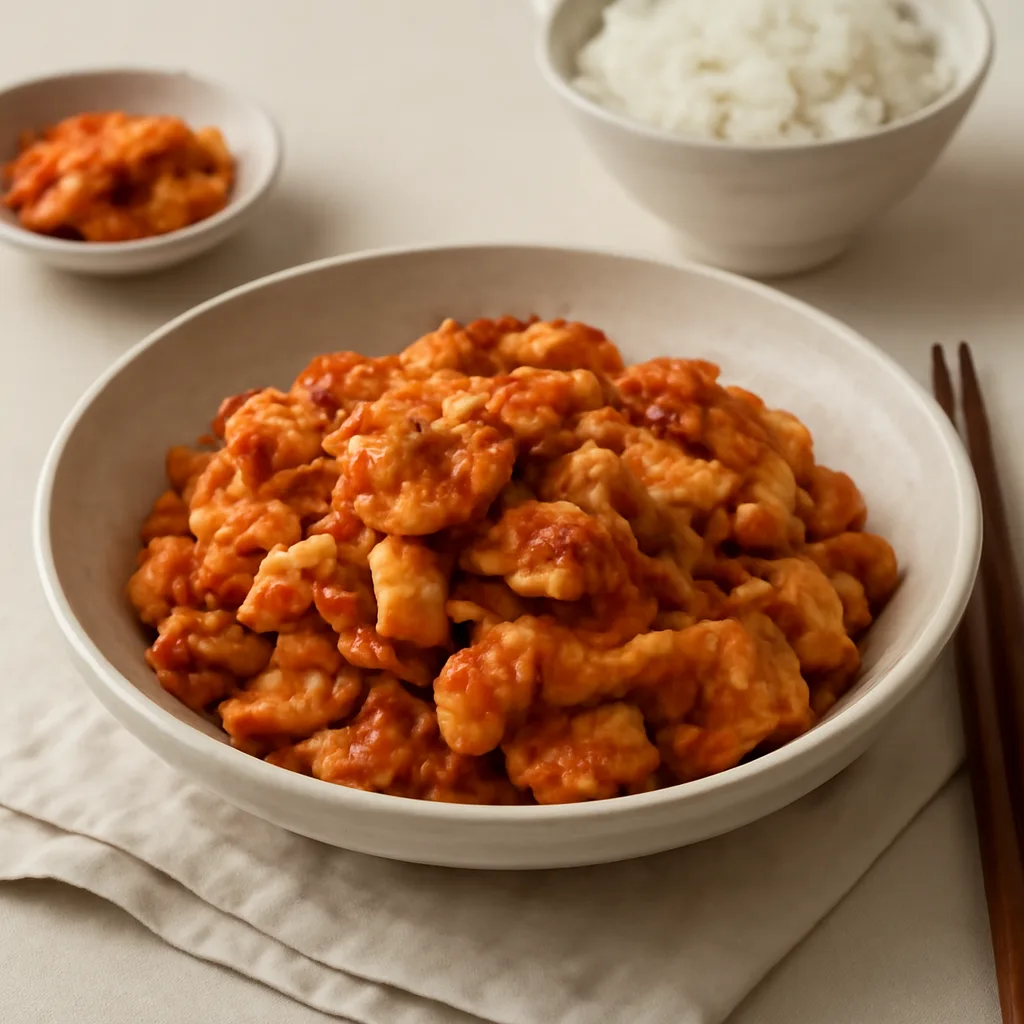
- When stir-frying pork, chicken, tofu, or mushrooms, use it as the central sauce to add red color and a spicy-sweet taste. For meat seasoning, it is common to use soy sauce or garlic to balance the saltiness and aroma.
- In stews or soups, add a small amount with gochugaru to bring spiciness and depth. However, using too much gochujang alone can make the broth cloudy and sweet, so for a clear, crisp broth, favor a higher proportion of gochugaru.
- For bibimbap, bibim-naengmyeon, and vegetable namul, it is good to use an dressing mixed with vinegar and sesame oil. If the sourness is lacking, the flavor may feel dull, so add a little acidity right at the end to adjust.
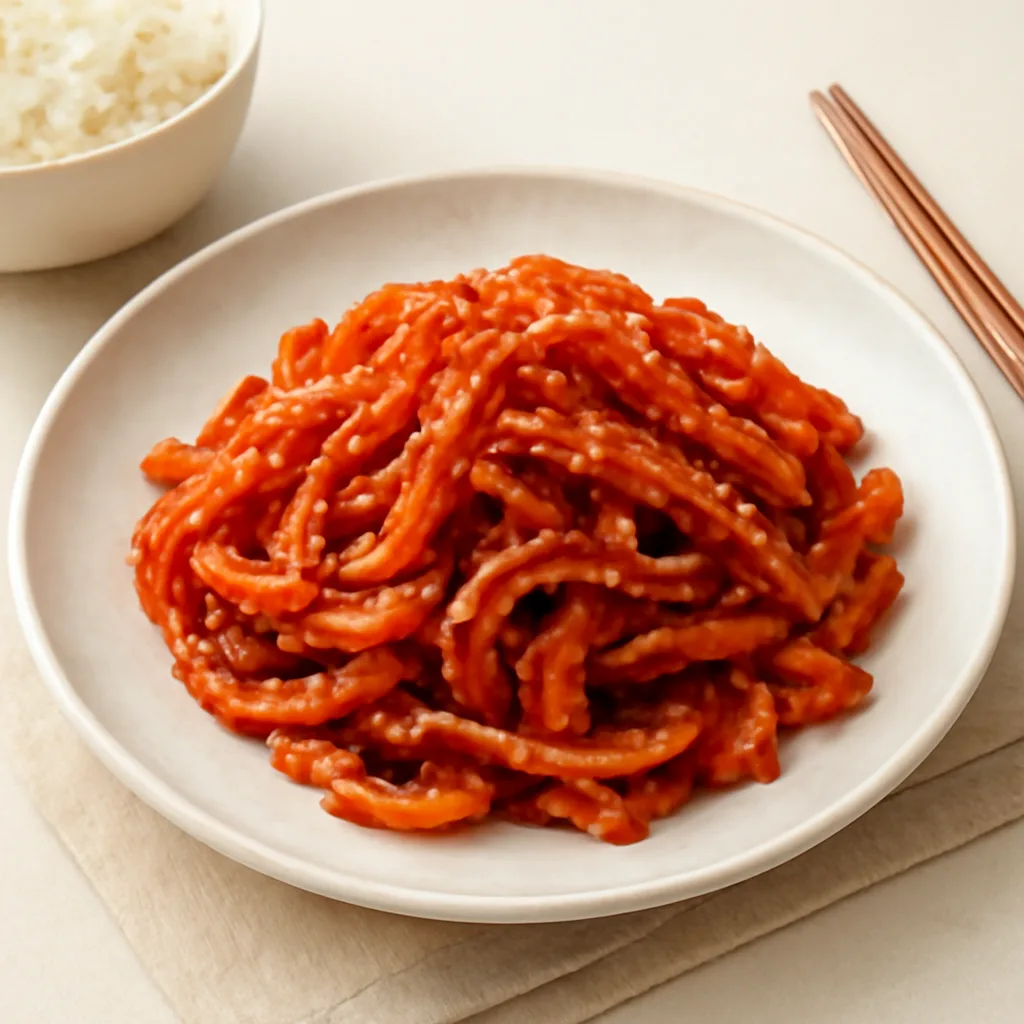
- When used in tteokbokki or braises, it yields gloss and thickness that pair well with starchy ingredients. If the sauce thickens too quickly during cooking, add water or broth to replenish.
نصائح التحضير
- Before use, scoop with a clean spoon and measure the needed amount to keep the sauce consistency and seasoning even. If it is thick and hard to dissolve, mix a small amount of water, stock, soy sauce, or vinegar first to smooth it before adding to ingredients.
- For stir-fry sauces, mix gochujang with minced garlic, soy sauce, a touch of sweetness, and water to prevent scorching at one spot in the pan. If the sauce is too thick, adjust to a pourable consistency so it coats ingredients rather than clumping.
- When frying vegetables with high water content like cucumber or lettuce, salt and drain slightly or add the sauce just before serving. If the sauce sits too long, the gochujang flavor will dilute, so do not add too much sauce at the start.
- Because saltiness and sweetness vary by brand, taste the sauce before adding other salty ingredients. If already salty, balance with water, acidity, or aromatics rather than adding more soy sauce.
خصائص عند الطهي
- If heated directly for a long time in a pan, the sugars in gochujang can stick to the bottom and create a bitter char. To reduce this, briefly sauté aromatics in oil first, then lower to medium-low heat and add the sauce, or cook with a diluted sauce.
- When heated, the sharp fermented aroma softens and the sweetness and nutty aroma can become more pronounced. Therefore, when braising with a product that already has strong sweetness, avoid adding a lot of sugar or corn syrup from the start, and adjust after reducing the sauce as needed.
- When it contacts moisture, it tends to spread as a sauce, but simmering for a long time rapidly increases viscosity and can coat ingredients thickly. For glossy braises, finish by adjusting the thickness, and for soups, add water during simmering to maintain viscosity.
- It pairs well with acidic ingredients, but boiling vinegar too early for too long can dull the refreshing notes. If a bright finish is important, add vinegar or lemon juice after turning off the heat.
تركيبات مناسبة
- Sesame oil, sesame seeds, garlic, and scallions naturally support the savory, spicy flavor of gochujang and suit bibim sauces and stir-fry sauces well.
- Adding a little soy sauce or doenjang broadens the salty and earthy texture, but both are salty, so reduce gochujang gradually as you adjust.
- Ingredients with moisture and subtle sweetness like pear, apple, or onion can make meat seasoning feel softer and rounder. For very sweet gochujang, adding a lot of fruit or sugars can make it overly sweet.
- Acidic elements like vinegar, lemon juice, or pickled vegetables help balance the heaviness of foods like fatty meat or tteokbokki.
نقاط يجب مراعاتها عند الاستبدال
- Substitutes depend on whether the goal is spiciness, red color, or the unique sweet-salty fermented note of gochujang. There is rarely a single substitute that matches taste and consistency exactly.
- Mix miso or soybean paste with chili powder, then add soy sauce and a small amount of sugar to approximate fried/braised sauces. This mix can be thinner or rougher in texture than gochujang, so reduce water and adjust by tasting.
- Chili pastes with heat can supplement spiciness, but their sweetness and fermented flavor may differ greatly. For dishes where gochujang is the main flavor, such as bibim sauces, small amounts of vinegar, sweeteners, or miso can alter the result.
- If you want to reduce spiciness, reduce gochujang and adjust basic seasoning with miso or soy sauce, adding very little extra chili powder for color. In dishes like tteokbokki where gochujang forms the sauce with its own thickness and flavor, it is better to adjust thickness and sweetness while simmering rather than fix a replacement ratio in advance.
المكونات التي تستخدم غالبًا مع الأطعمة الفعلية
يتم تجميعها بناءً على عدد مرات ظهور المكونات الرئيسية للأطعمة العامة المسجلة في CookPagoda.
الأطعمة التي تحتوي على هذه المكونات
نقدم لك الأطعمة التي تحتوي على هذه المكونات كمواد رئيسية مرتبة حسب عدد المشاهدات.