قاموس المكونات
تحقق من خصائص المكونات وكيفية استخدامها في الطهي.
ماء
13
11
Water serves as the medium for simmering, blanching, and steaming ingredients, and as the base material for adjusting the thickness of doughs, sauces, and broths. Its own flavor is neutral, but it disperses and binds the aroma, salinity, starch, and fat from other ingredients, so the texture of the finished dish can vary greatly with the amount and temperature used. In broths and stews, use enough water to submerge ingredients to transfer extracted flavors to the liquid; when cooking grains, beans, or starches, water absorption softens the texture. Conversely, adding a lot of water all at once to sauces or stir-fries can dilute flavor, so it's best to add gradually as the bottom dries and concentrates. Cold water is useful for gently heating ingredients or evenly dissolving starches and seasonings, while boiling water is suitable for rapidly cooking surfaces or blanching for a short time. Note that not all ingredients tolerate boiling water well; delicate leafy greens or mild fish should be cooked with a gentler simmer or by steaming to preserve their shape.
الطعم والملمس
Water serves as a base that highlights the natural flavors of ingredients rather than adding a noticeable aroma. Therefore, when water is added to broths or sauces, salinity, sweetness, and aroma are diluted, and the final seasoning is more stable when adjusted after the overall concentration is set. When heated, water softens ingredients and swells starch to create thickness and gloss in porridge, noodles, and sauces. Conversely, excessive moisture makes it hard to achieve a crispy surface, so in baking or frying it's wise to check for remaining moisture first.
طرق الاستخدام الرئيسية
- Used when boiling or simmering ingredients that absorb water and cook, such as rice, noodles, beans, and potatoes. If during cooking the amount of water is too low and the ingredients begin to stick to the pan, add a small amount, but adding a lot from the start may dilute flavor.
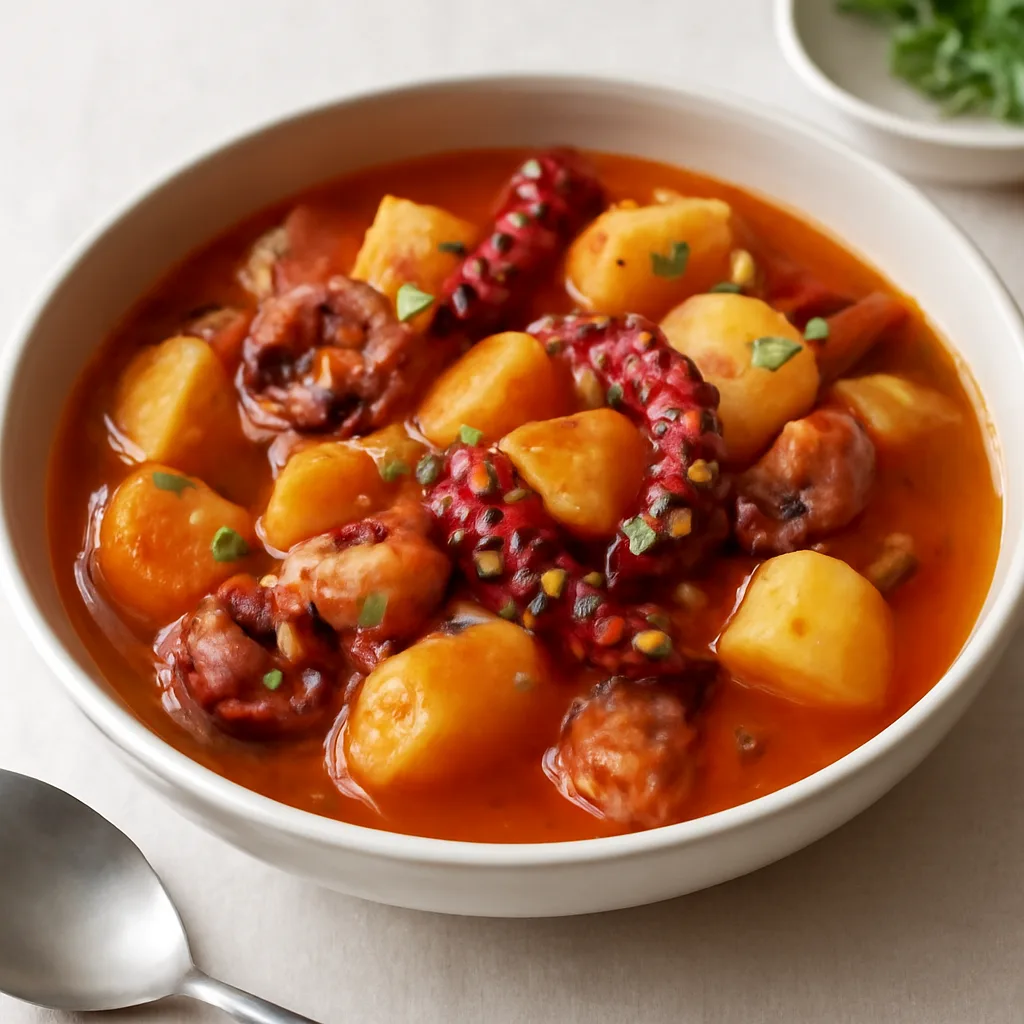
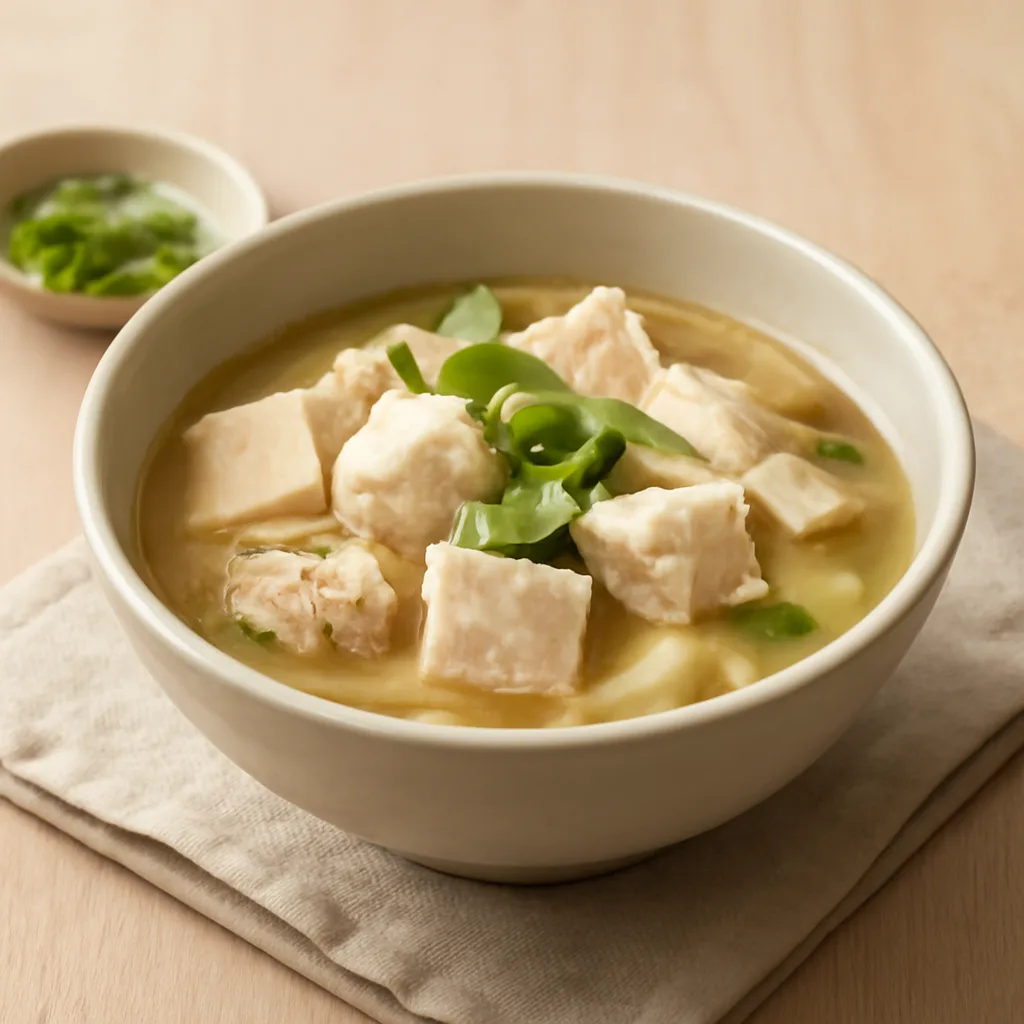
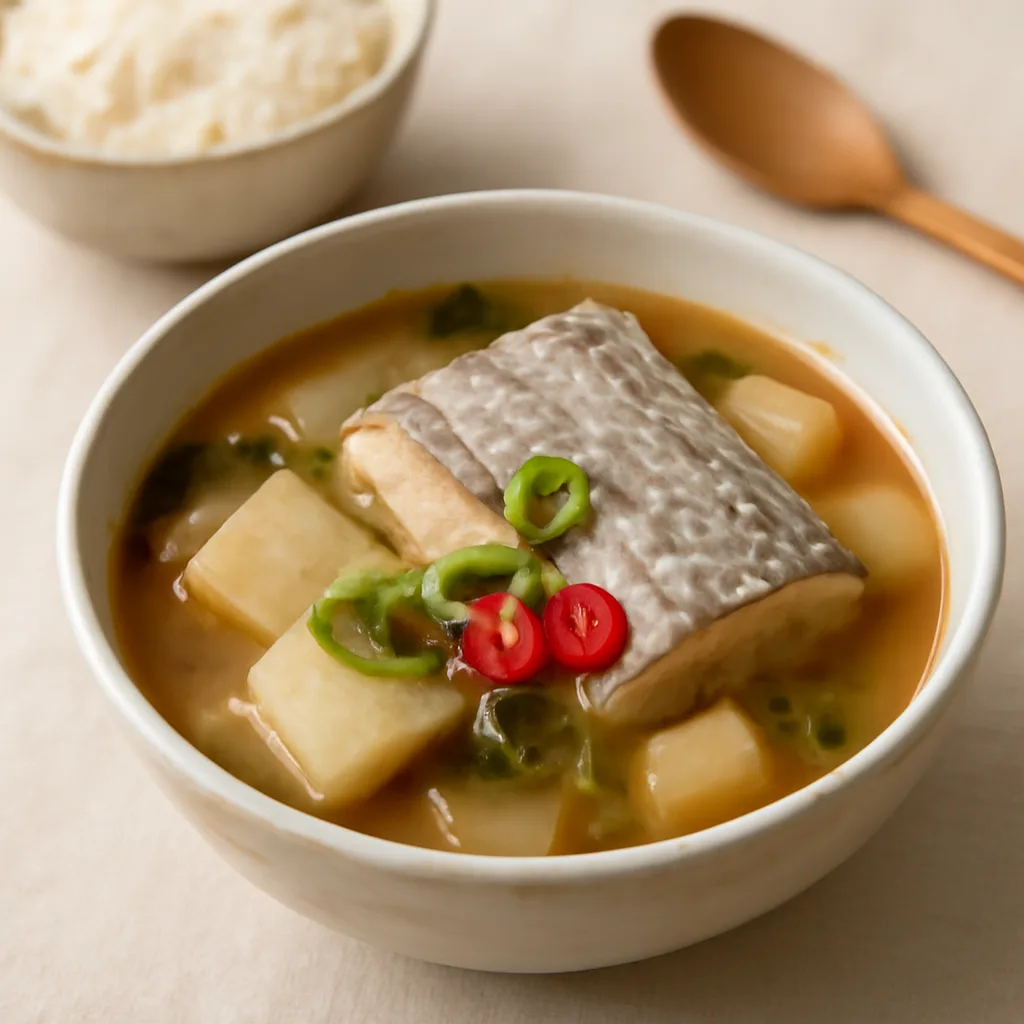
- In soups, stews, and hot pots, water forms the base by taking on flavors from aromatics, meat, seafood, and vegetables. If you want to keep the ingredients' flavors strong, start with a conservative amount of water and only add more after boiling as needed.
- Add water to doughs of flour or starch, or to sauces and seasonings to adjust flow and thickness. In particular, starch should be dissolved in cold water first to prevent lumps; adding it to hot liquid can cause lumps to form from the surface inward.
- For blanching, use plenty of boiling water to heat ingredients quickly. After blanching, residual heat can continue to affect color and texture, so for vegetables that need crispness, control moisture removal or chill as appropriate.
نصائح التحضير
- Rather than pouring all the water for broth or sauce at once, reserve some to adjust thickness easily. If the liquid becomes too thick after boiling, add the reserved water gradually; if too thin, remove the lid to evaporate moisture for a more natural season. Mix starches, flour, and powdered seasonings with a small amount of cold water first to make a smooth slurry. If there are granules, press them with a sieve or spoon to dissolve, and sprinkle in while stirring during boiling to reduce lumps.
- When washing vegetables before frying, pat them dry. If moisture remains on the surface, it can cause splattering rather than sizzling, and the fried surface may become softer.
- When cooking dry noodles or grains, consider moisture absorption and evaporation during cooking. If the bottom starts to appear or the ingredients don’t submerge evenly, add hot water to reduce temperature loss.
خصائص عند الطهي
- When the water boils, bubbles and convection evenly transfer heat to the ingredients. For ingredients you want to cook gently, reduce to a low simmer where the edges move softly rather than large vigorous bubbles to prevent disintegration.
تركيبات مناسبة
- Water forms the base for broths with kombu, mushrooms, bones/meat, seafood, and aromatics like scallions, garlic, and onions. If you want to preserve distinct aromas, taste and adjust after boiling rather than overloading with strong spices from the start.
نقاط يجب مراعاتها عند الاستبدال
- Which substitute to use depends on whether the role of clear water is merely moisture supply or a flavor base for broth. For broths or sauces needing more depth, you can use stock or vegetable stock, but this will also add saltiness and aroma, so start with less seasoning. For neutral flavors and precise thickness needed in doughs or starch mixtures, substituting water with other liquids can change the outcome. Milk, coconut milk, or fruit juice can affect flavor as well as protein, fat, and sugar content, so they may not be directly interchangeable by the same amount. In stir-frying, you can use a small amount of stock or wine instead of water, but in steps aiming for a crispy texture, any liquid can hinder by generating steam. In that case, first achieve thorough browning, then add liquid at the end to loosen the pan flavors.
المكونات التي تستخدم غالبًا مع الأطعمة الفعلية
يتم تجميعها بناءً على عدد مرات ظهور المكونات الرئيسية للأطعمة العامة المسجلة في CookPagoda.
الأطعمة التي تحتوي على هذه المكونات
نقدم لك الأطعمة التي تحتوي على هذه المكونات كمواد رئيسية مرتبة حسب عدد المشاهدات.